Patellar Tendon Tear

The only treatment proven to heal patellar tendon tear or injuries. A definitive solution that generates new tissue in record time We heal injuries previously considered incurable

+ 0

Doses administered in tendon

+ 0

Doses administered in the patellar tendon

0

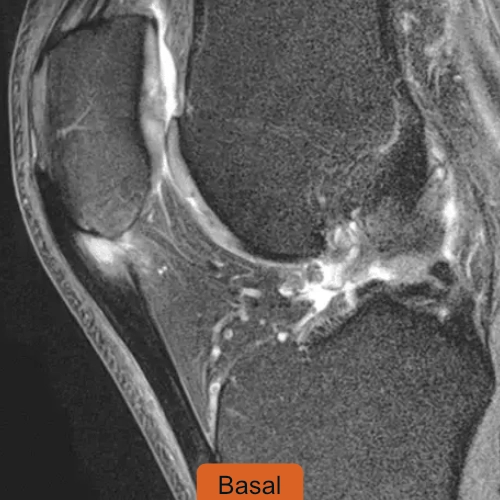
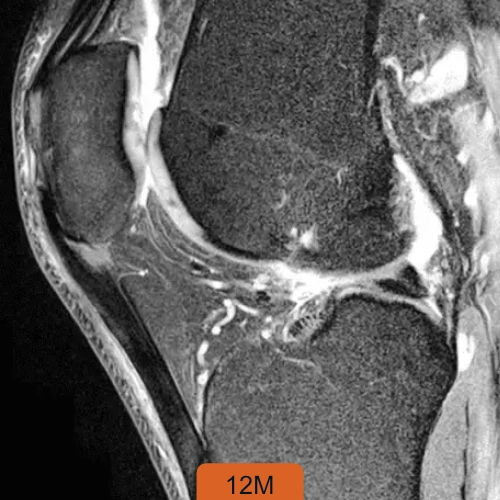
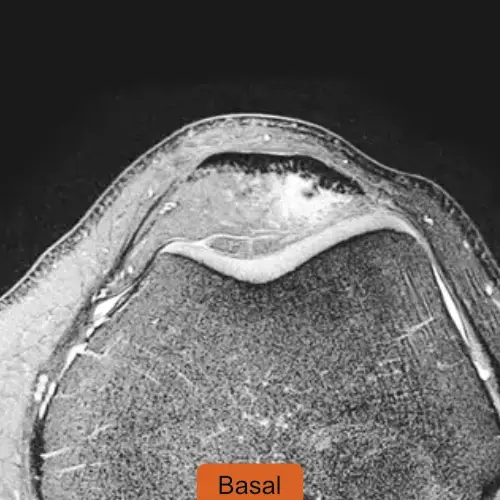
Clinical trial in patellar tendon

Tendon Rotuliano Basal1
Tendon Rotuliano 12M

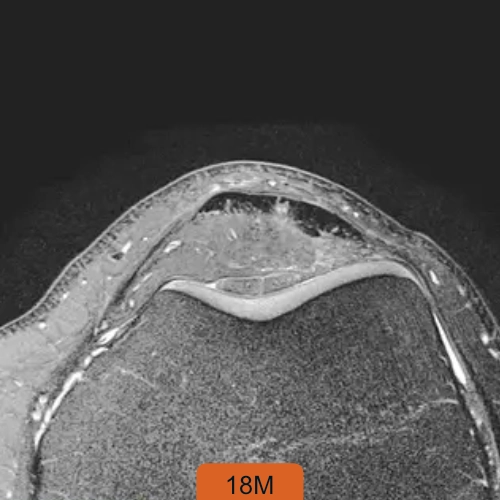
Patellar Tendon Tear and Regeneration with Cultured Stem Cells

Section_1-2.webp

The Patellar Tendon

The patellar tendon is a fundamental structure in the anatomy of the knee. It connects the kneecap (or patella) to the tibia, enabling leg extension and playing a key role in activities such as walking, running, jumping, and climbing stairs.

Thanks to this tendon, the thigh muscles can transmit force to the leg, making coordinated and stable knee movement possible.

Challenges in the treatment of Patellar Tendon Tears

Injuries to the patellar tendon, such as tendinitis, partial tears, or complete ruptures, are relatively common, particularly among athletes or individuals engaged in intense physical activities. 
 
These injuries can arise from repetitive overloading, direct trauma, or degenerative conditions, and they often present with sharp pain, swelling, and difficulty extending the knee.

 

Treating patellar tendon injuries poses several challenges. Below are some of the most significant:

  • Anatomical Complexity: The position and function of the patellar tendon make it a vital component for mobility, but also challenging to treat without impacting the overall function of the knee.

  • Risk of recurrence: In the case of usual treatments, even after a successful healing, there is a risk of the injury reoccurring, particularly if the tendon has not fully healed or if rehabilitation has not been adequate.

  • Prolonged recovery: Tendon tissue regeneration is a slow process with traditional treatments. The lack of sufficient blood supply to the area and the high mechanical demands on the tendon can extend recovery time.

  • Surgical interventions: In severe cases, such as complete ruptures, surgery may be required. However, recovery is lengthy and can involve complications such as joint stiffness, infections, and failed repairs.

  • Intensive rehabilitation: Rehabilitation is crucial, but it can be intensive and require significant commitment from the patient. Regaining full strength, flexibility, and function of the tendon takes time and dedication.
xerostomia 2

How to determine if I have a patellar tendon tear

  • Inability to straighten the knee: One of the most obvious signs is the inability to fully extend the leg. This occurs because the torn tendon can no longer transmit the necessary force from the thigh muscles to the leg.

  • Sensation of a “pop” or “snap”: Many people report feeling or hearing a “pop” or a snapping sensation at the time of injury. This can be a sign that the tendon has partially or completely torn.

  • Patella Displacement: In some cases, a complete rupture of the patellar tendon can cause the kneecap to shift upwards or downwards, away from its usual position, which may be visible.

  • Leg Weakness: The affected leg may feel weak and unstable, making normal movement difficult.
Cel1.webp
Tendon Rotuliano Basal
Tendon Rotuliano 18M

Why our exclusive treatment is one-of-a-kind?

Not all stem cell treatments are equal; many of them barely contain a handful of stem cells, at best..

Our exclusive therapy of cultivated stem cells is the only one in the field of Regenerative Medicine that has scientifically demonstrated its effectiveness and safety. Only ITRT applies this therapy, which is the result of over 20 years of research.

Solo ITRT aplica esta terapia que es el fruto de más de 20 años de investigación.Differences of our exclusive therapy from the rest of the mislabeled ‘stem cell’ treatment:

Dosage

We have scientifically demonstrated in clinical trial that only by using millions of units can the regeneration process be activated. Our therapy applies millions of stem cells, certified by our laboratory.

Clinical
trials

Over more than 20 years, we have developed or taken part in 23 trials, 14 of them authorized clinical trials in patients.

Tipology

There are many types of stem cells, but we have demonstrated that only 3 of them are effective when applied to tissues. In the laboratory, we select the correct types of stem cells to ensure regeneration.

Cellular
culturing

Once the appropriate stem cells are selected, the very small quantity obtained through isolation undergoes an activation and culturing process, causing them to begin multiplying until reaching millions of units.

Cells from
donors

We have shown in a clinical trial that we can use cells from other donors. This is very important for elderly patients, those with urgent needs or serious illnesses.

Tell us briefly
about your case

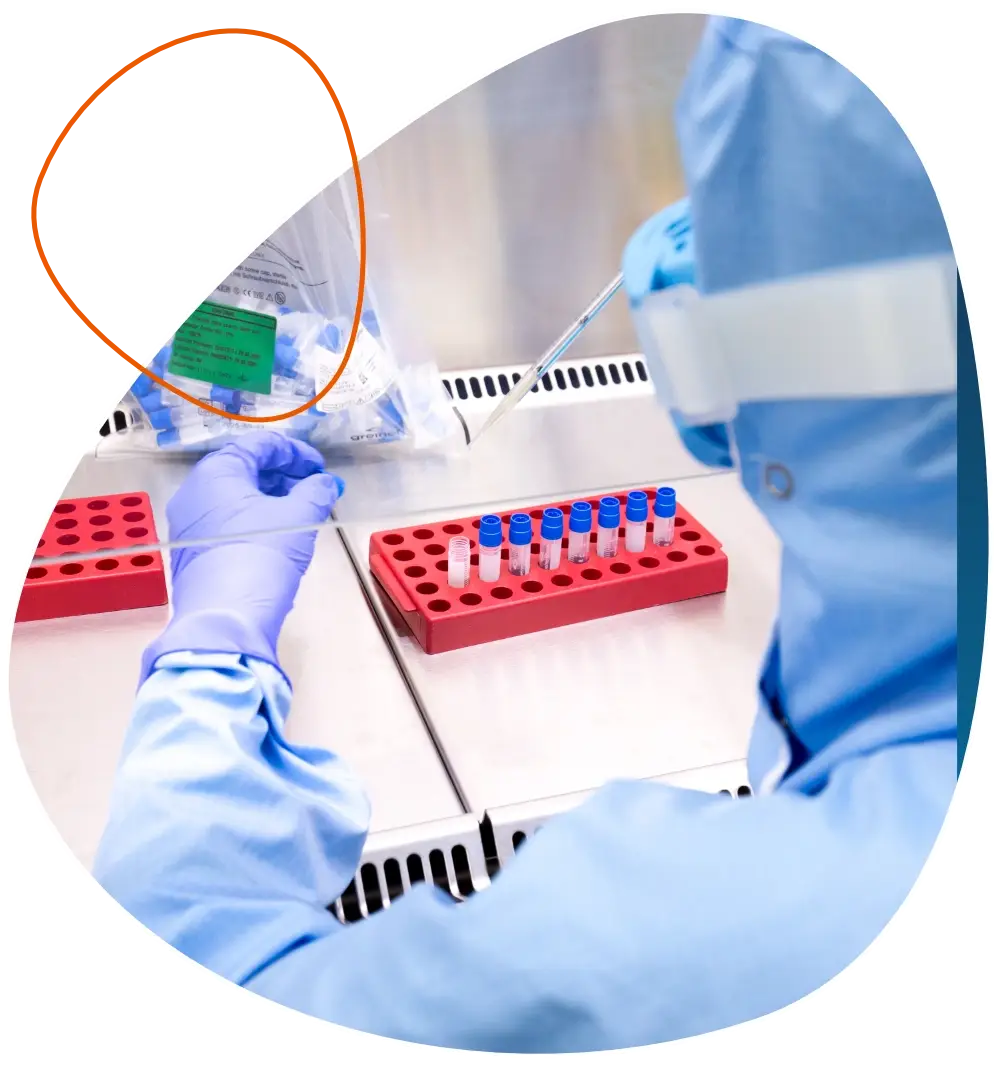
Process of extraction
and cultivation of

MESENCHYMAL STEM CELLS

1.EXTRACTION

Info 1

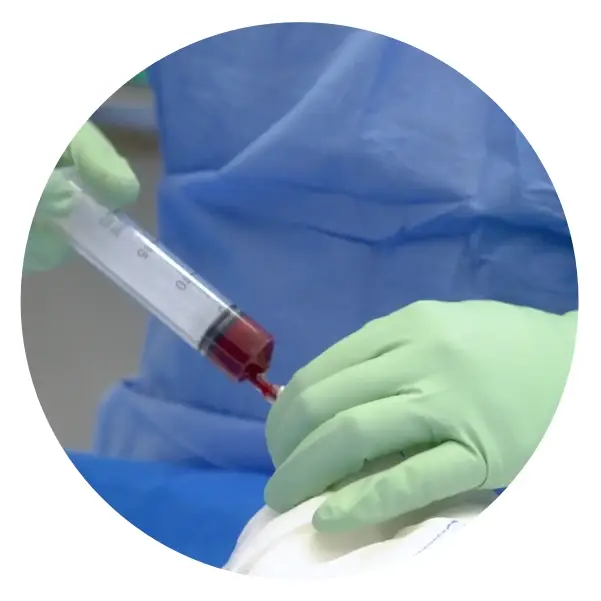
A small puncture is performed in the iliac crest of the hip to extract mesenchymal stem cells from the bone marrow.

The process is brief, painless, and does not require hospital admission. The cells are sent to the laboratory to be selected and cultured.

2. CULTIVATION

Info 2

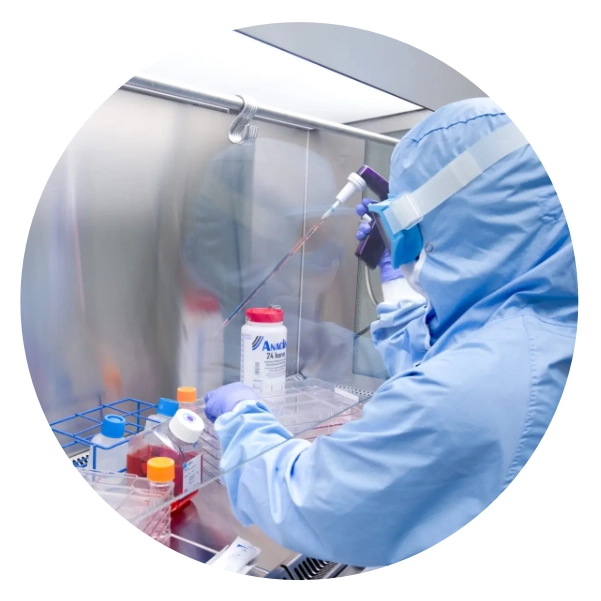
The few units of Mesenchymal Stem Cells that are isolated are cultured to multiply them into millions of units. This process can take several weeks.

A vial with millions of Cultured Mesenchymal Stem cells (CMSCs) is prepared.

The rest are frozen to preserve them for future needs.

3. IMPLANTATION

Info 3

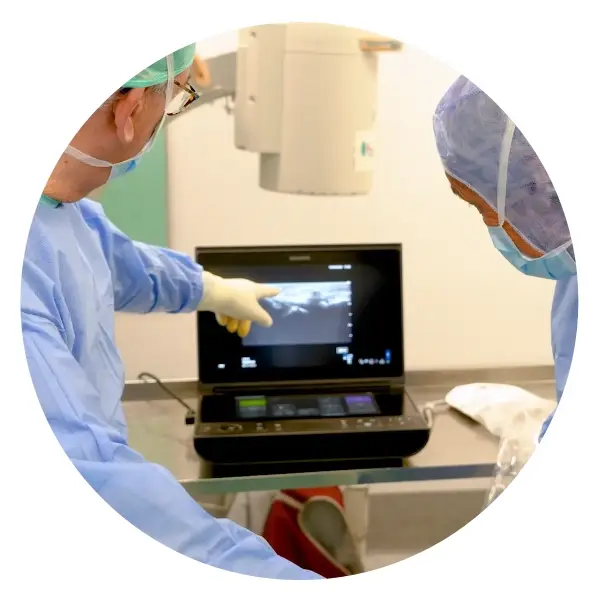
The CMSCs are implanted into the patient’s joint or tendon where the lesion is located.

The treatments have shown unprecedented results in tissue and tendon regeneration.

Scientific Endorsement

Tell us briefly
about your case