We regenerate joint cartilage by creating new tissue
Our treatment makes prosthesis unnecessary as it regenerates tissues totally naturally
No one else worldwide can offer such a definitive solution
+0
Doses administered in osteoarthritis
0
Clinical trials in osteoarthritis
Osteoarthritis treatment
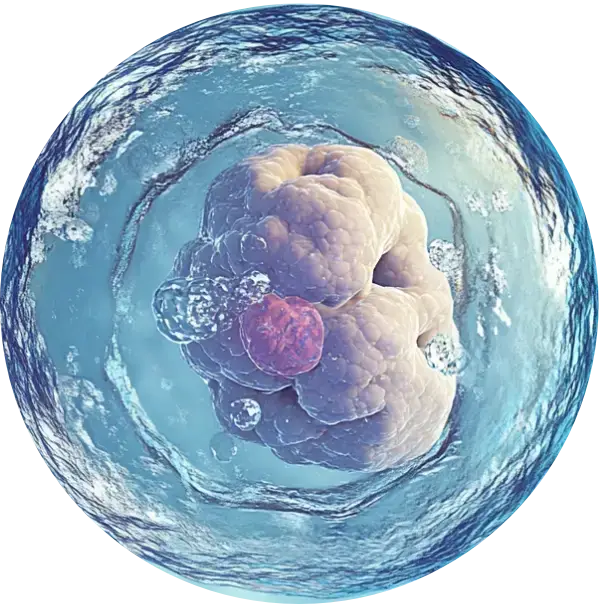
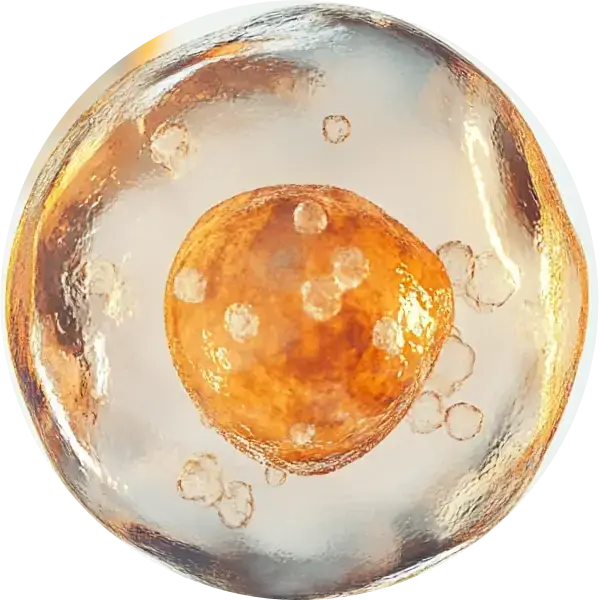
Our therapy is based on CULTURED STEM CELLS,
because the scientific evidence has shown that only by multiplying them
to reach millions of units, regeneration can be achieved
Osteoarthritis treatment and regeneration with Cultured Stem Cells
What is
Osteoarthritis?
Osteoarthritis is a rheumatic disease characterized by progressive degeneration of joint cartilage. This causes different degrees of swelling, pain and deformation. Everyone eventually suffers from osteoarthritis, as a result of aging, wear and tear mean that cartilage stops acting as a cushion between bones and, therefore, pain appears.
There are two stages to the disease: in the first there is no pain (silent), while in the second, the patient feels pain and swelling and deterioration of the cartilage appears.
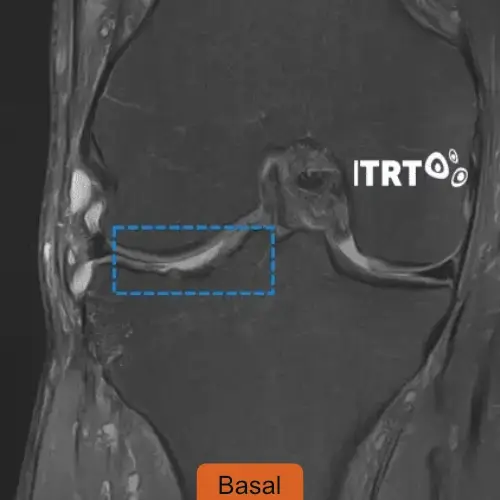
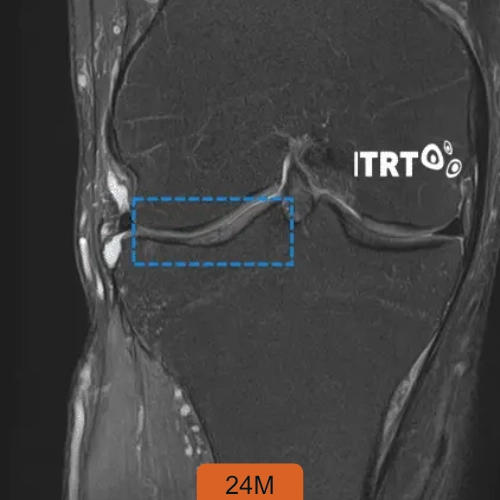
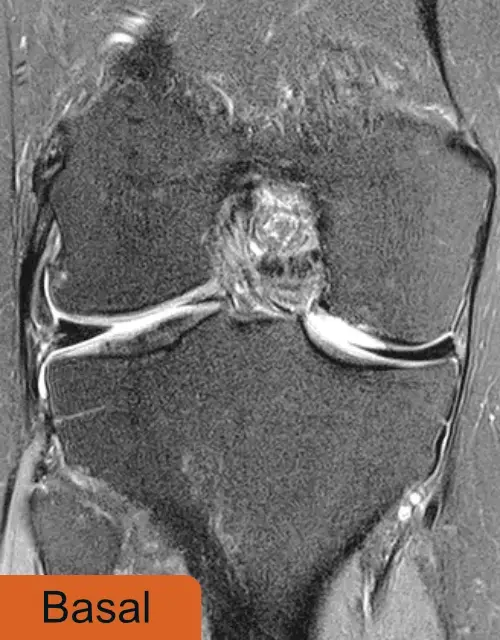
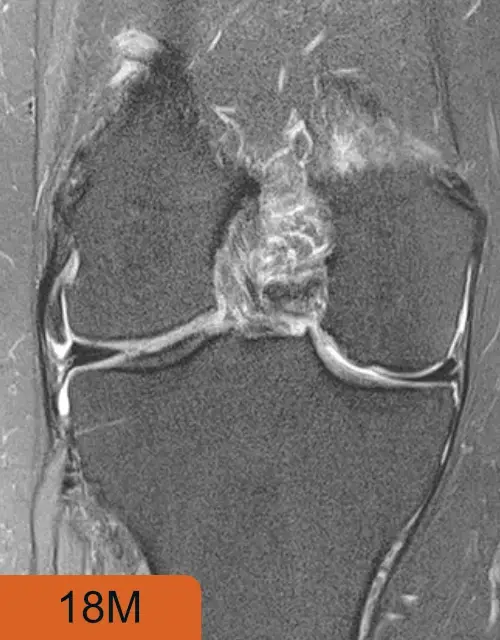
Our treatment with Cultured Stem Cells regenerates cartilage with unprecedented results. New tissue is created where there was none before and therefore the injury disappears.
Not all stem cell treatments are equal; many of them barely contain a handful of stem cells, at best..
Our exclusive therapy of cultivated stem cells is the only one in the field of Regenerative Medicine that has scientifically demonstrated its effectiveness and safety. Only ITRT applies this therapy, which is the result of over 20 years of research.
Differences of our exclusive therapy from the rest of the mislabeled ‘stem cell’ treatment:
Dosage
We have scientifically demonstrated in clinical trial that only by using millions of units can the regeneration process be activated. Our therapy applies millions of stem cells, certified by our laboratory.
Clinical trials
Over more than 20 years, we have developed or taken part in 23 trials, 14 of them authorized clinical trials in patients.
Tipology
There are many types of stem cells, but we have demonstrated that only 3 of them are effective when applied to tissues. In the laboratory, we select the correct types of stem cells to ensure regeneration.
Cellular culturing
Once the appropriate stem cells are selected, the very small quantity obtained through isolation undergoes an activation and culturing process, causing them to begin multiplying until reaching millions of units.
Cells from donors
We have shown in a clinical trial that we can use cells from other donors. This is very important for elderly patients, those with urgent needs or serious illnesses.
"I couldn't take it anymore. I used to think that it was much better to cut my foot off and have a prosthesis"
Xevi Masip is a patient who came to ITRT with an injury to the right ankle joint that made him unable to walk, to the point of not even being able to go down the stairs of his house.
After implanting a single dose of 40 million of Cultured Stem Cells, he has recovered both tissues and lives a regular life, as if the injury had never existed.
The knee is one of the joints most commonly affected by osteoarthritis, since it bears the body’s full weight when walking, running, or climbing stairs.
At ITRT, we have administered more than 1,700 doses in this joint, with unprecedented results in both older adults and professional athletes.
"It's been 8 years since I don't know what it's like to suffer from the knees"
Ramon Ortiz was forced to drive a long time because of his work, but he could not stand more than 15 minutes at the wheel because of the pain in his knees due to osteoarthritis. After the treatment with Cultured Stem Cells, the pain disappeared almost immediately and the cartilage of his knees was completely regenerated.
Today it is 8 years since the implantation and Ramon confesses “I left ITRT almost without pain, after 3 days it disappeared completely and 8 years ago I do not know what it is to suffer from the knees“.
Process of extraction and cultivation of
MESENCHYMAL
STEM CELLS
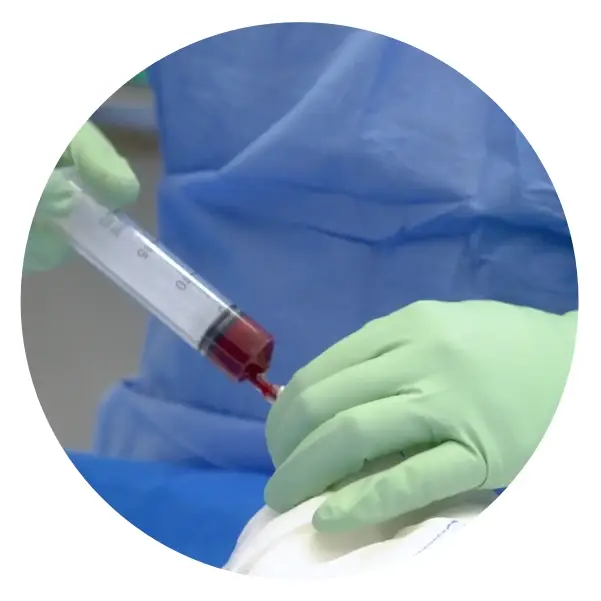
1.EXTRACTION
A small puncture is performed in the iliac crest of the hip to extract mesenchymal stem cells from the bone marrow.
The process is brief, painless, and does not require hospital admission. The cells are sent to the laboratory to be selected and cultured.
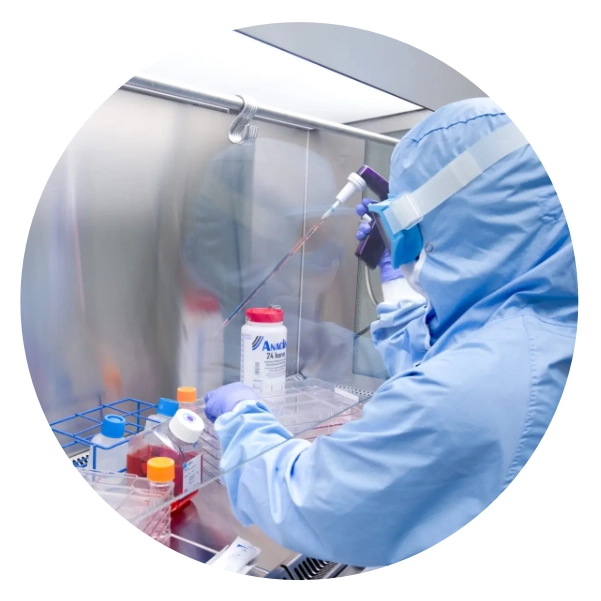
2. CULTIVATION
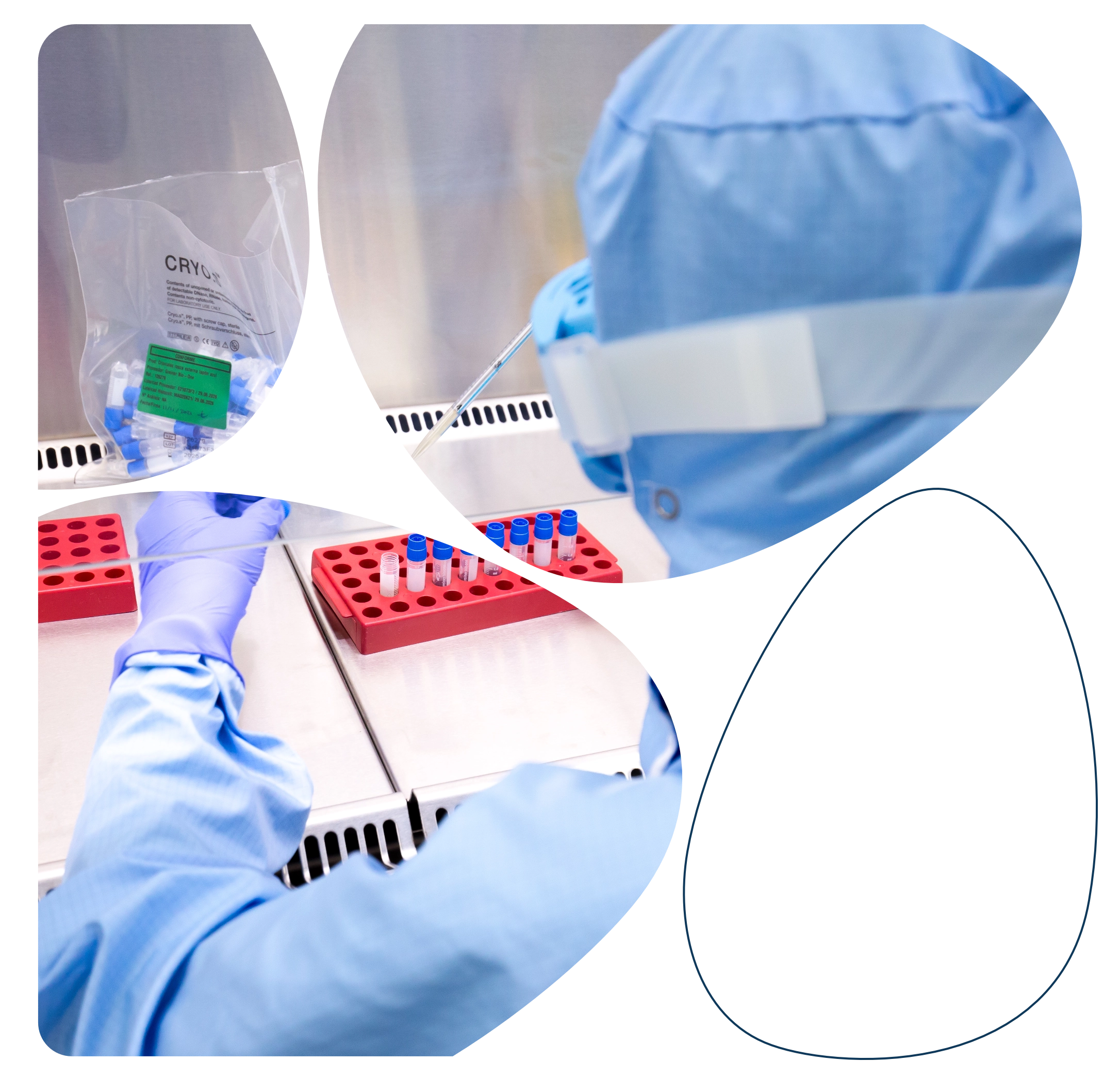
The few units of Mesenchymal Stem Cells that are isolated are cultured to multiply them into millions of units. This process can take several weeks.
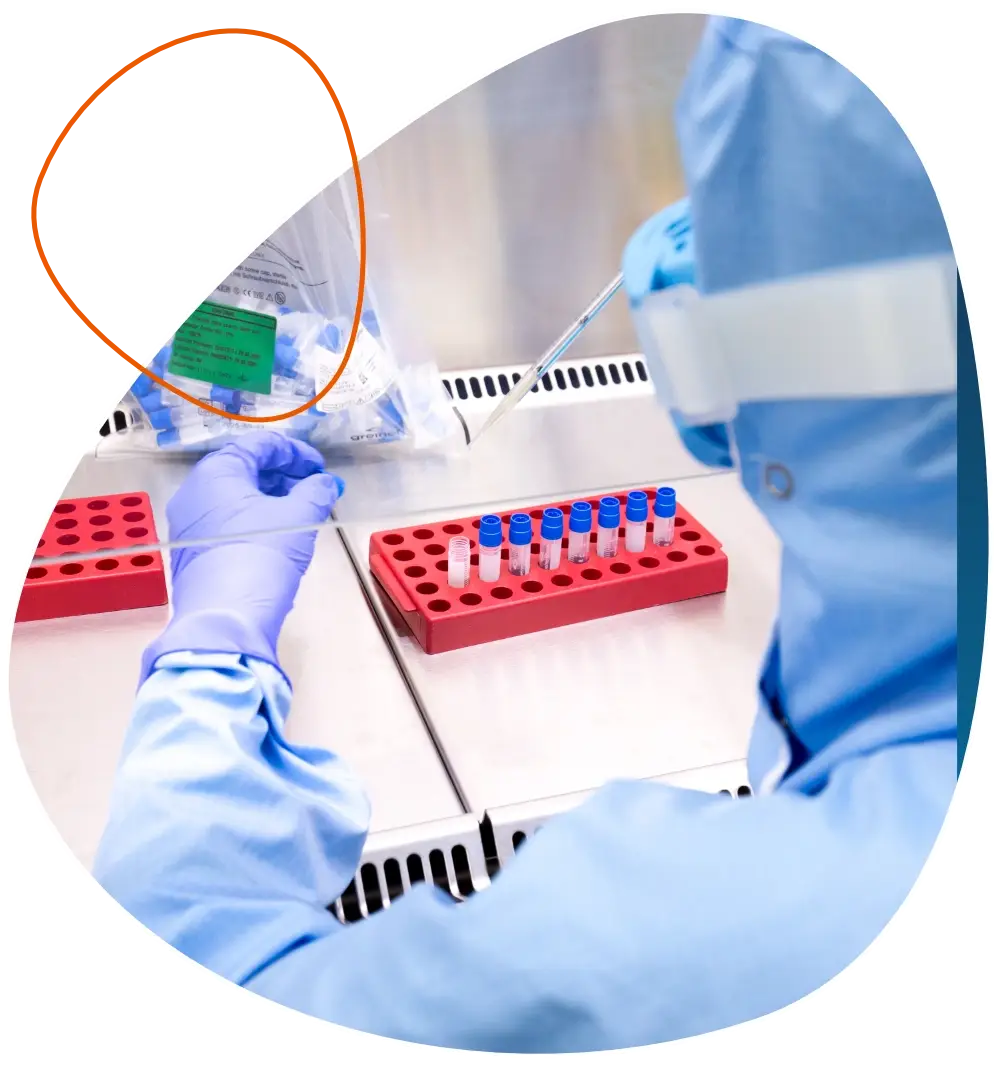
A vial with millions of Cultured Mesenchymal Stem cells (CMSCs) is prepared.
The rest are frozen to preserve them for future needs.
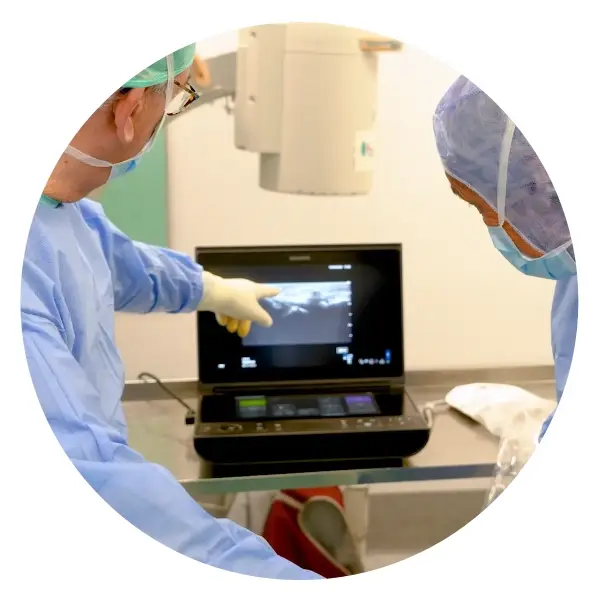
3. IMPLANTATION
The CMSCs are implanted into the patient’s joint or tendon where the lesion is located.
The treatments have shown unprecedented results in tissue and tendon regeneration.