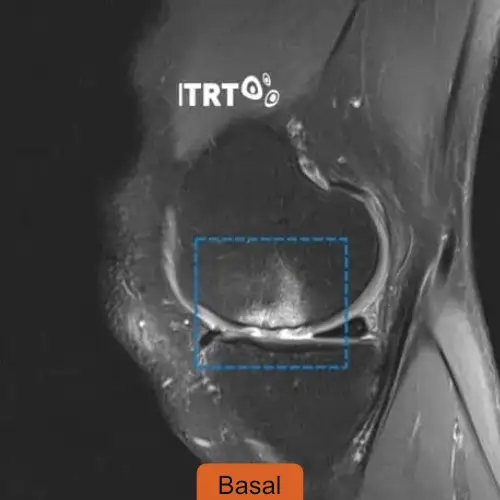
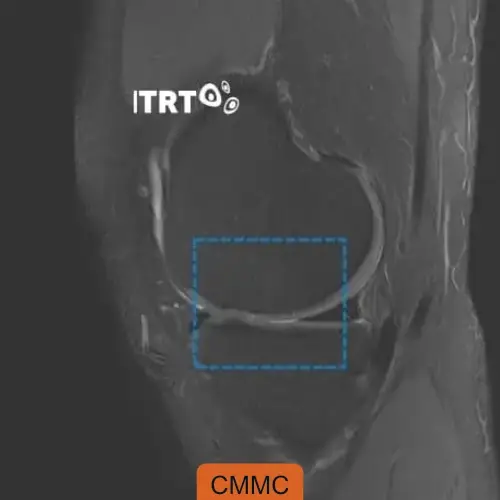
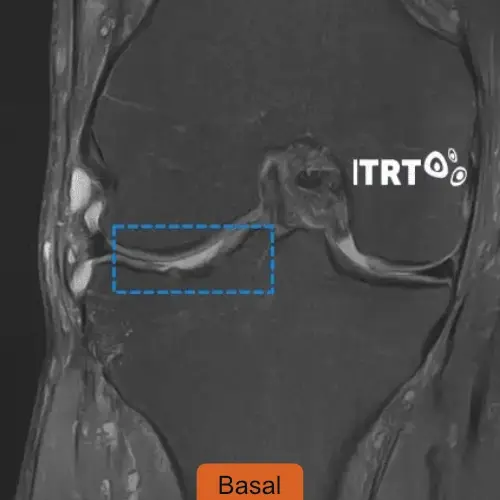
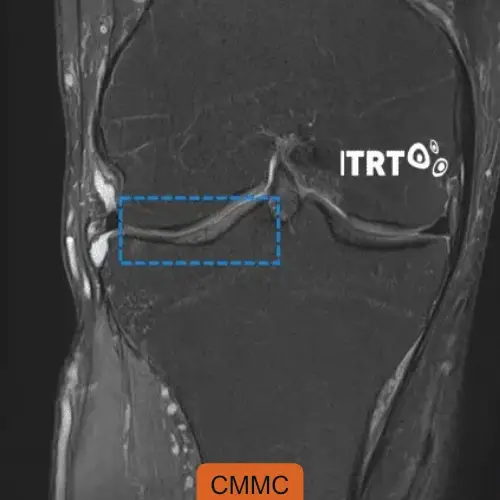
We create cartilage where there was none before, with unprecedented results worldwide
We make prosthesis unnecessary by creating real and natural tissue in the knee
+0
Doses administered in the knee
0
Clinical trials in knee osteoarthritis
Knee Osteoarthritis
What is
Knee Osteoarthritis?
Osteoarthritis is a disease that can affect any joint in the body and cause different degrees of swelling, pain, and deformation in several degrees. Articular cartilage degeneration is one of the major consequences.
In many cases it advances slowly and either does not require treatment or can be controlled.
However, it sometimes causes permanent pain and significant walking difficulty.
In an advanced state, a prosthesis may be required.
The effects of osteoarthritis are very diverse and appear gradually and over time.
The most frequent symptoms are joint pain, limited movement, cracking and, in some cases, joint effusion. Some people may also experience joint stiffness and deformity.
What patients with Osteoarthritis are usually most concerned about is pain, albeit not always permanent. Initially, pain is triggered when effort is made with the joint. This usually stops with rest. Later on, in more advanced stages of the disease, worsening of Osteoarthritis will cause constant pain, regardless of rest.
Relief of pain and easing of difficulty when walkin
Immediate
after treatment
Improvement in knee functionality
1 to 3 months
after treatment
The regenerative effect continues
For years
after treatment
Why our exclusive treatment is one-of-a-kind?
Not all stem cell treatments are equal; many of them barely contain a handful of stem cells, at best..
Our exclusive therapy of cultivated stem cells is the only one in the field of Regenerative Medicine that has scientifically demonstrated its effectiveness and safety. Only ITRT applies this therapy, which is the result of over 20 years of research.
Solo ITRT aplica esta terapia que es el fruto de más de 20 años de investigación.Differences of our exclusive therapy from the rest of the mislabeled ‘stem cell’ treatment:
Dosage
We have scientifically demonstrated in clinical trial that only by using millions of units can the regeneration process be activated. Our therapy applies millions of stem cells, certified by our laboratory.
Clinical trials
Over more than 20 years, we have developed or taken part in 23 trials, 14 of them authorized clinical trials in patients.
Tipology
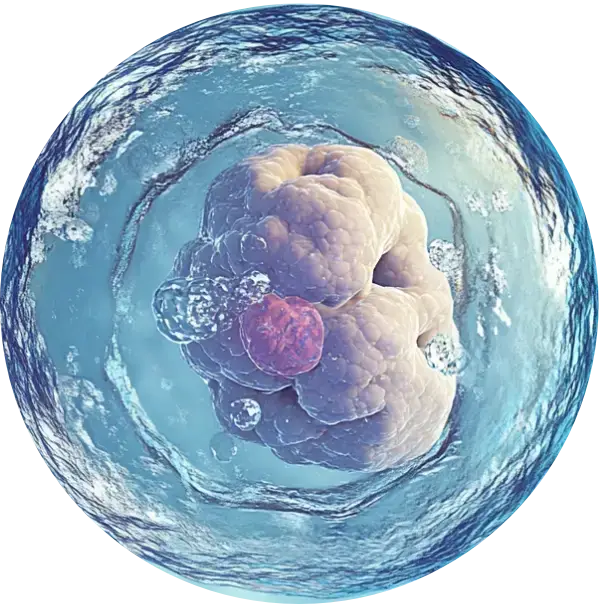
There are many types of stem cells, but we have demonstrated that only 3 of them are effective when applied to tissues. In the laboratory, we select the correct types of stem cells to ensure regeneration.
Cellular culturing
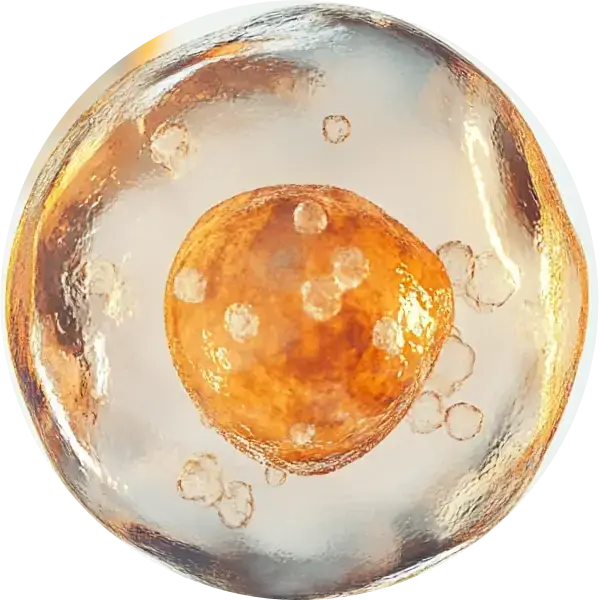
Once the appropriate stem cells are selected, the very small quantity obtained through isolation undergoes an activation and culturing process, causing them to begin multiplying until reaching millions of units.
Cells from donors
We have shown in a clinical trial that we can use cells from other donors. This is very important for elderly patients, those with urgent needs or serious illnesses.
"In 6 months I have returned to competition, while friends with milder injuries have needed 2 years"
Enric is a semi-professional athlete who suffered a fall during a descent and seriously injured the meniscus, ACL, LCL and cartilage of the knee.
After implanting 40 Million Cultured Stem Cells, his recovery has been fulminant and, in a few months, he has return to competition again.
"I was about to retire, but thanks to the Cultured Stem Cells, I have been able to play Rugby again"
Nicolás Sevilla, a professional rugby player from the UE Santboiana, injured his knee and spent more than a year in rehab and trying several treatments that never worked.
When he was about to give up, he took his last chance coming to ITRT to be implanted with 40 Million Cultured Stem Cells in his knee cartilage.
Shortly after, the pain disappeared and his cartilage has regenerated to the point that he began the regular training routine and two months later he has returned to play his first rugby match, as if the injury had never happened.
"The treatment is easy, simple. I feel like I haven't had any injury"
Elena is a patient who came to ITRT with an injury on the cartilage of her left knee that made her unable to walk, especially down.
After implanting a single dose of 40 million Cultured Stem Cells, he has climbed back 3,000 meters peaks again and regained his life, as if nothing had happened.
Process of extraction and cultivation of
MESENCHYMAL
STEM CELLS
1.EXTRACTION
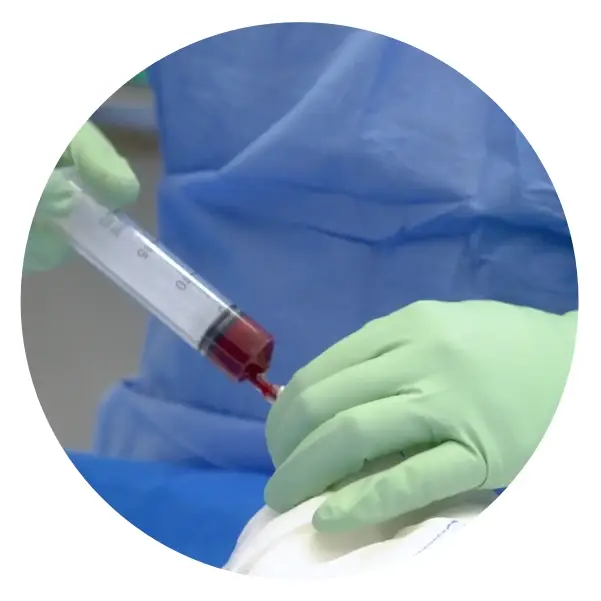
A small puncture is performed in the iliac crest of the hip to extract mesenchymal stem cells from the bone marrow.
The process is brief, painless, and does not require hospital admission. The cells are sent to the laboratory to be selected and cultured.
2. CULTIVO
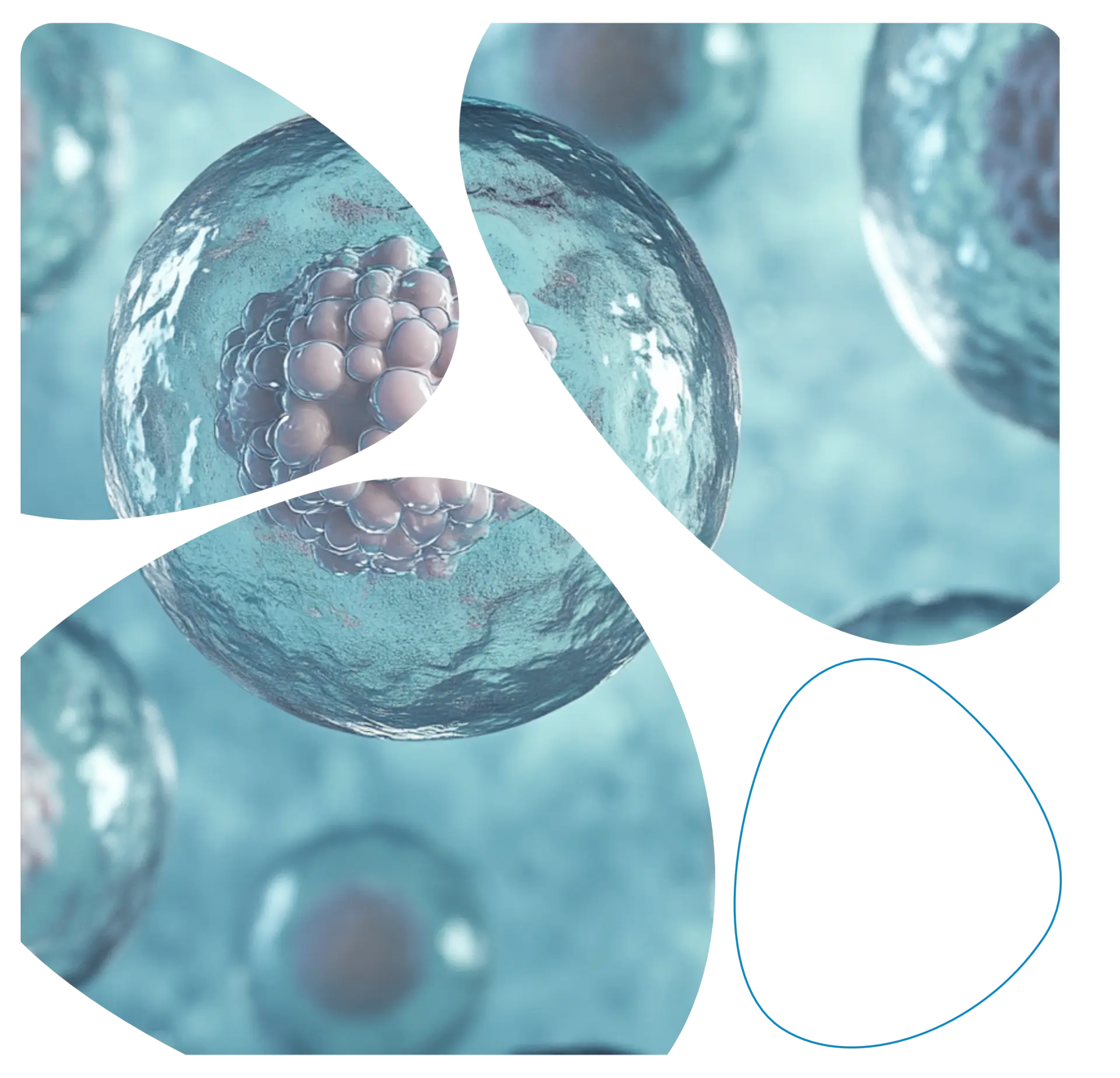
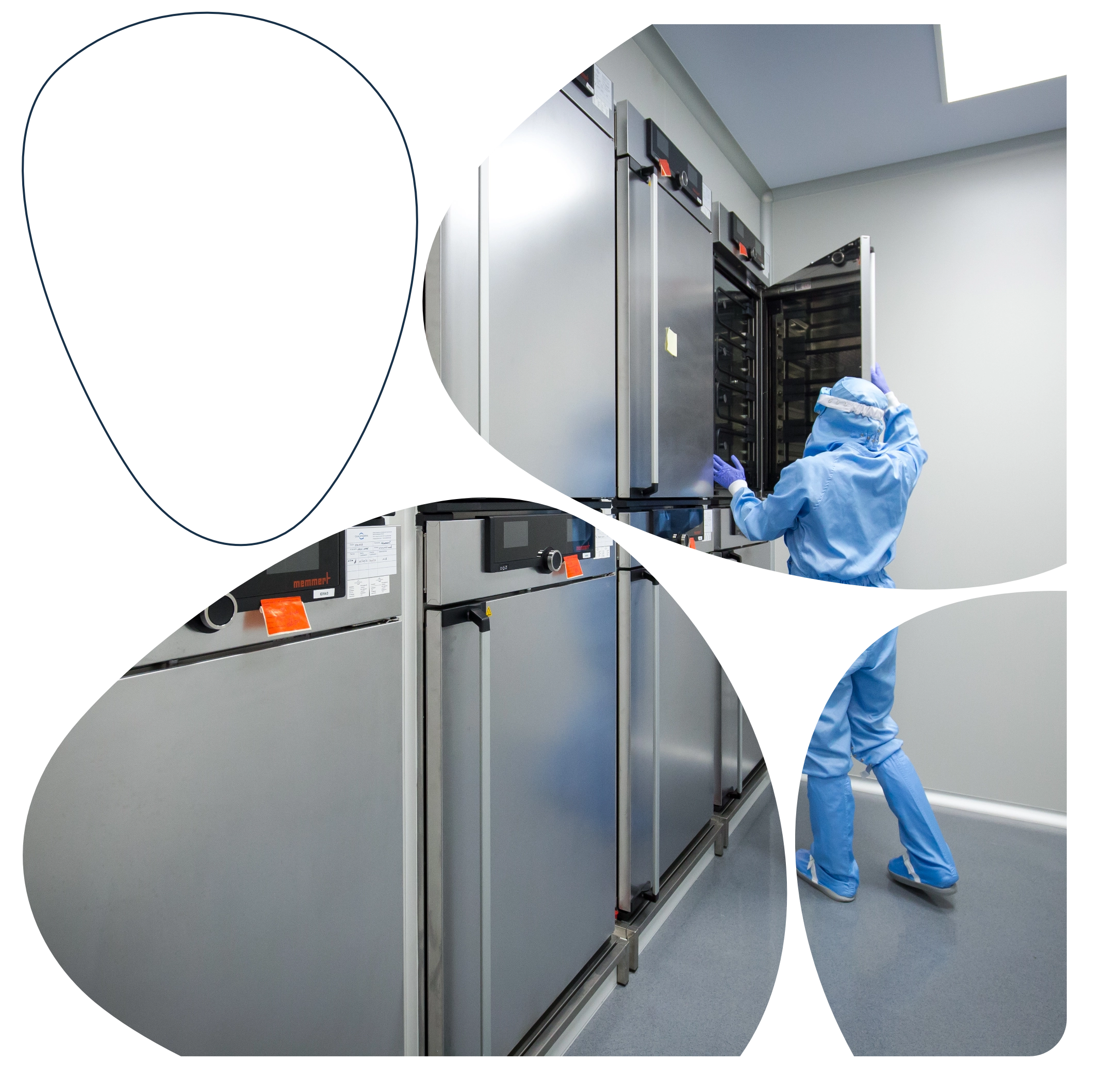
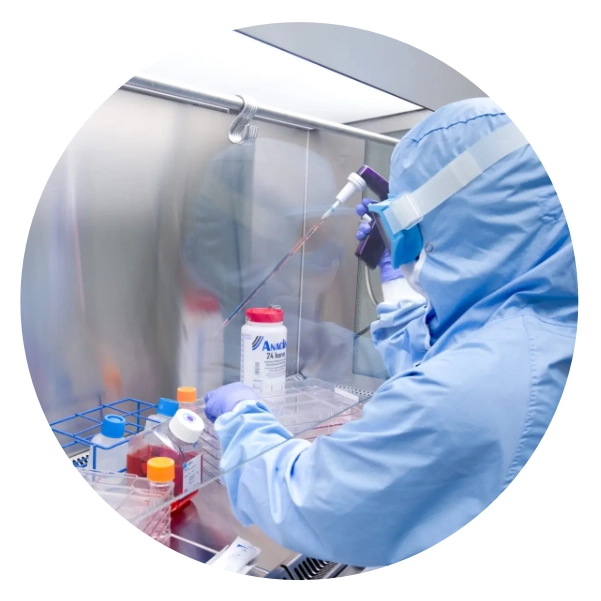
The few units of Mesenchymal Stem Cells that are isolated are cultured to multiply them into millions of units. This process can take several weeks.
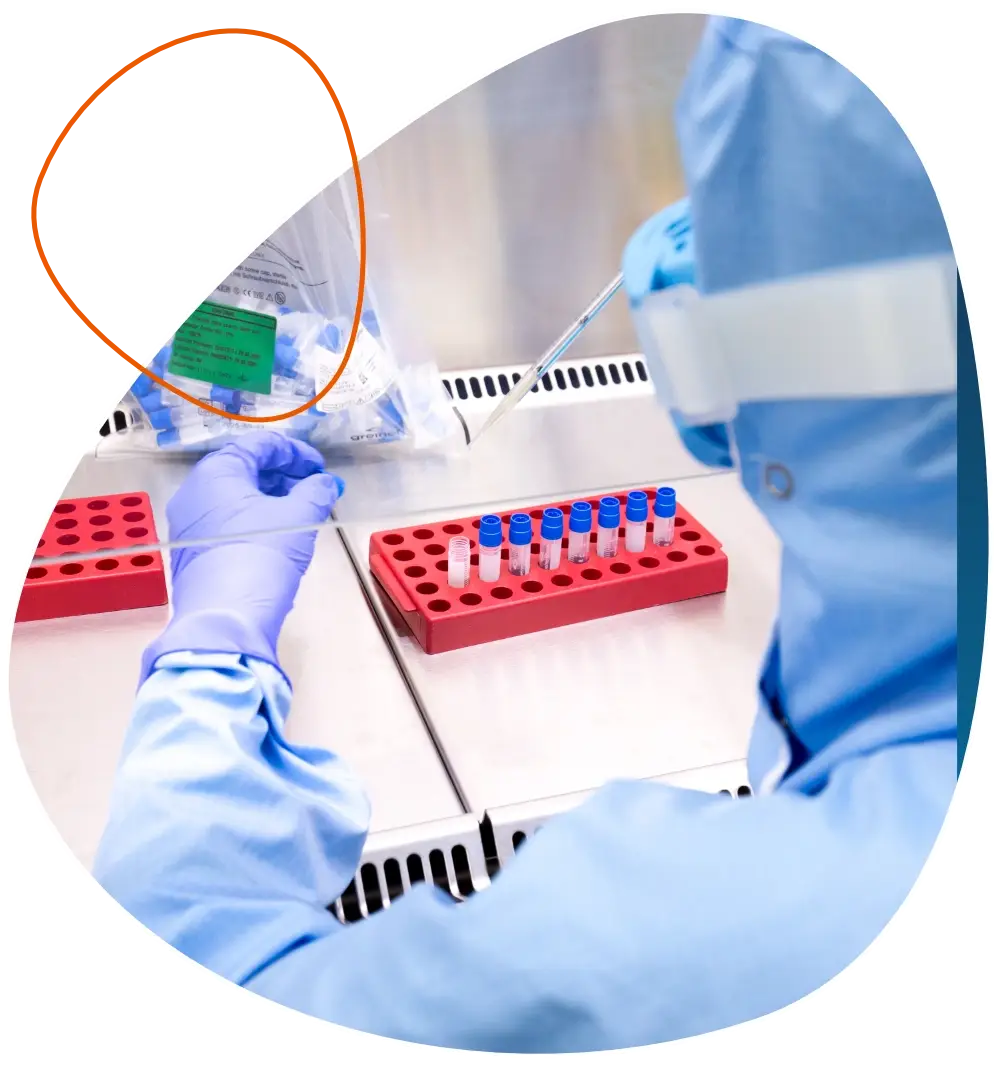
A vial with millions of Cultured Mesenchymal Stem cells (CMSCs) is prepared.
The rest are frozen to preserve them for future needs.
3. IMPLANTATION
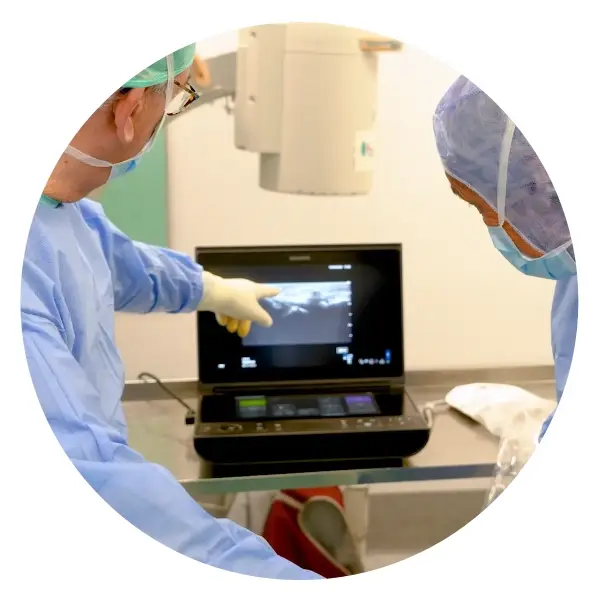
The CMSCs are implanted into the patient’s joint or tendon where the lesion is located.
The treatments have shown unprecedented results in tissue and tendon regeneration.