Radiation therapy plays a key role in the treatment of many types of oral cancer and can be applied either alone or in combination with chemotherapy or surgery.
It can, however, cause alterations in the salivary glands, which are highly sensitive to radiation.
In the long term, it can eventually destroy the tissue and the ability to salivate, which causes a reduction in or even the lack of salivary flow and ability to taste food.
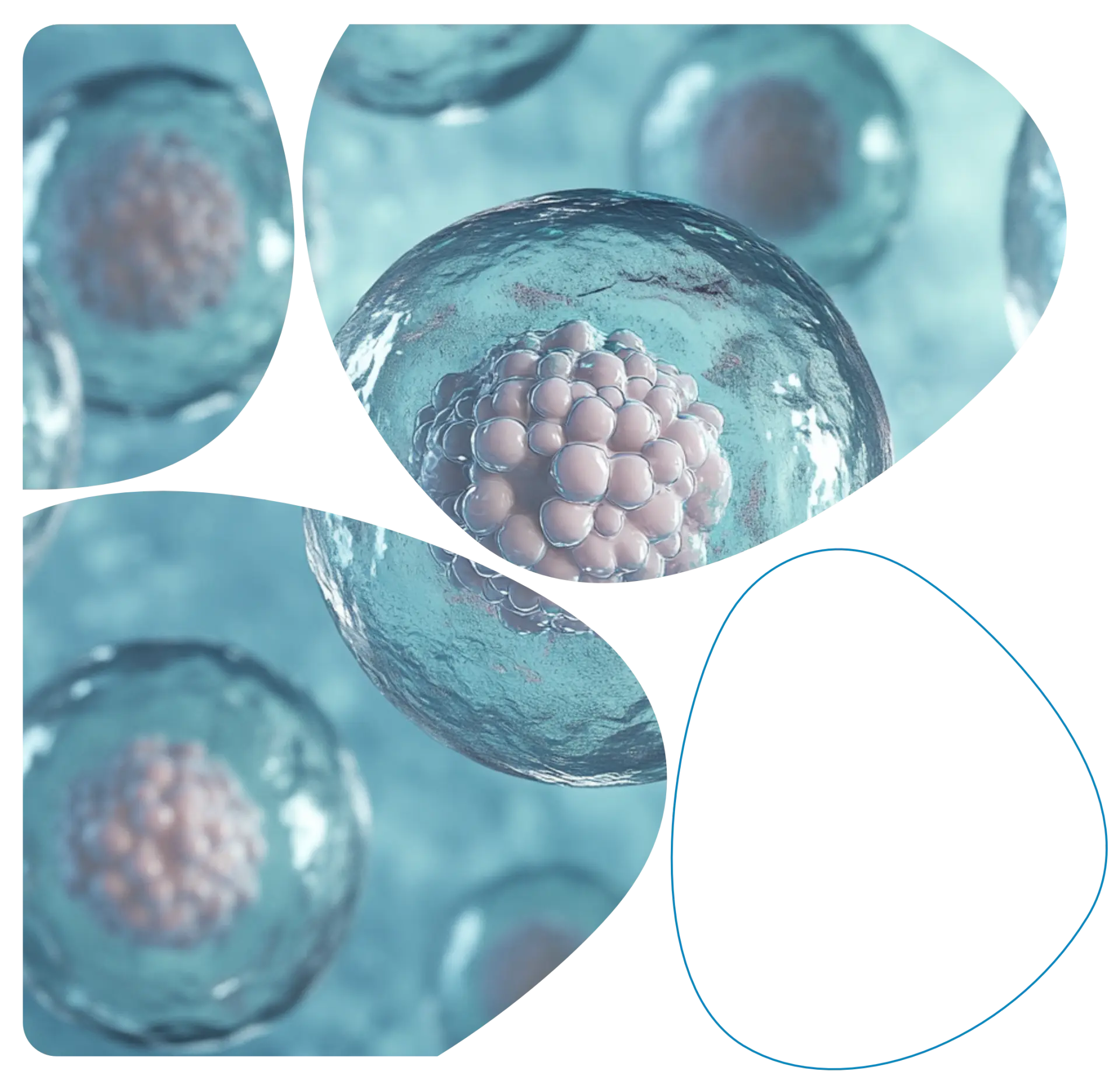
Not all stem cell treatments are equal; many of them barely contain a handful of stem cells, at best..
Our exclusive therapy of cultivated stem cells is the only one in the field of Regenerative Medicine that has scientifically demonstrated its effectiveness and safety. Only ITRT applies this therapy, which is the result of over 20 years of research.
Solo ITRT aplica esta terapia que es el fruto de más de 20 años de investigación.Differences of our exclusive therapy from the rest of the mislabeled ‘stem cell’ treatment:
Dosage
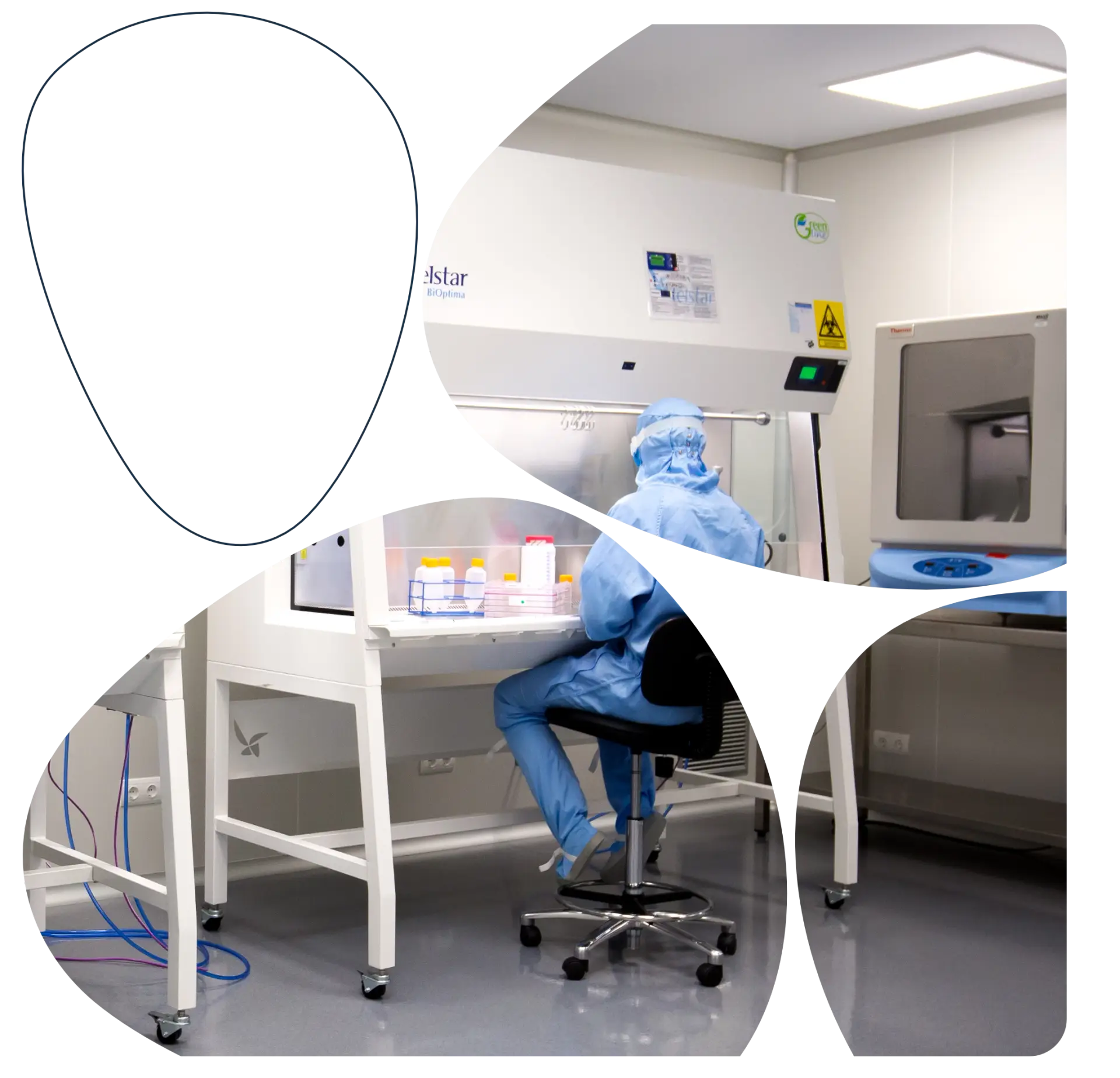
We have scientifically demonstrated in clinical trial that only by using millions of units can the regeneration process be activated. Our therapy applies millions of stem cells, certified by our laboratory.
Clinical trials
Over more than 20 years, we have developed or taken part in 23 trials, 14 of them authorized clinical trials in patients.
Tipology
There are many types of stem cells, but we have demonstrated that only 3 of them are effective when applied to tissues. In the laboratory, we select the correct types of stem cells to ensure regeneration.
Cellular culturing
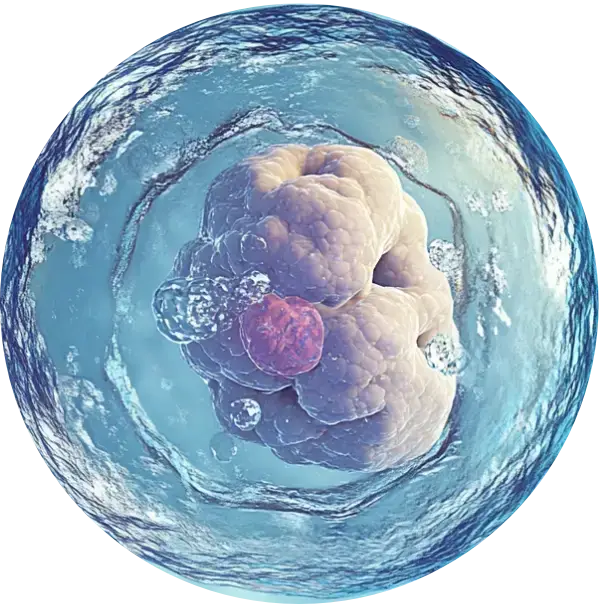
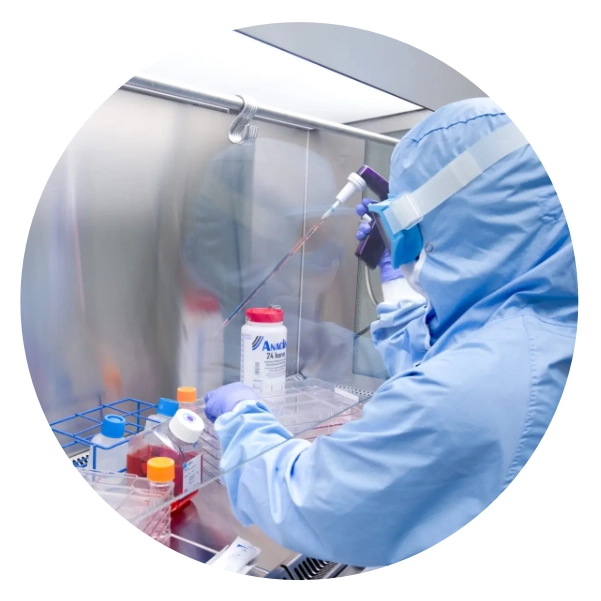
Once the appropriate stem cells are selected, the very small quantity obtained through isolation undergoes an activation and culturing process, causing them to begin multiplying until reaching millions of units.
Cells from donors
We have shown in a clinical trial that we can use cells from other donors. This is very important for elderly patients, those with urgent needs or serious illnesses.
Process of extraction and cultivation of
MESENCHYMAL
STEM CELLS
1.EXTRACTION
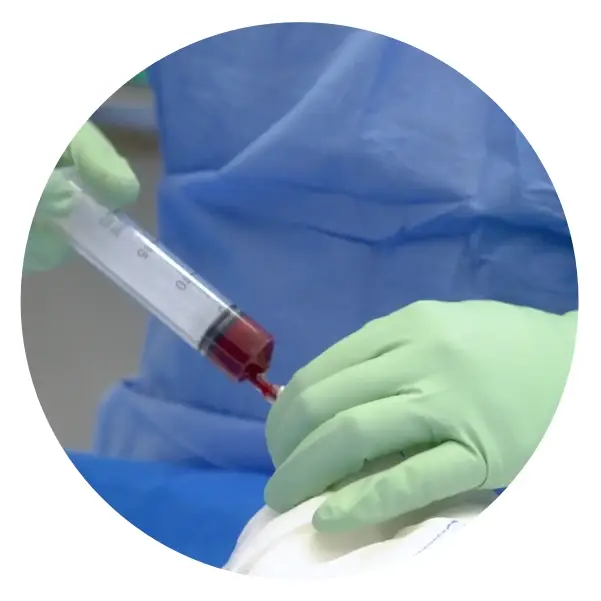
A small puncture is performed in the iliac crest of the hip to extract mesenchymal stem cells from the bone marrow.
The process is brief, painless, and does not require hospital admission. The cells are sent to the laboratory to be selected and cultured.
2. CULTIVATION
The few units of Mesenchymal Stem Cells that are isolated are cultured to multiply them into millions of units. This process can take several weeks.
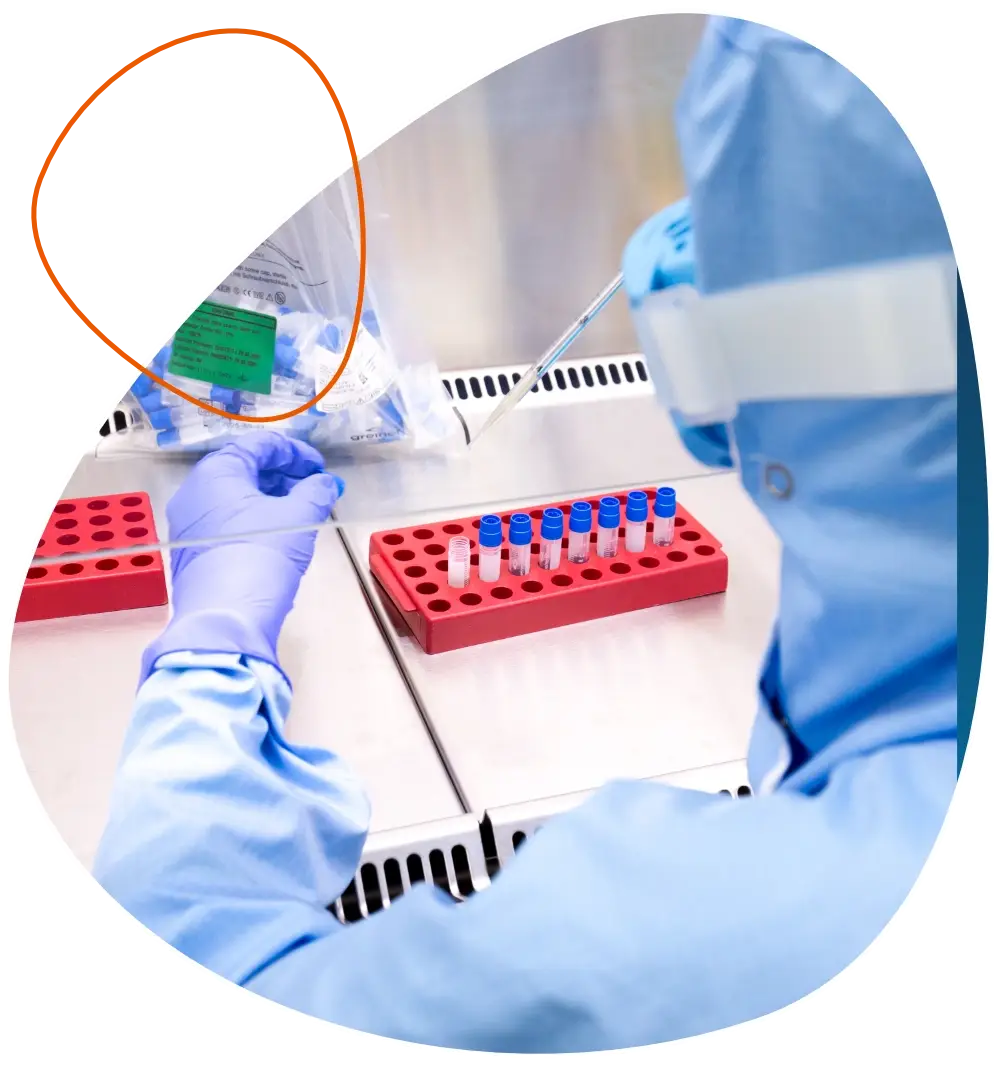
A vial with millions of Cultured Mesenchymal Stem cells (CMSCs) is prepared.
The rest are frozen to preserve them for future needs.
3. IMPLANTATION
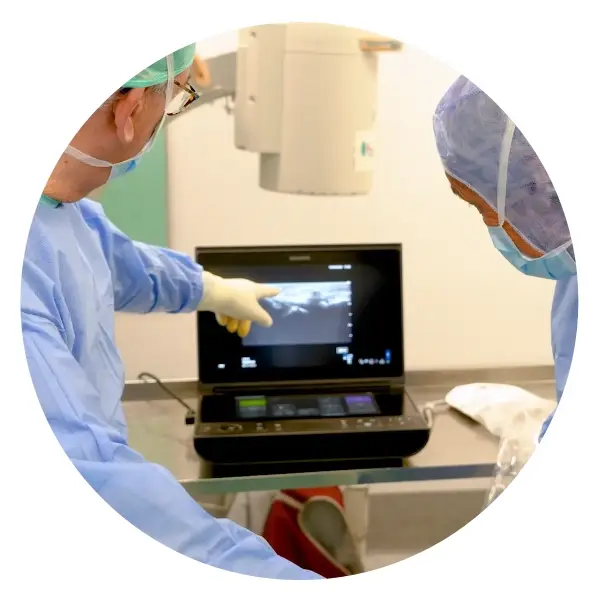
The CMSCs are implanted into the patient’s joint or tendon where the lesion is located.
The treatments have shown unprecedented results in tissue and tendon regeneration.