
Pseudoarthrosis is a serious alteration in the natural bone consolidation process that prevents proper regeneration of the bone after a fracture. When not detected in time, it can lead to chronic pain, functional loss, and a significant decline in the patient’s quality of life.
Recognizing its symptoms early and opting for personalized treatments with cultured mesenchymal cells (CMC)—developed as an advanced therapy medicinal product—can slow its progression and stimulate structural regeneration of the damaged bone.
At ITRT, we apply a therapeutic strategy based on clinical evidence, proven effective in clinical trials authorized by the Spanish Agency for Medicines and Medical Devices (AEMPS) for selected cases of pseudoarthrosis.
Persistent clinical manifestations: warning signs of failed bone consolidation
Pseudoarthrosis is characterized by a pathological interruption in the bone regeneration process. Clinically, this dysfunction manifests through a set of signs and symptoms that should be interpreted as warning indicators during post-fracture evaluation. Among the most relevant:
1. Localized mechanical pain
This is the most frequent and persistent symptom. Unlike inflammatory pain, mechanical pain increases with load or movement and decreases at rest. It indicates micromovement at the fracture site and absence of a consolidated bone bridge.
2. Instability at the fracture site
The patient may feel an “internal movement” at the injured area, suggesting structural discontinuity. This instability compromises mechanical function and favors the degradation of adjacent tissues.
3. Lack of functional progress beyond physiological consolidation timeframes
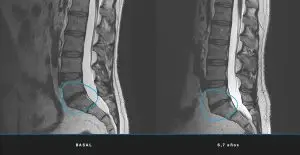
When more than 6 to 9 months pass without clinical or radiological evidence of healing, a differential diagnosis with pseudoarthrosis should be considered. Lack of progress in functional recovery is a key factor in patient history and follow-up.
4. Prolonged functional impairment
There is a sustained loss of the ability to perform basic activities (walking, lifting, holding objects), which limits the patient’s autonomy and directly impacts quality of life.
5. Chronic or intermittent inflammation
Persistent or recurring edema may occur, especially after physical effort. In some cases, it is associated with local hypersensitivity or signs of soft tissue irritation that do not subside with conventional anti-inflammatory treatment.
6. Pathological mobility in the bone segment
Detectable through physical examination, it manifests as abnormal movements between bone fragments, incompatible with consolidated bone architecture. This is a diagnostic criterion for pseudoarthrosis, particularly in load-bearing locations like the tibia or femur.
7. Progressive loss of strength or load-bearing capacity
The patient reports an inability to bear weight or perform previously tolerable efforts. This functional weakness usually results from both structural instability and muscle atrophy due to prolonged immobilization.
8. Local infectious signs in complex cases
In cases of septic pseudoarthrosis, cutaneous fistulas, discharge, erythema, or increased local temperature may be observed. This type of complication requires a specific approach and is often associated with open fractures or surgeries involving osteosynthesis material.
Biomechanical and biological factors predisposing to failed consolidation
Pseudoarthrosis is not merely a lack of bone healing, but the result of a biological and/or mechanical failure in the repair process. Identifying the factors that interfere with osteogenesis is essential to design a personalized cellular treatment based on the underlying etiology. Key factors include:
1. Inadequate immobilization or mechanical stabilization
Stability is one of the pillars of the osteoinductive process. A fracture that has not been properly stabilized—by cast, brace, or osteosynthesis material—is exposed to constant micromovements that hinder callus formation. This creates an unfavorable environment for cell differentiation and promotes fibrocartilaginous degeneration at the site.
2. Bone necrosis or poor vascularization
Lack of blood supply to the fracture site—due to direct trauma, vascular compression, or pre-existing conditions—prevents the arrival of progenitor cells, growth factors, and essential nutrients. This is especially common in diaphyseal fractures or bones with terminal blood supply (such as the scaphoid), limiting the bone’s intrinsic regenerative capacity.
3. Systemic comorbidities and toxic habits
Diseases such as diabetes mellitus, chronic kidney failure, or autoimmune disorders alter the physiological microenvironment required for bone regeneration. This is compounded by the negative effects of smoking (vasoconstriction and cell toxicity), alcohol (altered bone metabolism), and malnutrition (deficiency of essential proteins and minerals), all of which directly impact osteoblastic biology.
4. Failed surgeries or hidden septic foci
Previous surgeries with misalignment, loosening of osteosynthesis material, or unresolved infections are common causes of pseudoarthrosis. The presence of subclinical infection—without obvious signs—can maintain a persistent inflammatory state that degrades the cellular environment and impedes consolidation. These cases require thorough microbiological and surgical evaluation before any advanced therapy is proposed.
See also: Clinical applications of CMC in complex structural models
Cultured mesenchymal cells intervention: regulated osteogenic activation
At ITRT, the treatment of pseudoarthrosis is based on the use of a cellular medicinal product developed with cultured mesenchymal cells (CMC), produced under regulated conditions and validated in clinical trials authorized by the AEMPS. Its objective is to activate bone consolidation in non-healing fractures.
Key features of the protocol:
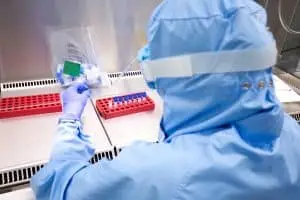
- White room production (GMP): pharmaceutical-grade manufacturing for maximum cell safety and quality.
- Personalized cell dose: tailored for each patient, with identity, viability, and sterility controls.
- Individual authorization (AEMPS): each application requires specific approval.
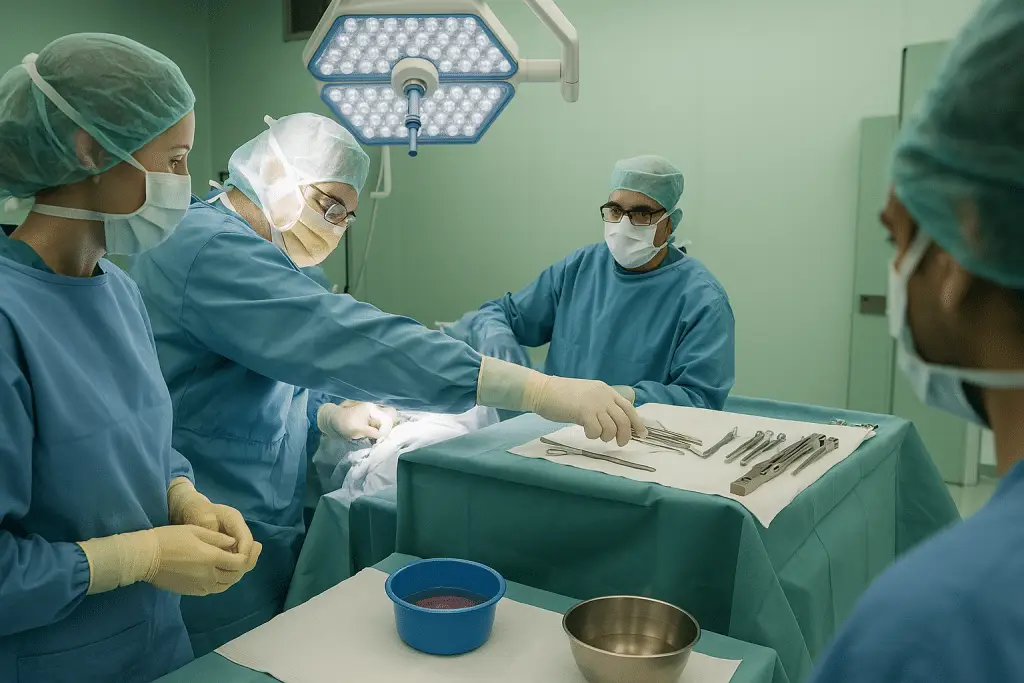
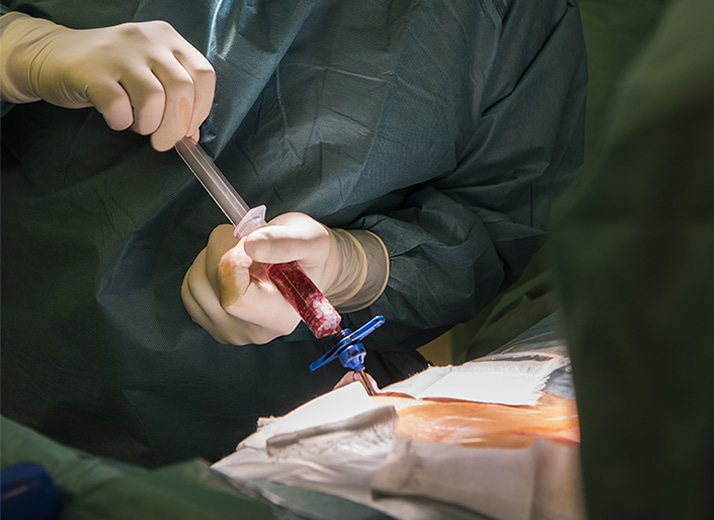
- Regulated outpatient application: image-guided injection without surgery, in an authorized clinical setting.
- Osteogenesis and vascularization stimulation: CMCs biologically activate bone regeneration.
ITRT therapeutic model
Our clinical approach at ITRT goes beyond experimental therapies and is grounded in solid scientific evidence. All our treatments with cultured mesenchymal cells have been validated in authorized clinical trials and undergo long-term follow-up to ensure efficacy and safety.
The intervention follows strict medical protocols aligned with European SoHO legislation, which regulates the use of human-derived substances as advanced therapy medicinal products. We approach each case of pseudoarthrosis from a multidisciplinary perspective, particularly in complex situations affecting long bones like the femur, tibia, or humerus, where structural recovery requires coordinated biomechanical, cellular, and surgical expertise.
Structured and traceable biological treatment
Pseudoarthrosis presents a therapeutic challenge that exceeds the limits of conventional orthopedic treatments. At ITRT, we offer a response based on the new cellular medicine, applying cultured mesenchymal cells as an advanced therapy medicinal product within a compassionate use model that requires individual patient authorization.
This approach not only meets the highest regulatory standards, but has also shown promising results in AEMPS-authorized clinical trials in restoring function in complex cases. Through regulated medical follow-up, pharmaceutical traceability, and consolidated scientific evidence, we work to restore bone integrity and return autonomy to our patients with precision, safety, and personalized therapy.
At ITRT, our clinical team can assess your case within the regulated framework of compassionate use authorized by the AEMPS. If you experience any of the symptoms described, we invite you to request a specialized medical evaluation. If indicated, we will propose treatment with cultured mesenchymal cells, under supervision and scientific basis.
Advanced therapy medicinal products with cultured mesenchymal cells (CMC) are subject to medical prescription and require individual authorization from the Spanish Agency for Medicines and Medical Devices (AEMPS). The information presented here is for informational purposes only and does not replace medical consultation or professional healthcare advice.