
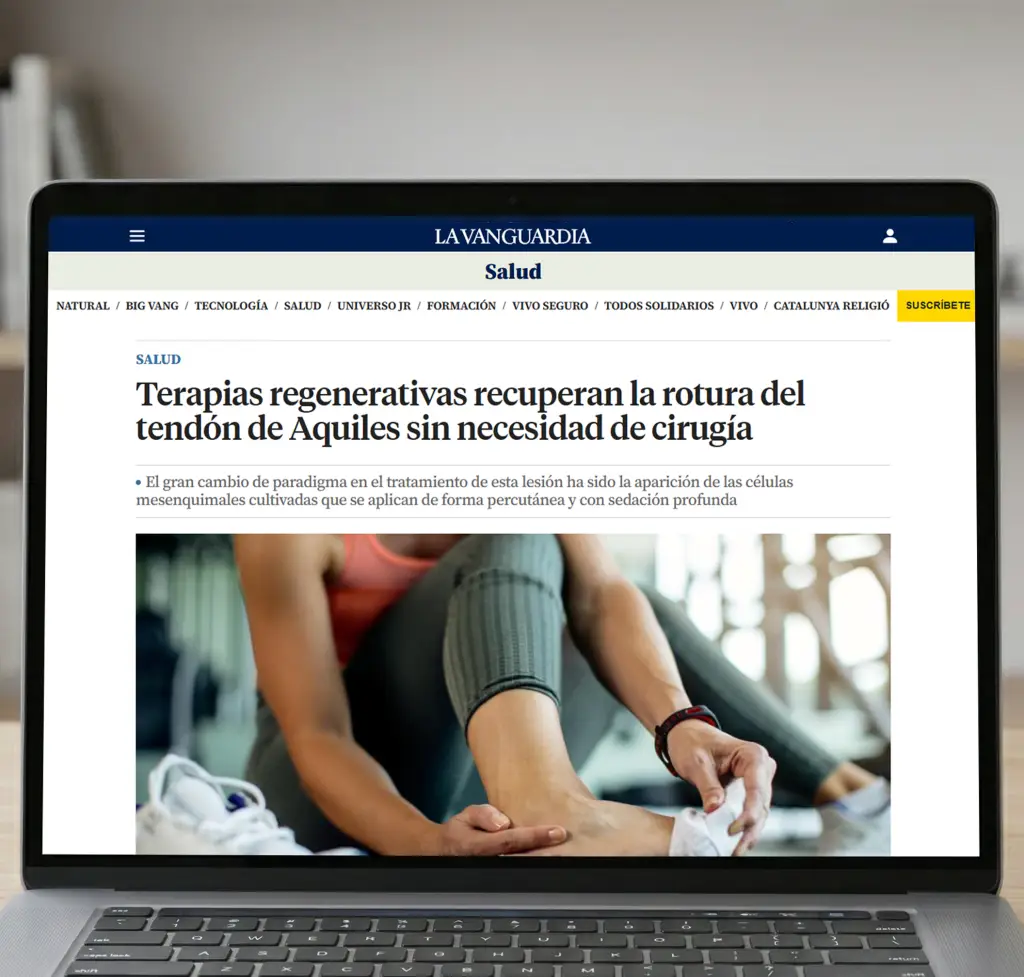
Achilles tendon rupture is one of the most feared injuries among athletes. It has traditionally been associated with surgery and months of immobilization; in recent years, however, a new approach has emerged in the clinical debate: regenerative therapies based on cultured mesenchymal cells. Are we witnessing a true paradigm shift, or a promising approach that still warrants caution? asks the newspaper La Vanguardia in a recent article.
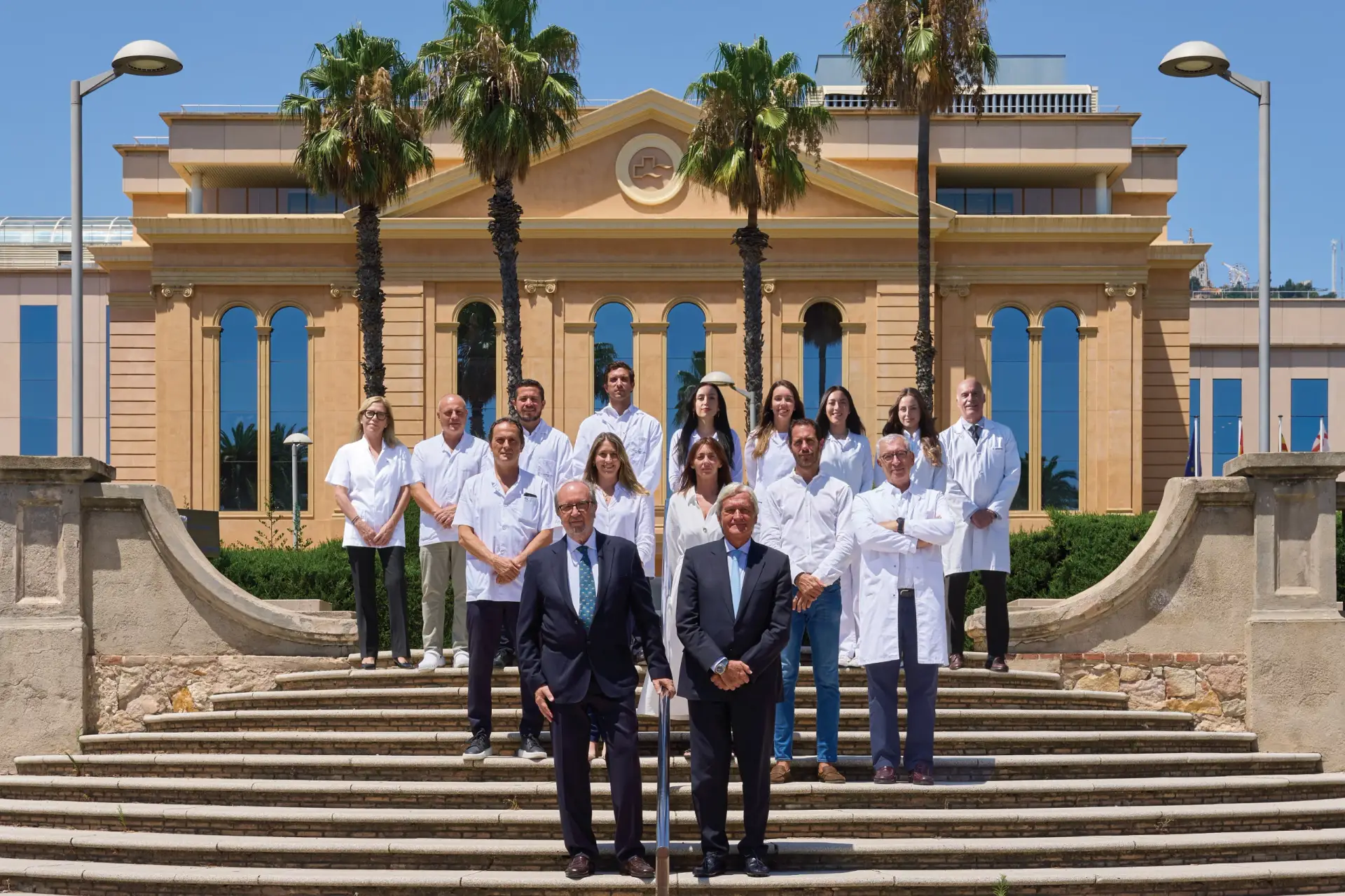
The outlet interviewed exclusively one of Spain’s leading experts in the field, Dr. Robert Soler, co-founder and Medical Director of the Institute for Tissue Regenerative Therapy (ITRT) at Centro Médico Teknon in Barcelona, who reminds us that until this paradigm shift, surgery was the only treatment option available — the one approach aimed at resolving the injury — but the landscape is now changing.
To better understand and contextualize this, the traumatologist explains what is meant by ‘Achilles tendon rupture,’ as it encompasses several distinct clinical realities: from partial tears within the tendon — which may be small, medium, or large, both in width and depth — to complete ruptures with fiber-free zones of varying sizes and fiber retraction; as well as acute, chronic, and long-standing chronic ruptures spanning years.
Frequent rupture
Athletes, both amateur and professional, are the group most affected by Achilles tendon injuries
“The group most frequently presenting with Achilles tendon injuries is athletes — both professional and amateur — across all sports, but particularly those involving high impact on the lower limbs: soccer, basketball, runners, futsal, padel, tennis… of all ages,” emphasizes Dr. Soler.
He points to several contributing factors, such as insufficient warm-up before exercise, while noting that the most significant cause of fiber rupture is typically acute overload. “Another important group is adults, where the cause is more often tissue degeneration associated with overexertion,” he adds.
Among its symptoms, Dr. Soler notes a cracking sensation in the heel, accompanied by significant pain and considerable difficulty bearing weight and walking.
New treatments: the paradigm shift
La Vanguardia describes what is undoubtedly “the major paradigm shift” in the treatment of Achilles tendon rupture: the introduction of cultured mesenchymal cells (CMC). “It is a medicinal product. Until now, we only had surgical treatment in the operating room under general anesthesia — open surgery involving suturing the rupture site, repairing the area and applying a dressing, followed by discharge with a walker boot, non-weight-bearing on crutches, and a brief hospital stay.”
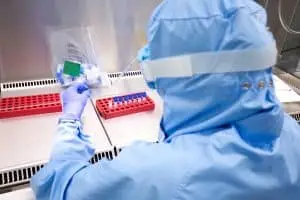
Since the treatment with cultured mesenchymal cells was introduced, however, the procedure can be performed using the patient’s own cells — known as autologous cells — which are harvested in the operating room under sedation and transferred to the GMP-compliant cleanroom, where they are selected and cultured for 21 days to obtain millions of viable cells.
“Cells from another patient — known as allogeneic cells — can also be used with no risk of rejection, and they are equally as effective as autologous ones. They are administered in the operating room under deep sedation, with ultrasound guidance and percutaneously (without opening the skin), using a needle to inject this CMC medicinal product directly into the injured tendon at a total dose of 20 million viable cells, which is then covered with a dressing,” the specialist adds.
The result? Dr. Soler highlights that with this new technique, the patient leaves the operating room in under an hour following an outpatient procedure — with no need for surgery — and does so bearing weight on the foot, walking with the assistance of crutches, and without any boot or cast.
Recovery has also changed
But the progress does not stop there — recovery has also seen a remarkable advancement. As Dr. Soler states, “surgery typically involves 3 months in a walker boot at 10 degrees of plantar flexion, crutches, and limited rehabilitation; followed by another 3 months in a walker boot at zero degrees, more intensive rehabilitation, and then three to six months of rehabilitation before returning to competition.”
Dr. Soler emphasizes that after treatment with cultured mesenchymal cells, the patient goes home without a boot, on crutches, and bearing weight on the foot. “The crutches are discontinued after 4 days. Relative rest is required for one week. Pain is typically mild and resolves within 4 to 5 days,” the specialist adds.
New therapies
After treatment, the patient goes home without a boot, on crutches and bearing weight on the foot
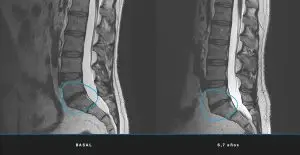
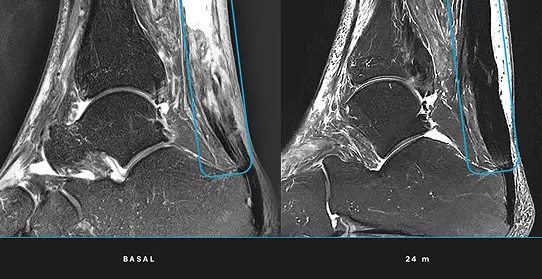
Regarding the patients who can be treated with this new procedure, Dr. Soler maintains that it is “difficult to find limits either in age or in the type of injury.” “Surgery achieves repair, not regeneration of tendon tissue. What is remarkable with cellular treatment is that pain is relieved within days, return to play is achieved in three to four months, and although the tissue is not yet fully regenerated, the patient can play without pain — and these traction stimuli appear to support regeneration, as the one-year MRI shows significant regeneration, with complete regeneration confirmed at the two-year MRI,” the specialist highlights.
He also advocates for this therapy because “another remarkable finding is that relapses are almost nonexistent,” as Dr. Robert Soler concludes.
Legal notice
Advanced therapy medicinal products with cultured mesenchymal cells (CMC) require medical prescription and individual authorization by the AEMPS. This content is for informational purposes only and does not substitute medical advice. The clinical outcomes mentioned correspond to patients treated within the context of authorized clinical trials and are not generalizable to other patients.