Chronic low back pain is often associated with factors such as mechanical overload, disc aging, sedentary behavior, or prolonged postural imbalances. These conditions contribute to the progressive degeneration of the intervertebral discs in the lumbar region, commonly referred to as black disc disease.
Identifying the causes of chronic low back pain from disc degeneration is essential for establishing an effective therapeutic approach. This condition, marked by the gradual deterioration of the lumbar discs, often presents with persistent pain and reduced mobility. Analyzing lumbar biomechanics helps detect the contributing factors, including mechanical stress, disc dehydration, inactivity, or poor posture.
Preventing and treating this type of low back pain involves reducing pressure on the discs, improving spinal mobility, and promoting tissue regeneration. Adopting proper posture, engaging in therapeutic exercise, and considering regenerative therapies using cultured mesenchymal cells (CMCs) can significantly impact the patient’s recovery.
A personalized, evidence-based approach makes it possible to manage disc-related chronic back pain effectively and improve long-term quality of life. In this regard, ITRT has demonstrated, through clinical trials, significant improvements in both pain reduction and disc regeneration.
See also: The treatment of lumbar disc disease
Why does lumbar disc degeneration occur?
Lumbar disc degeneration, also known as disc wear, results from a combination of mechanical, biological, and postural factors that progressively affect the structure of the intervertebral disc. Over time, these factors alter its hydration, elasticity, and ability to absorb impact.
The most common causes include:
- Natural aging, which reduces the water content in the disc and limits its shock-absorbing function.
- Mechanical overload, due to repetitive strain, poor posture, or physically demanding work.
- Sedentary lifestyle, which decreases the nutrient supply to the disc and accelerates its deterioration.
- Excess body weight, which increases pressure on the lumbar spine.
- Genetic predisposition, which can speed up the degenerative process even in younger individuals.
These factors, whether acting alone or combined, lead to gradual deterioration that can eventually result in what is clinically referred to as a black disc. Identifying them early is key to planning a treatment that relieves pain and slows down the progression of damage.
See also: ITRT proves for the first time that tendon can be regenerated with cultured mesenchymal stem cells
What is the role of intervertebral discs?
Intervertebral discs act as natural cushions between the vertebrae. Each disc consists of a soft, gel-like core and a tough outer ring. This structure allows the spine to absorb impact and move in multiple directions.
Over time, these discs may lose height and flexibility due to inactivity, excess body weight, or poor posture. This degeneration is the basis of black disc disease. When this occurs, it may lead to pain, stiffness, or in more severe cases, disc herniation.
Early detection of these changes is key to applying effective treatments and preventing complications.
Common causes of lumbar disc degeneration
1. Natural aging and wear
With age, discs lose water content and become less flexible. This reduces their ability to absorb shocks and increases the risk of fissures, bulges, or disc collapse.
2. Mechanical stress and poor posture
Being overweight, physically inactive, or frequently lifting loads with poor technique can accelerate disc wear and lead to chronic low back pain.
3. Genetics and personal predisposition
Some individuals are genetically predisposed to early disc degeneration, even without prior symptoms.
Symptoms of chronic low back pain from disc degeneration
- Persistent lower back pain that worsens when bending or twisting.
- Radiating pain down the legs (sciatica) due to nerve compression.
- Tingling, numbness, or weakness in the lower limbs.
- Difficulty walking or standing for long periods in advanced cases.
Importance of early diagnosis
- Prevents the progression of disc degeneration.
- Identifies the true source of pain through imaging studies.
- Enables a personalized and targeted treatment plan.
Regenerative treatment with cultured mesenchymal cells
Cultured mesenchymal cells (CMCs), authorized by the Spanish Agency for Medicines (AEMPS), offer an advanced and legal option for treating lumbar disc degeneration. These cells can regenerate tissues such as cartilage and bone, making them ideal for repairing damaged intervertebral discs.
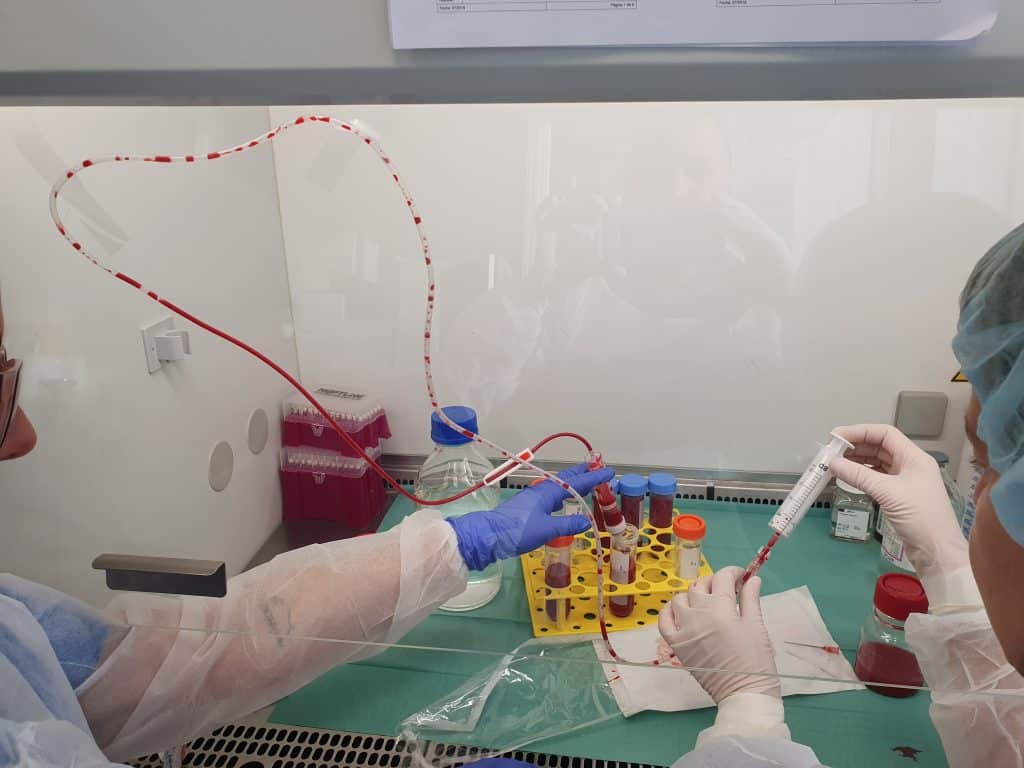
The process involves extracting stem cells from the patient’s own body, culturing them in a lab, and re-implanting them into the affected area. Unlike surgery, this is a minimally invasive, outpatient treatment.
Clinical trials by ITRT have shown significant improvements in both tissue regeneration and pain relief. ITRT is currently the only certified center in Spain offering this treatment with proven clinical results.
See also: Mesenchymal Cells in Tissue Regeneration: A Revolutionary Advancement in Regenerative Medicine
Recommendations for patients with lumbar disc degeneration
Although this condition can significantly affect quality of life, it is possible to slow its progression and treat it effectively. Maintaining proper posture, exercising regularly, managing weight, and seeking specialist care at the first signs of discomfort are essential steps.
When disc damage is already present, it is crucial to consider advanced cell therapy with CMCs, always under the guidance of qualified medical professionals.
Restoring physical and functional well-being in cases of chronic low back pain from disc degeneration is possible. Being well-informed and taking early action can make a significant difference.