The only treatment proven to heal hamstring tear or injuries
A definitive solution that generates new tissue in record time
We heal injuries previously considered incurable
+0
Doses administered in tendon
+0
Doses administered in the hamstrings
0
Clinical trial in patellar tendon
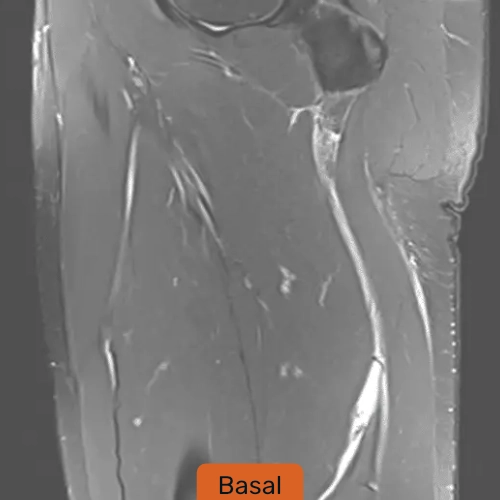
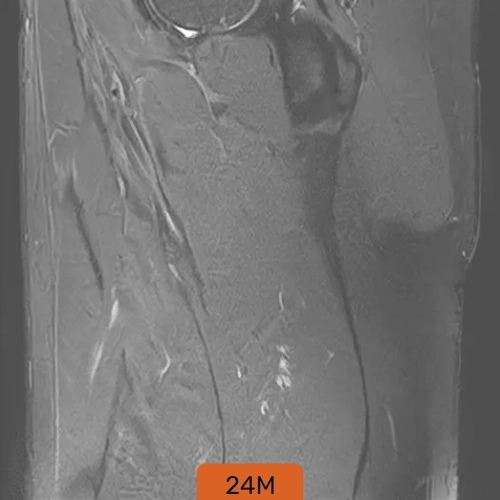
Hamstring tear and regeneration with Cutured Stem Cells
Hamstring Tear
The hamstrings are a group of three muscles located at the back of the thigh: the biceps femoris, semitendinosus, and semimembranosus. These muscles are essential for leg movement, allowing for knee flexion and hip extension. The hamstrings play a crucial role in activities such as walking, running, and jumping, but they are also prone to injury due to the strain they frequently endure.
However, these muscle structures are prone to injuries, ranging from tendinitis and tears to complete tendon ruptures. Hamstring tear can be extremely painful and restrictive, making everyday activities and sports difficult.
The treatment of hamstring injuries presents several challenges:
Anatomical Complexity: The deep location of the hamstring muscles and the complexity of their structure make it difficult to accurately assess and treat injuries.
Slow Recovery: Due to the poor blood supply to the hamstring tendons, recovery from these injuries tends to be slower compared to others.
Frequent recurrence: Hamstring injuries have a high recurrence rate, meaning patients may experience repeated episodes even after an apparently successful recovery.
How do I know if I have torn my hamstring tendon?
A torn hamstring tendon is a common injury, especially among athletes, and can cause intense pain in the back of the thigh. If you’re wondering how to tell if you have a torn hamstring tendon, it’s crucial to pay attention to certain key symptoms.
The most common symptoms include sharp, sudden pain in the back of the leg, swelling, and the inability to put weight on the affected leg.
In severe cases, you may notice bruising or even a visible gap in the area where the tear has occurred.
The diagnosis of this injury usually requires a thorough clinical assessment and, in some cases, an MRI to confirm the extent of the tear. If you experience any of these symptoms, it is important to seek medical attention promptly to determine the appropriate treatment and avoid future complications. Early detection is crucial for a swift and effective recovery.
Why our exclusive treatment is one-of-a-kind?
Not all stem cell treatments are equal; many of them barely contain a handful of stem cells, at best..
Our exclusive therapy of cultivated stem cells is the only one in the field of Regenerative Medicine that has scientifically demonstrated its effectiveness and safety. Only ITRT applies this therapy, which is the result of over 20 years of research.
Solo ITRT aplica esta terapia que es el fruto de más de 20 años de investigación.Differences of our exclusive therapy from the rest of the mislabeled ‘stem cell’ treatment:
Dosage
We have scientifically demonstrated in clinical trial that only by using millions of units can the regeneration process be activated. Our therapy applies millions of stem cells, certified by our laboratory.
Clinical trials
Over more than 20 years, we have developed or taken part in 23 trials, 14 of them authorized clinical trials in patients.
Tipology
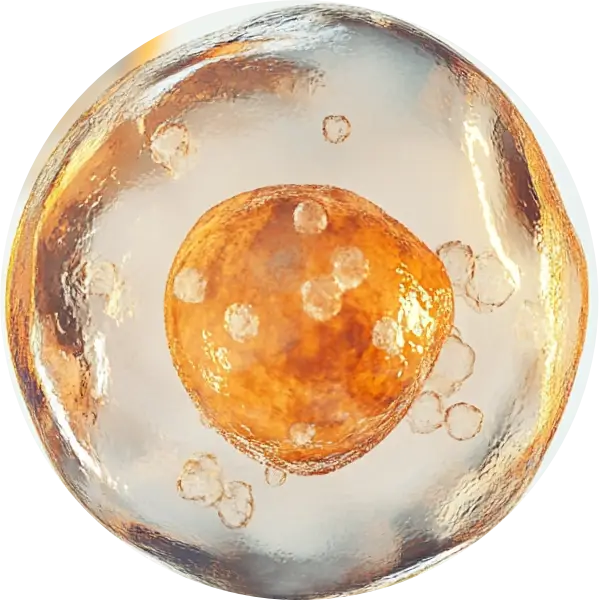
There are many types of stem cells, but we have demonstrated that only 3 of them are effective when applied to tissues. In the laboratory, we select the correct types of stem cells to ensure regeneration.
Cellular culturing
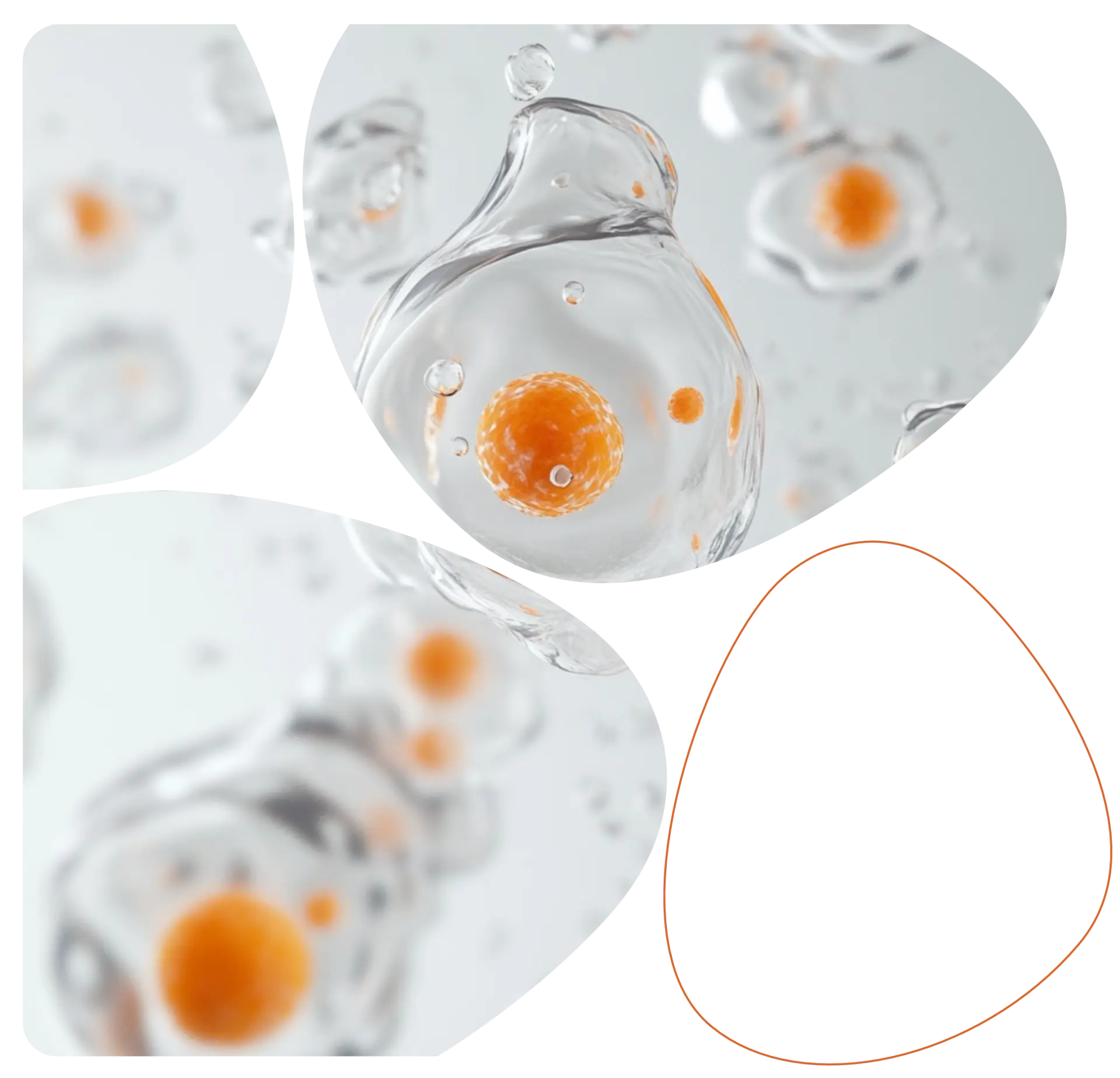
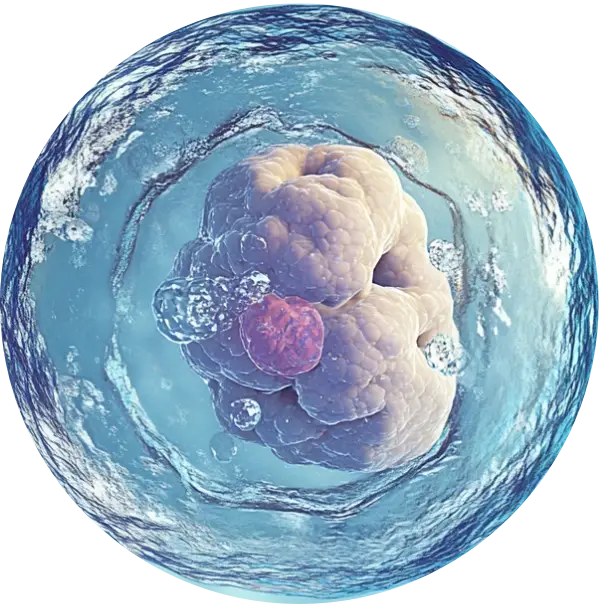
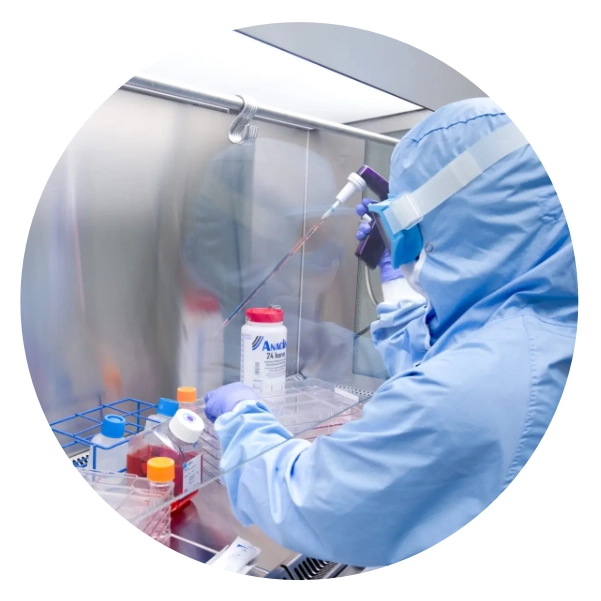
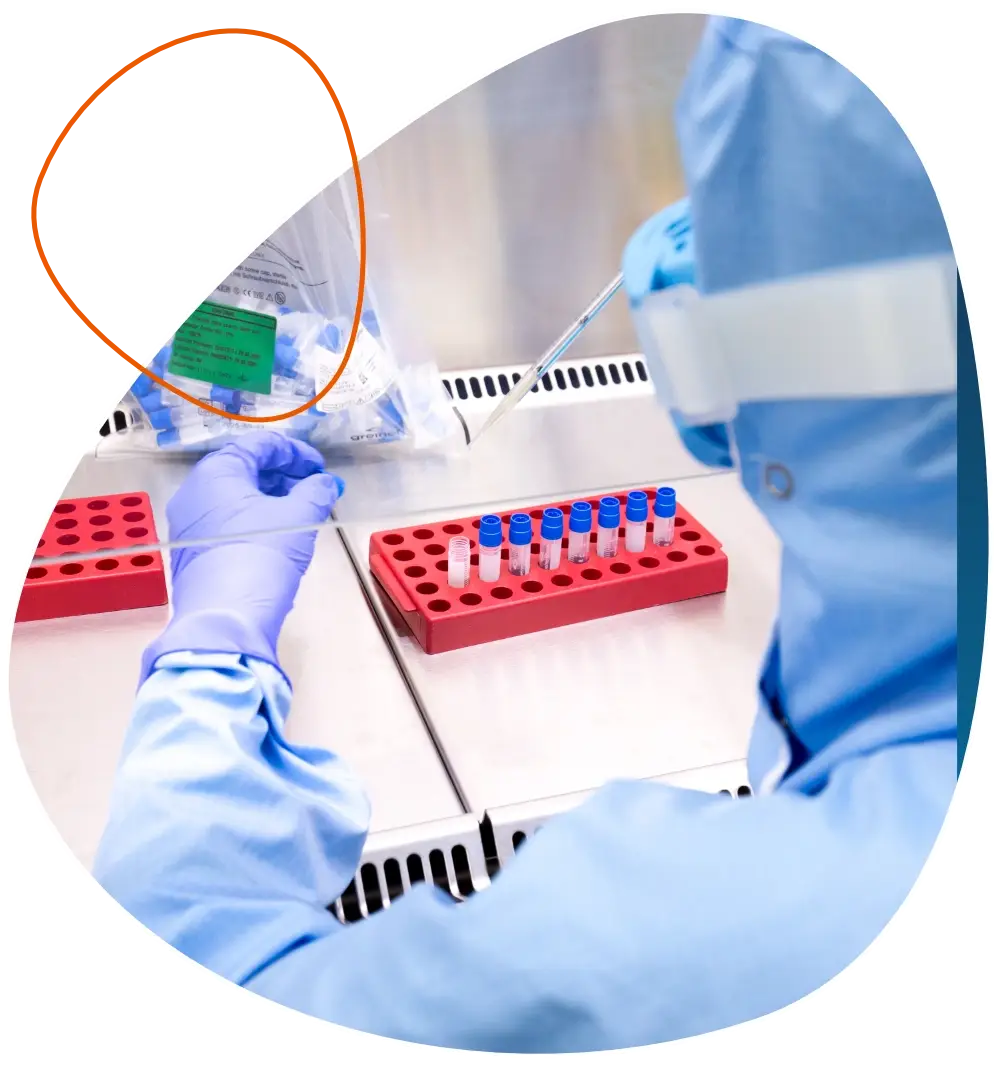
Once the appropriate stem cells are selected, the very small quantity obtained through isolation undergoes an activation and culturing process, causing them to begin multiplying until reaching millions of units.
Cells from donors
We have shown in a clinical trial that we can use cells from other donors. This is very important for elderly patients, those with urgent needs or serious illnesses.
Real outcomes, Real hope
Pol Leal is one of the brightest prospects in athletics. His career was at risk when, during a race his hamstring tendon tore due to overuse.
Specialists told him he would never be able to run at 100% again, effectively ending his professional athletics career. However, after receiving 20 million cultured stem cells via injection, he returned to training and winning races within 2 months, performing at the same level as before the injury.
Proceso de extracción y cultivo de
CÉLULAS
MADRE
MESENQUIMALES
1. EXTRACCIÓN
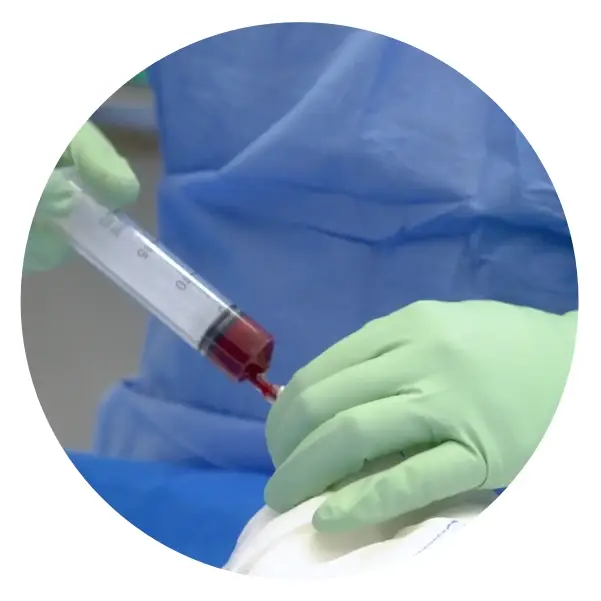
Se realiza una pequeña punción en la cresta ilíaca de la cadera para extraer las células madre mesenquimales de la médula ósea.
El proceso es breve, indoloro y no necesita ingreso hospitalario.
Se envían al laboratorio para ser seleccionadas y cultivadas.
2. CULTIVO
Las pocas unidades de células madre mesenquimales que son aisladas se cultivan para multiplicarlas en millones de unidades.
Este proceso puede durar algunas semanas.
Se prepara un vial con millones de células madre mesenquimales cultivadas (CMMC).
El resto se congelan para conservarlas de cara a futuras necesidades.
3. IMPLANTACIÓN
Las CMMC se implantan en la articulación o tendón del paciente donde se encuentra la lesión.
Los tratamientos han mostrado resultados sin precedentes de regeneración del tejido y del tendón.