
Tendon regeneration is one of the main challenges in musculoskeletal medicine. In recent years, the use of Cultured Mesenchymal Cells (CMC) for the treatment of tendinopathies has gained visibility among physicians and patients.
However, this progress has also generated confusing information, unrealistic expectations, and practices without scientific support. At the ITRT, we address tendon regeneration through advanced cell therapy products with CMC, following clinical protocols regulated by the AEMPS and supported by evidence from clinical trials.
This article clarifies common misconceptions about CMC treatments and explains how a true biological medicine for the tendon works, based on scientific and regulatory criteria.
Regulatory information: Advanced cell therapy products with Cultured Mesenchymal Cells (CMC) require a medical prescription and individual authorisation from the Spanish Agency of Medicines and Medical Devices (AEMPS). The information presented here is for educational purposes and does not replace medical consultation or the guidance of a healthcare professional.
Scientific progress and clinical validation of CMC use in tendinopathies
Research in advanced cellular medicine has led to a deeper understanding of tendon biology and its limited natural capacity for self-repair.
Given the limited effectiveness of conventional treatments in chronic or degenerative injuries, new therapeutic alternatives based on cellular mechanisms were explored.
Cultured Mesenchymal Cells (CMC) showed potential in preclinical studies due to their ability to modulate chronic inflammation, improve vascularisation, and stimulate tendon-tissue repair. However, it was not until they were cultured under Good Manufacturing Practice (GMP) conditions, rigorously characterised, and integrated into authorised clinical trials that CMC became established as viable advanced cell therapy products.
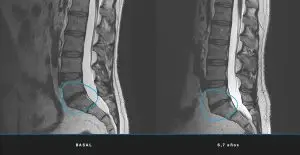
At ITRT, we have led part of this progress, becoming pioneers in Spain in the use of CMC for tendon regeneration under individual authorisation from the AEMPS, with clinical results published in international scientific journals and monitored through imaging.
See also: How to Regenerate the Patellar Tendon with Cultured Mesenchymal Cells?
Common myths about CMC treatment in tendon disorders
1. Myth 1: “CMC regenerate the tendon directly and immediately”
FALSE. Tendon regeneration is a gradual and complex process that requires specific clinical conditions. Cultured Mesenchymal Cells do not build tissue directly; they stimulate the cellular environment so the body can activate its own natural repair mechanisms.
Results depend on multiple factors:
• Type of tendinopathy (chronic, degenerative, partial)
• Chronicity of the injury
• Condition of the tendon tissue
• Personalised cell dose administered
For this reason, every CMC treatment requires individual medical evaluation and structured clinical follow-up with MRI.
2. Myth 2: “Any centre can offer CMC treatments”
FALSE. In Spain, the clinical use of Cultured Mesenchymal Cells is regulated by the AEMPS (Spanish Agency of Medicines and Medical Devices) and requires:
• Individual authorisation for each patient
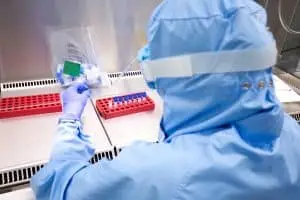
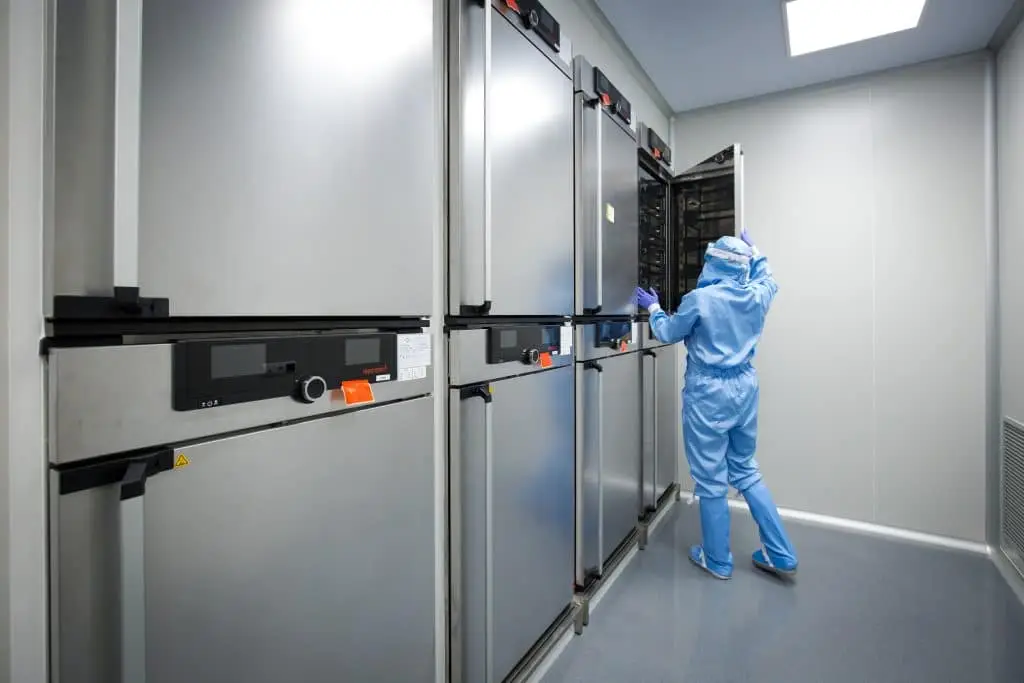
• GMP manufacturing in a certified cleanroom
• Cell quality control and characterisation
• Full process traceability
At ITRT, all CMC-based medicines strictly meet these regulatory requirements, ensuring safety and legal compliance.
3. Myth 3: “CMC treatment always avoids surgery”
FALSE. Although CMC can often prevent or delay surgery, clinical indication must be assessed individually.
Optimal indications:
• Chronic tendinopathies with structural degeneration
• Partial tears with persistent pain
• Failure of previous conservative treatments (physiotherapy, PRP)
Limitations:
• Complete tears with severe retraction (require surgery)
• Active infectious processes
• Advanced degeneration with poor structural viability
CMC treatment is not a replacement for surgery in all cases. Proper patient selection, based on clinical assessment and advanced imaging, is essential.
See also: What should you ask before a CMC treatment? A guide for patients
Clinical realities: what is actually proven
1. Evidence from authorised clinical trials
At ITRT, we have conducted clinical trials demonstrating that Cultured Mesenchymal Cells can improve the structure and function of damaged tendon tissue, reducing pain and supporting functional recovery in:
• Chronic Achilles tendinopathy
• Rotator cuff tendinopathy
• Patellar tendinopathy
Results published in:
• The American Journal of Sports Medicine
• Orthopaedic Journal of Sports Medicine
• Biomedicines
2. Personalised treatment with imaging follow-up
Each patient is assessed by a specialised medical team to determine whether they are a candidate for an advanced cell therapy medicine with CMC.
Clinical follow-up includes:
• High-resolution MRI
• Musculoskeletal ultrasound
• Validated functional scales
• Full process traceability
3. Safety and regulatory control
The advanced cell therapy medicine with CMC developed by ITRT is produced in a GMP-certified cleanroom with:
• Full cellular characterisation
• Microbiological control
• Individualised clinical release
• AEMPS authorisation for each patient
This is not an experimental procedure, but a regulated medicine prescribed by a physician and monitored under standard hospital protocols.
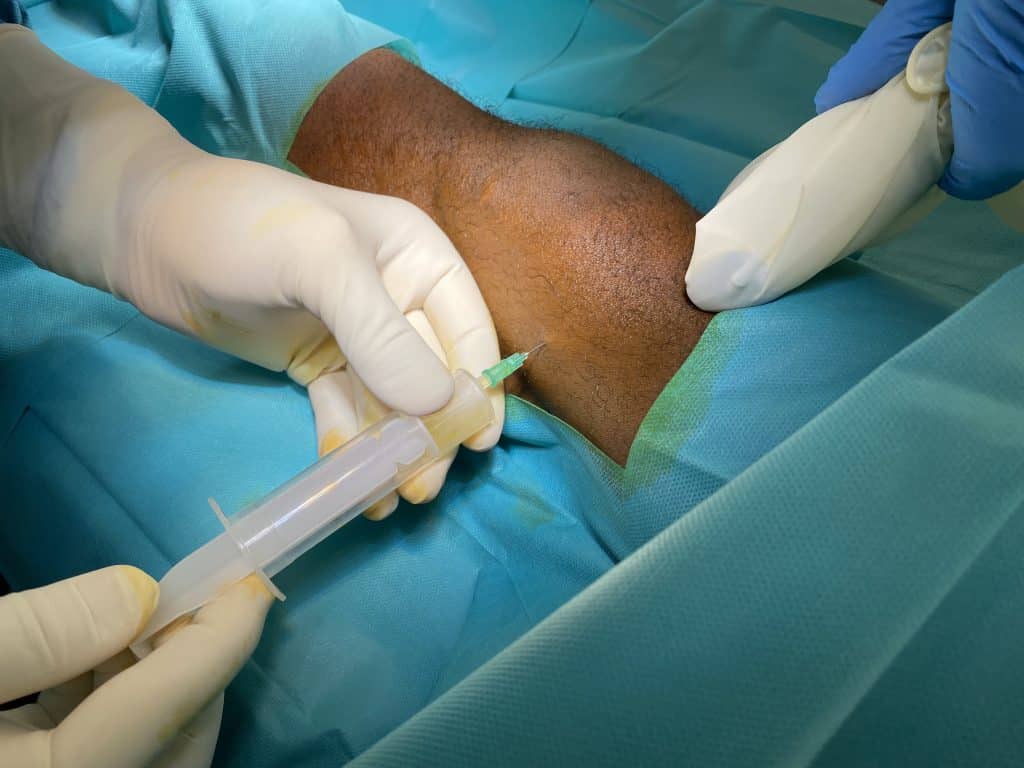
How do Cultured Mesenchymal Cells (CMC) act in tendon regeneration?
The therapeutic effect of Cultured Mesenchymal Cells is not based on their direct conversion into tendon tissue, but on their ability to stimulate the surrounding cellular environment.
Main mechanisms of action:
1. Modulation of chronic inflammation
They reduce the persistent inflammatory activity typical of degenerative tendinopathies.
2. Stimulation of vascularisation
They improve blood supply in areas of the tendon with poor circulation, facilitating the delivery of nutrients and reparative cells.
3. Regulation of the extracellular matrix
They promote the synthesis of type I collagen, the main structural protein of healthy tendon tissue.
4. Activation of the tendon’s own cells
They stimulate the proliferation and function of tendon cells (tenocytes).
These effects depend on:
• Cell dose administered
• CMC viability
• Culture conditions
• Tissue environment at the application site
At ITRT, we use standardised, fully characterised cell preparations with strict quality control to ensure clinical effectiveness in tendon regeneration.
Selection criteria: who can benefit from CMC treatment?
Not all tendon injuries are suitable for treatment with Cultured Mesenchymal Cells. The indication must be based on precise clinical, radiological, and functional criteria.
At ITRT, each case is assessed through:
• Specialised medical consultation
• High-resolution MRI
• Musculoskeletal ultrasound
Optimal candidates:
• Chronic tendinopathies with structural degeneration, without complete rupture
• Partial tears with persistent pain and limited response to conventional treatments
• Failure of previous therapies (physiotherapy, injections, PRP)
Contraindications:
• Complete ruptures with severe tendon retraction (surgical solution)
• Active infectious processes
• Uncontrolled systemic disease
• Advanced degeneration with poor structural viability
Tendon regeneration with Cultured Mesenchymal Cells is a clinical reality supported by authorised clinical trials, not an unfounded promise. In a context where non-evidenced and non-regulated treatments are proliferating, it is essential to rely on centres that guarantee:
• GMP-compliant manufacturing
• Individual AEMPS authorisation
• Published clinical trials
• Imaging-based follow-up
• Full traceability
To determine whether CMC treatment is appropriate for a specific tendon injury, a specialised medical evaluation based on advanced imaging and updated scientific criteria is required.
Advanced cell therapy medicines with Cultured Mesenchymal Cells (CMC) require a medical prescription and individual authorisation from the Spanish Agency of Medicines and Medical Devices (AEMPS). The information presented here is for educational purposes and does not replace medical consultation or the guidance of a healthcare professional.