

Cellular dose in cultured mesenchymal cells (CMC): why it is the parameter that changes everything
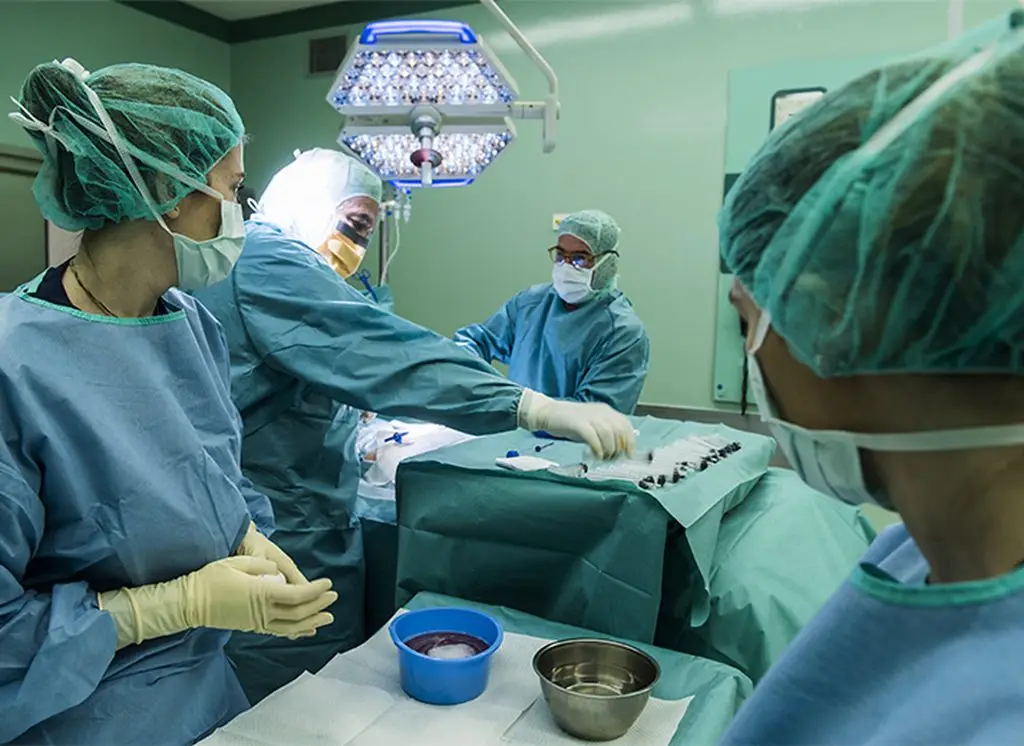
Before undergoing any procedure involving mesenchymal cells, there is one question that should be answerable with documentation: how many cells will be administered, and how has that number been verified? If no concrete answer exists, the procedure is not classified as a regulated medicinal product. The cellular dose is the technical and regulatory criterion that marks that difference. In this article, we explain how it is defined, how it is certified, and why it is decisive in indications such as tendons, cartilage, and lumbar disc disease, from the clinical and scientific perspective of ITRT.
Knee osteoarthritis: clinical evidence and structural regeneration with cultured mesenchymal cells (CMC)
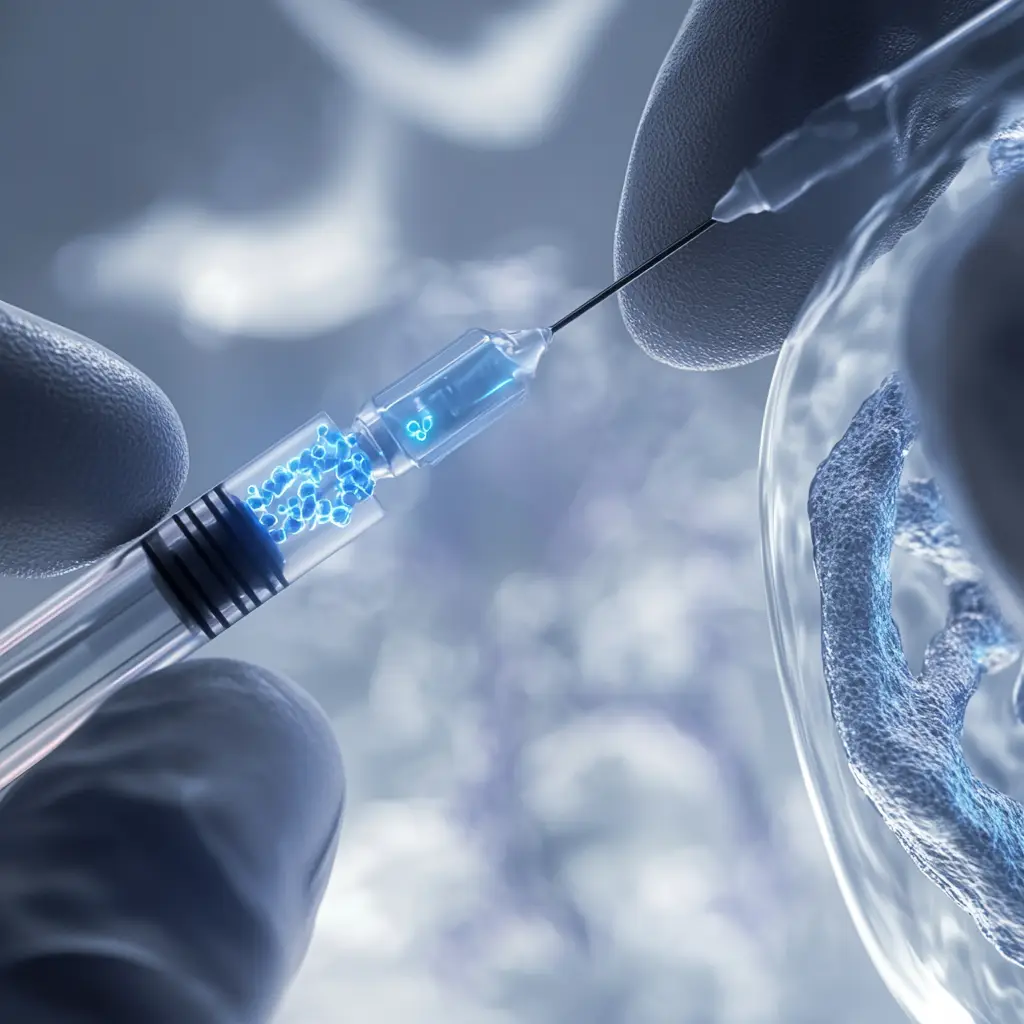
Current research analyzes how to intervene in damaged structures in cases of knee osteoarthritis through advanced therapy medicinal products with cultured mesenchymal cells (CMC), evaluated in authorized clinical trials. Addressing how to regenerate cartilage requires distinguishing between non-regulated procedures and medicines developed under European regulatory standards.
Cultured mesenchymal cells: regulatory, biological, and clinical differences compared to same-day cell concentrates
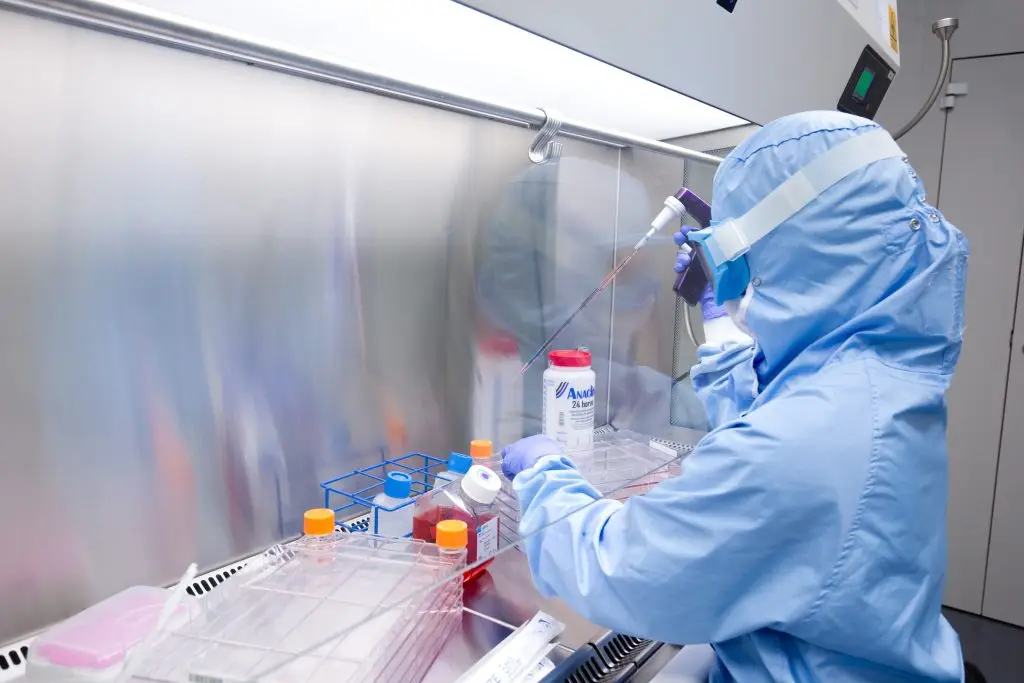
The production of cultured mesenchymal cells (CMC) in a GMP cleanroom transforms a biological material into an advanced therapy medicinal product under quality control and regulatory supervision.
Which cellular treatments are considered legal and regenerative?
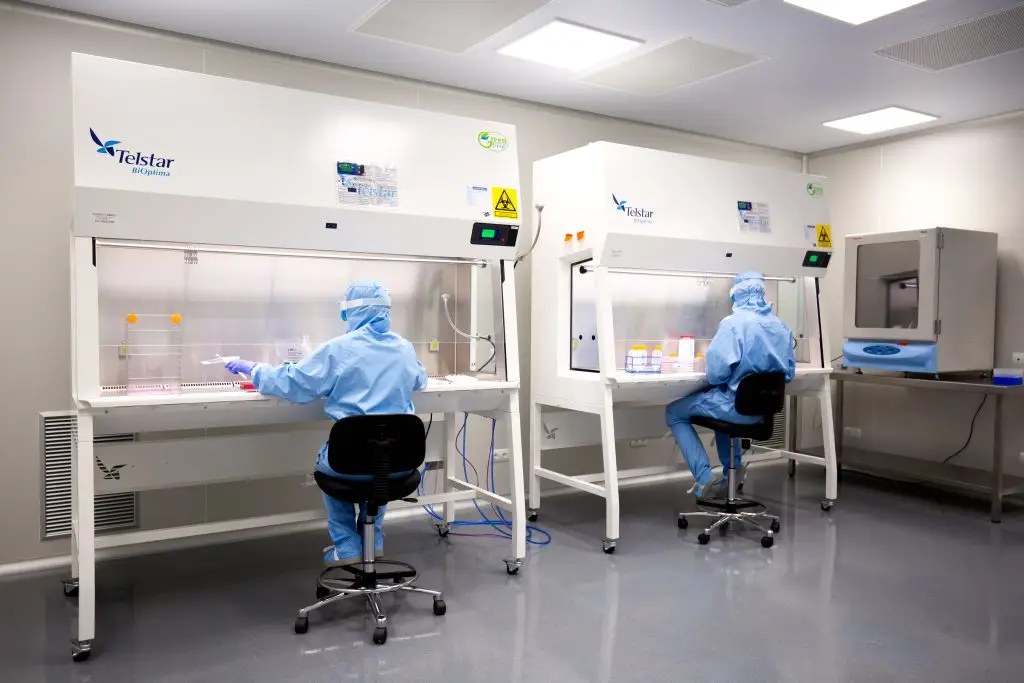
European and Spanish legislation establishes that only advanced therapy medicinal products used within the AEMPS framework can be considered regenerative cellular treatments. This article explains how to distinguish regulated medical interventions from unauthorized practices that use human cells without clinical evidence or legal approval, offering an analysis within the framework of Regulation (EC) No 1394/2007 and ITRT’s clinical experience.
Clinical advances in patellar tendinopathy: application of advanced therapy with Cultured Mesenchymal Cells (CMC)

Cultured Mesenchymal Cells (CMC) are applied within AEMPS-authorized clinical protocols to support structural and functional recovery of the patellar tendon in selected cases of chronic tendinopathy. Their use follows a regulated, personalized approach with GMP manufacturing and medical supervision.
Regenerating the patellar tendon without surgery: clinical evidence with Cultured Mesenchymal Cells
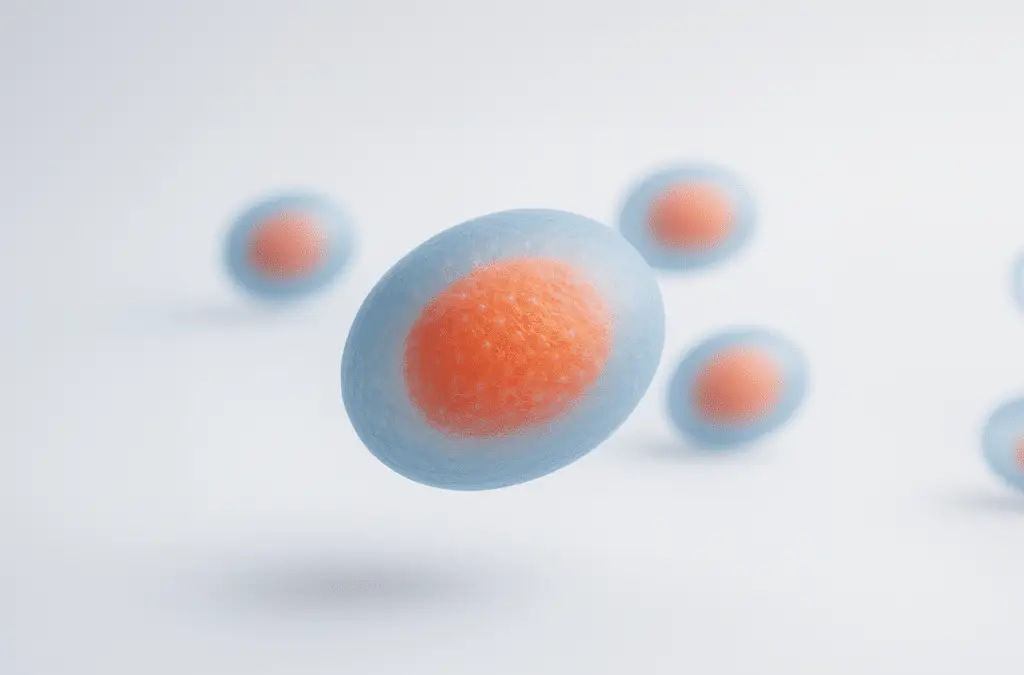
Chronic patellar tendinopathy can be regenerated without surgery through advanced cell therapy. ITRT leads this approach with clinical evidence, regulated manufacturing, and over 450 doses administered using Cultured Mesenchymal Stem Cells (CMC).
Pseudoarthrosis: symptoms, early diagnosis, and advanced therapies with cultured mesenchymal cells
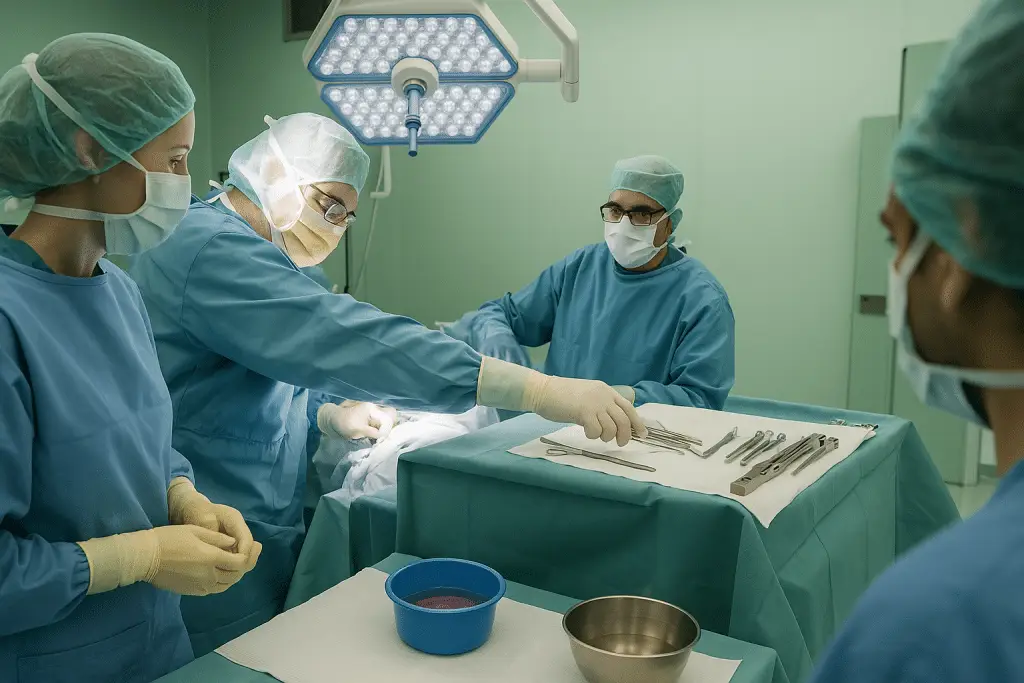
At ITRT, we address pseudoarthrosis with a rigorous clinical approach, combining expert diagnosis, scientific evidence, and advanced cellular therapies. We apply cultured mesenchymal cells (CMC) as an advanced therapy medicinal product, developed under GMP conditions and individually authorized by the AEMPS. Our therapeutic model ensures traceability, safety, and regulated clinical follow-up, focused on restoring bone function in non-healing fractures. Because each case requires precision, personalization, and real medicine.
Clinical trials with cultured mesenchymal cells: clinical results, scientific evidence, and new ITRT projects
ITRT’s clinical trials with cultured mesenchymal cells (CMC) have shown excellent results in the treatment of tissue injuries.
Truths and myths about mesenchymal cells in tendon regeneration

Scientific and regulatory information on the treatment of tendinopathies with advanced cell therapy products.