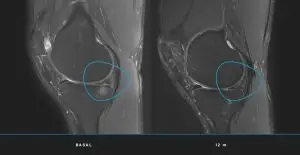

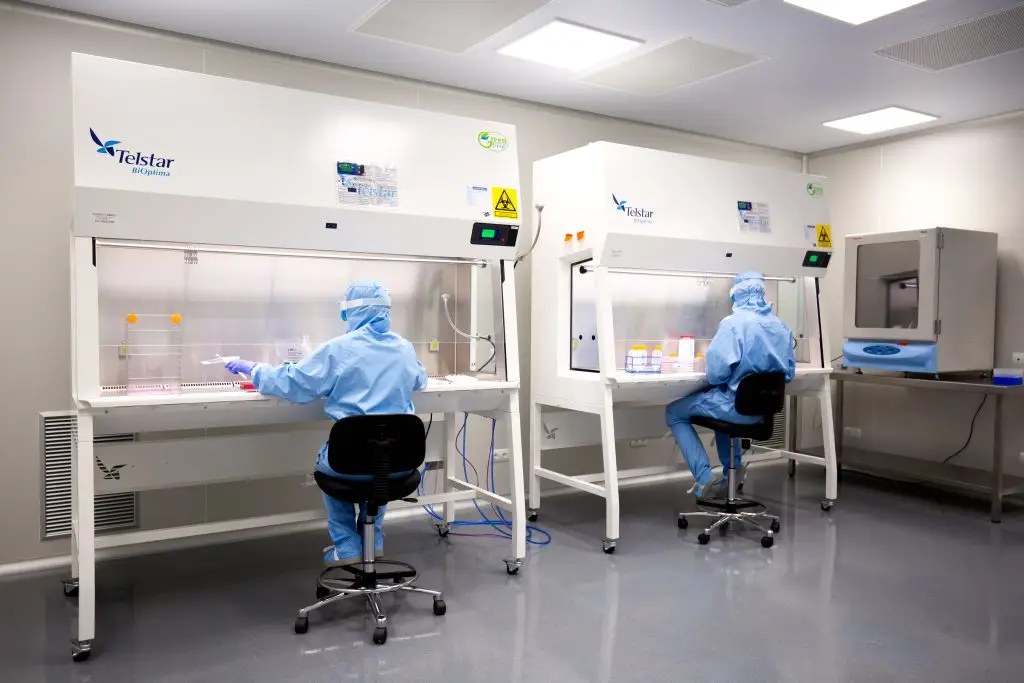
In the European Union, preparations with cells that have been cultured or substantially manipulated are regulated as advanced therapy medicinal products under Regulation (EC) No 1394/2007. They can only be administered lawfully with an authorisation: a marketing authorisation, which for these medicines is granted centrally through the European Medicines Agency (EMA), an authorised clinical trial or, in Spain, an individual authorisation from the AEMPS, always with GMP manufacturing and a medical prescription. A product offered as “stem cells” outside this framework is not an authorised medicinal product.
Author: Dr Robert Soler, Medical Director of ITRT. Updated 12 October 2026.
See also: What are cultured mesenchymal cells (CMC)?
In the expanding field of cellular medicine, not all treatments using human cells meet legal requirements or possess the scientific evidence to be considered regenerative. EU legislation on advanced therapy medicinal products (Regulation (EC) No 1394/2007) and the Spanish Agency of Medicines and Medical Devices (AEMPS) set out what can be applied clinically and under what conditions.
Distinguishing between valid interventions and unauthorized practices is crucial for patient safety.
Cellular treatments: regulation and legal requirements
Cellular treatments refer to clinical interventions that use human cells for therapeutic purposes. However, this term only holds legal and medical validity when referring to products classified as advanced therapy medicinal products (ATMPs), expressly authorized by the AEMPS and developed in accordance with Regulation (EC) No 1394/2007 and the guidelines of the EMA.
The use of human cells outside this framework cannot be considered an authorized or regenerative treatment.
Valid cellular medicinal products include those developed by ITRT, formulated from cultured mesenchymal cells (CMC). These cells, obtained via bone marrow aspiration and cultured in a GMP cleanroom, constitute an advanced therapy medicinal product authorized based on a regulated development process with both preclinical and clinical evidence. Animal model studies and authorized clinical trials have provided the scientific basis evaluated by the AEMPS.
In practice, an advanced cell therapy medicinal product with evidence of structural regeneration meets these conditions:
- Manufactured in an authorized clean room, compliant with Good Manufacturing Practice (GMP), ensuring cellular purity, viability, and safety in each batch.
- Defined cell dose for each indication, with phenotypic, functional and microbiological characterisation.
- Individual authorisation from the AEMPS for each patient when administered outside a clinical trial.
- Evidence from authorised clinical trials, with results published in peer-reviewed journals.
- Clinical and imaging follow-up of safety and of the structural evolution of the tissue.
Without these conditions, there is no basis for attributing a regenerative effect to a cell-based preparation or for presenting it as an advanced cell therapy medicinal product.
What does the SoHO Regulation cover, and what does it not?
Regulation (EU) 2024/1938 (SoHO) governs the quality and safety of blood, tissues and cells from donation and collection until their release to the manufacturer. It replaces Directives 2002/98/EC and 2004/23/EC and will apply from 7 August 2027. It does not classify treatments or turn a preparation into a medicinal product: that boundary is set by Regulation (EC) No 1394/2007, when cells are substantially manipulated (for example, by culturing them) or used for a function different from the one they have in the body.
1. Advanced therapy medicinal products
This category includes substantially manipulated cell products, such as those developed via ex vivo cell culture with phenotypic and functional characterization.
To be considered ATMPs, they must meet the following criteria:
- In Spain, use authorised by the AEMPS: within an authorised clinical trial or through an individual authorisation for each patient.
- Authorised clinical trials evaluating their safety and effect, including structural regeneration demonstrated by imaging.
- Manufacturing in clean rooms under GMP, with quality control procedures.
- Structured clinical follow-up, both functional and anatomical.
2. Preparations that are not advanced therapy medicinal products
This category includes practices that may use human cells but do not meet clinical or regulatory criteria to be considered regenerative treatments or ATMPs, such as:
- Products not authorized as medicinal products by the AEMPS.
- Unregistered procedures with no clinical trials or scientific publications.
- Interventions with only symptomatic effects (e.g., anti-inflammatory, analgesic), without structural regeneration.
Common examples include stromal vascular fraction (SVF), exosomes, secretomes or cell concentrates processed within 24 hours. Although marketed as regenerative, they are not advanced cell therapy medicinal products and have no clinical trials demonstrating structural regeneration.
Other autologous preparations processed without culture have their own regime: the AEMPS considers some of them medicinal products for human use, with requirements different from those for advanced therapies.
A minimally manipulated preparation is also considered a medicinal product if it is used for a function different from the one those cells have in the body, and in that case it requires authorisation. Using such preparations outside a regulated framework may pose clinical, legal and financial risks to patients.
This classification protects patients from misleading claims and obligates healthcare providers to communicate clearly and factually about the nature, authorization, and scientific support of any intervention involving human cells.
How to identify clinics or professionals using unauthorized cellular treatments
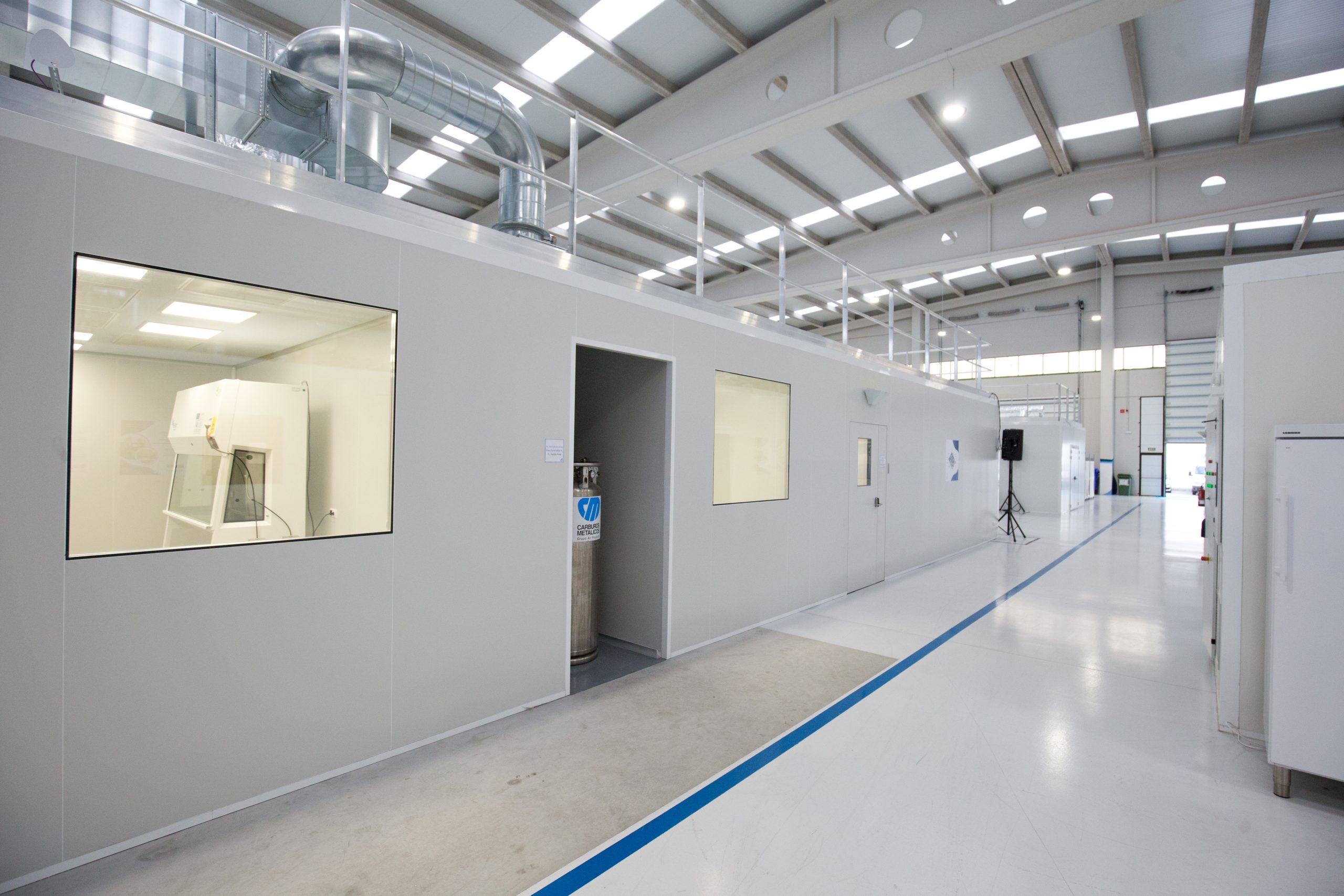
There is a growing presence of private clinics, pain units, aesthetic centers, and sports medicine facilities offering unregulated cellular procedures. These often:
- Use non-authorized products (e.g., SVF, exosomes, non-cultured cell concentrates).
- Advertise “regenerative therapy” without legal backing.
- Lack cleanroom production or cellular quality control.
- Operate without individualized authorization from the AEMPS.
Where a preparation is considered a medicinal product under the law, administering it without authorisation violates current legislation and exposes patients to medical, legal and financial risks.
Warning signs of an unregulated treatment
- Unauthorized commercial use of regulated terms, such as:
- Stem cells (used without specification or evidence).
- Regenerative therapy or regenerative medicine not linked to an AEMPS-approved ATMP.
- Biological treatment, natural product, biocellular therapy, or advanced therapy without legal approval or published evidence.
Note: what matters is not the name given to the treatment, but whether there is an authorised medicinal product, manufactured in a GMP cleanroom and backed by clinical trials.
- Absolute or exaggerated promises such as: “definitive cure”, “guaranteed recovery”, or “no surgery, immediate results”.
- Patient testimonials used as promotional tools without clinical context or transparency about individual response.
- Direct advertising to patients with calls to action like “book your appointment”, “get your life back”, or “start your treatment today”.
- Lack of verifiable scientific information, such as:
- Registered clinical trial on EudraCT or ClinicalTrials.gov.
- Authorization by the AEMPS.
- Manufacturing in GMP-compliant cleanrooms.
The ITRT case: safety, evidence, and regulatory compliance in cellular medicine
The Institute for Tissue Regenerative Therapy (ITRT) has been developing advanced cell therapy medicinal products with cultured mesenchymal cells (CMC) since 2003, within the framework of the AEMPS and Regulation (EC) No 1394/2007.
ITRT’s medicines are based on cultured mesenchymal cells (CMC), produced in GMP cleanrooms, with full cellular characterization and individualized authorization. Application is performed in a hospital environment, with structured clinical follow-up. Outside clinical trials, each patient receives the medicine at Centro Médico Teknon with an individual authorisation from the AEMPS (Royal Decree 1015/2009 on the availability of medicines in special situations).
23 trials, 14 of them authorised clinical trials in patients
ITRT has developed or taken part in 23 trials. Of these, 14 are authorised clinical trials in patients, overseen by ethics committees. These studies have evaluated its cell-based medicines in indications such as:
- Knee osteoarthritis
- Patellar tendinopathy
- Lumbar disc disease
- Non-union of long bones
- Femoral head osteonecrosis
- Xerostomia
- Maxillary atrophy
Choosing safe and regulated cellular treatments
Only an advanced cell therapy medicinal product used within the AEMPS framework and backed by authorised clinical trials can legally present results of structural regeneration.
Compliance with the European regulatory framework protects patients and clearly distinguishes validated innovation from unauthorized practices.
Frequently asked questions on the legality of advanced cell therapy medicinal products
Is stem cell treatment legal and regulated in Europe?
It depends on what is administered and under which authorisation. If the cells have been cultured or substantially manipulated, they are an advanced therapy medicinal product and can only be administered with an authorisation: a marketing authorisation, an authorised clinical trial or a national authorisation such as the AEMPS individual authorisation in Spain. Offering this kind of preparation outside these routes is not permitted.
Which rules govern advanced therapy medicinal products?
At EU level, Regulation (EC) No 1394/2007 on advanced therapy medicinal products. All advanced therapy medicines that are marketed are authorised centrally through the EMA, while national authorities such as the Spanish Agency of Medicines and Medical Devices (AEMPS) authorise clinical trials and national uses in their territory.
Is an authorised clinical trial the same as an approved medicine?
No. Authorising a clinical trial allows a medicine to be studied under controlled conditions and ethics committee oversight. A marketing authorisation is a separate decision, taken when the accumulated evidence supports it. This is why it matters to distinguish between “clinical trial authorised by the AEMPS”, “individual authorisation” and “marketed medicine”.
How can a patient check whether an advanced cell therapy medicinal product is authorised?
By asking who manufactures the preparation and in which facilities, which authorisation covers its administration and in which clinical trial it has been studied, with its registration number in EudraCT, CTIS or ClinicalTrials.gov. If in doubt, the national medicines agency can be contacted directly.
Sources
- European Medicines Agency. Advanced therapy medicinal products: overview.
- Spanish Agency of Medicines and Medical Devices (AEMPS). Terapias avanzadas (updated 11 November 2025).
- Regulation (EC) No 1394/2007 of the European Parliament and of the Council on advanced therapy medicinal products (EUR-Lex).
- Regulation (EU) 2024/1938 of the European Parliament and of the Council on standards of quality and safety for substances of human origin intended for human application (EUR-Lex).
- Royal Decree 1015/2009 of 19 June regulating the availability of medicines in special situations (BOE-A-2009-12002).
- Spanish Agency of Medicines and Medical Devices (AEMPS). Use of autologous plasma and its fractions as a medicinal product for human use: Resolution and Report of 23 May 2013 (AEMPS).
Mandatory disclaimer:
Advanced therapy medicinal products using cultured mesenchymal cells (CMC) are subject to medical prescription and require individualized authorization by the Spanish Agency of Medicines and Medical Devices (AEMPS). The information provided here is for educational purposes only and does not replace medical consultation or professional healthcare advice.