

How treatment with cultured mesenchymal cells works at ITRT
Discuss your caseAn exclusive clinical and pharmaceutical process with cultured mesenchymal stem cells
Every treatment with cultured mesenchymal cells (CMC) at ITRT follows an exclusive clinical and pharmaceutical process, developed over more than two decades of clinical research.
This is not an injection or a one-off procedure, but the manufacture of an advanced cell therapy medicinal product that brings together four verifiable guarantees: individual authorization from the AEMPS (the Spanish Agency for Medicines and Medical Devices) for each patient, manufacturing in a clean room under GMP standards, the backing of clinical trials authorized and published in scientific journals, such as the patellar tendinopathy trial with structural regeneration documented by magnetic resonance imaging (Orthopaedic Journal of Sports Medicine, 2023), and more than twenty years of clinical experience.
What are cultured mesenchymal cells?
And why culturing makes the difference
Mesenchymal cells are cells naturally present in bone marrow, with the capacity to take part in the repair of tissues such as tendon, intervertebral disc and cartilage, among others.
In a bone marrow aspirate these cells are present in a very low proportion. Isolating and culturing them in the laboratory makes it possible to obtain a defined, characterized dose subjected to quality control in every batch. That is the difference between an advanced cell therapy medicinal product and a procedure applied without prior culture.
Where it is manufactured and where it is administered
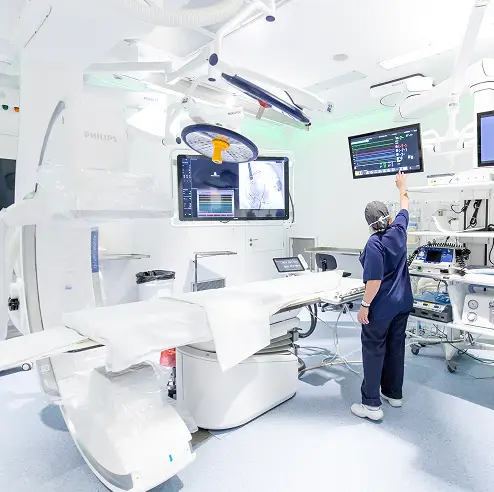
Manufacturing takes place in a cell production laboratory authorized by the AEMPS, in a clean room under GMP (Good Manufacturing Practice) standards. Administration is carried out in the operating room at Centro Médico Teknon in Barcelona.
Each medicinal product is manufactured individually, with specific AEMPS authorization for the patient it is intended for and full traceability from bone marrow collection through to administration.
Autologous cells, allogeneic cells and cryopreservation
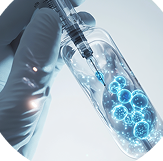
The medicinal product may be manufactured with autologous cells (obtained from the patient's own bone marrow) or with allogeneic cells (from a selected compatible donor). The choice between the two is determined during individual treatment planning.
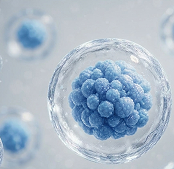
In both the autologous and the allogeneic route, the cells can be kept cryopreserved as the patient's own cell bank. This material retains its capacity to grow and multiply: it can be thawed and cultured again to manufacture a new medicinal product in the future, without repeating bone marrow collection. Each dose is manufactured for its administration, since this is a living-cell medicinal product.
Our exclusive procedure
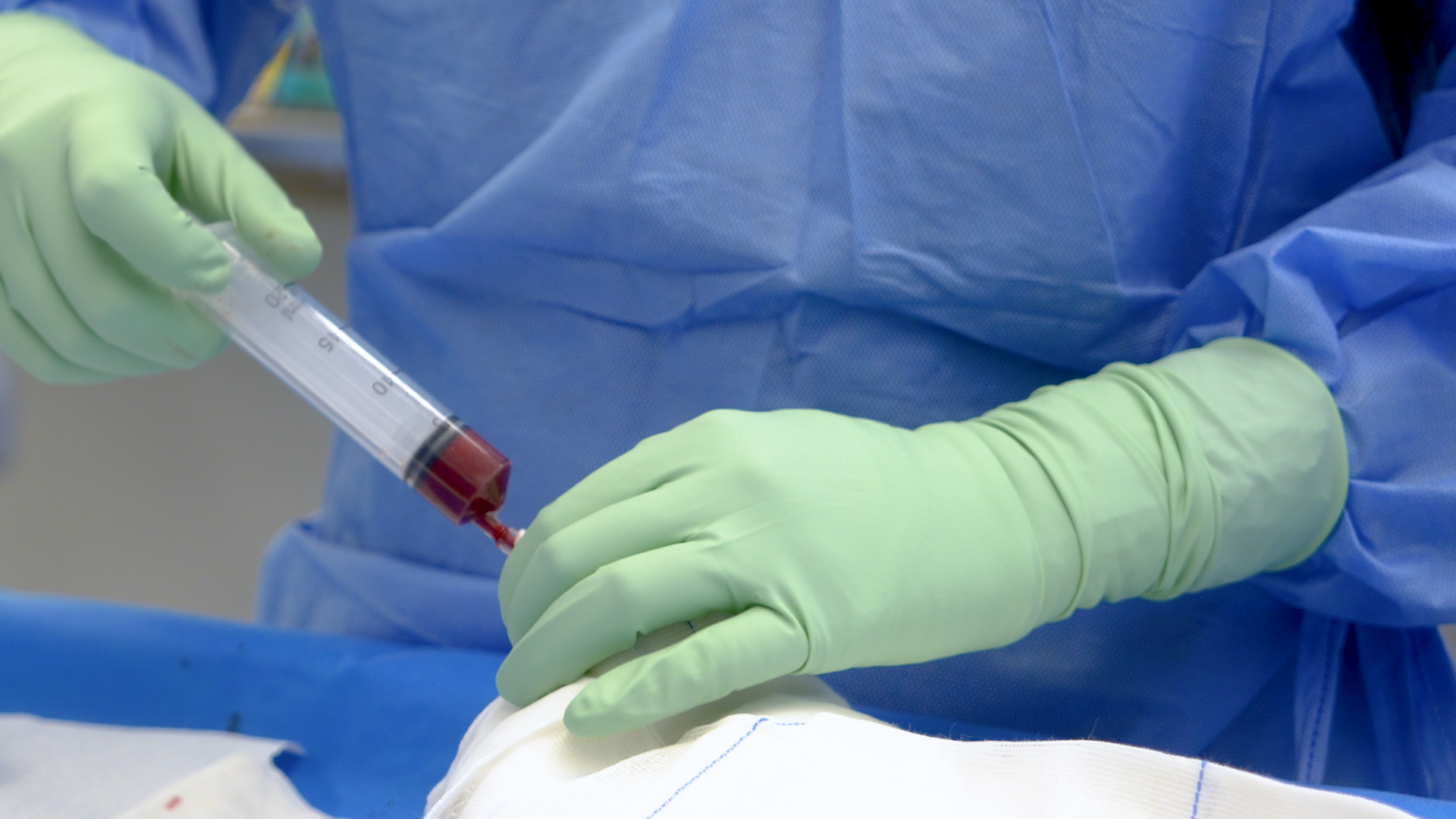
Collection of cells from bone marrow
The process begins with bone marrow aspiration, performed in the operating room under sedation and in sterile conditions. The aspirate naturally contains the cells from which the medicinal product will be manufactured.
The procedure is performed on an outpatient basis and does not require hospital admission.
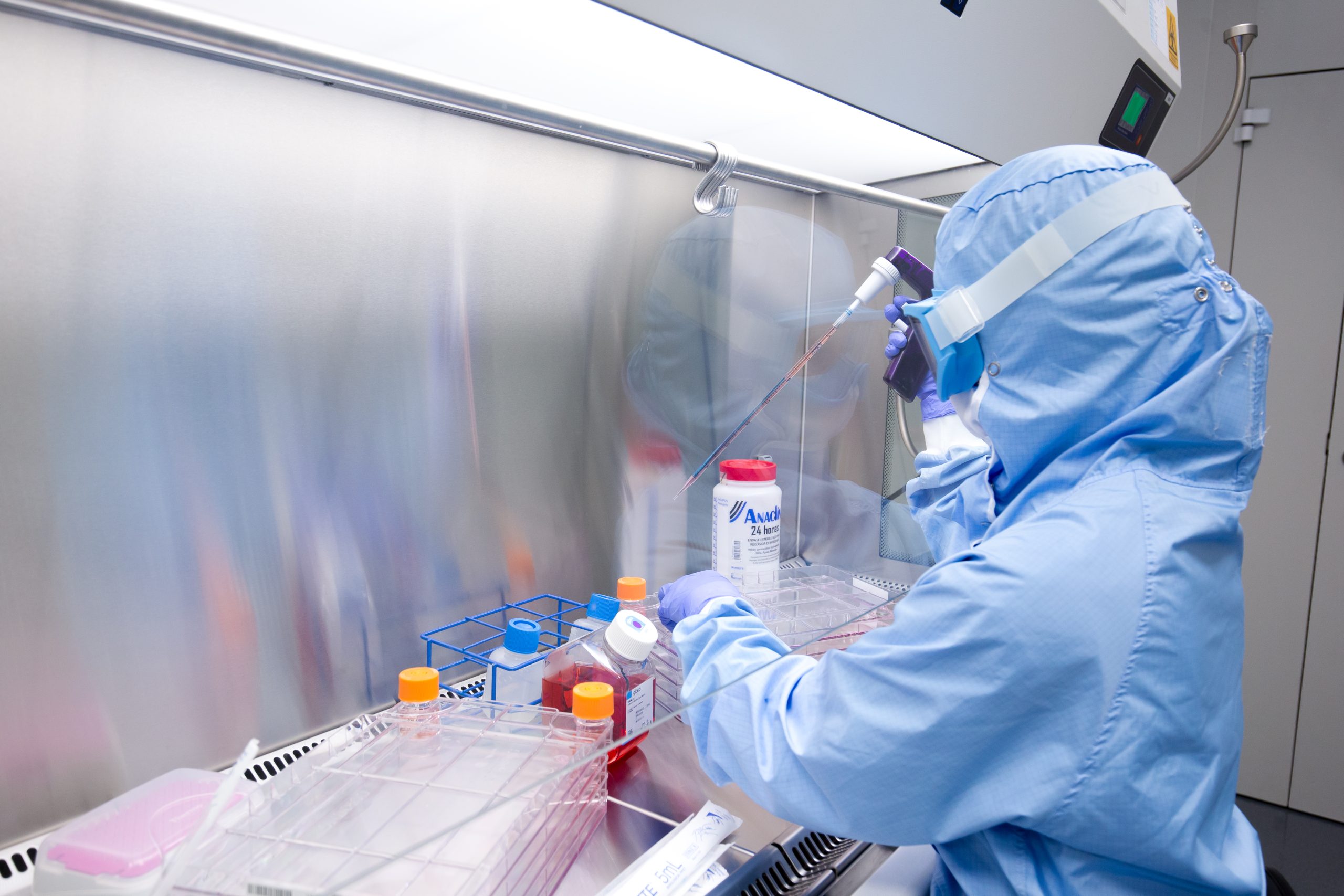
Clean room culture and quality control
The cells are isolated and expanded in culture in a clean room under GMP standards. At the end of the process, the medicinal product undergoes the established pharmaceutical quality controls. Only once it passes them is it certified and released.
The result is an advanced cell therapy medicinal product, with individual AEMPS authorization and full traceability from bone marrow collection through to clinical administration.
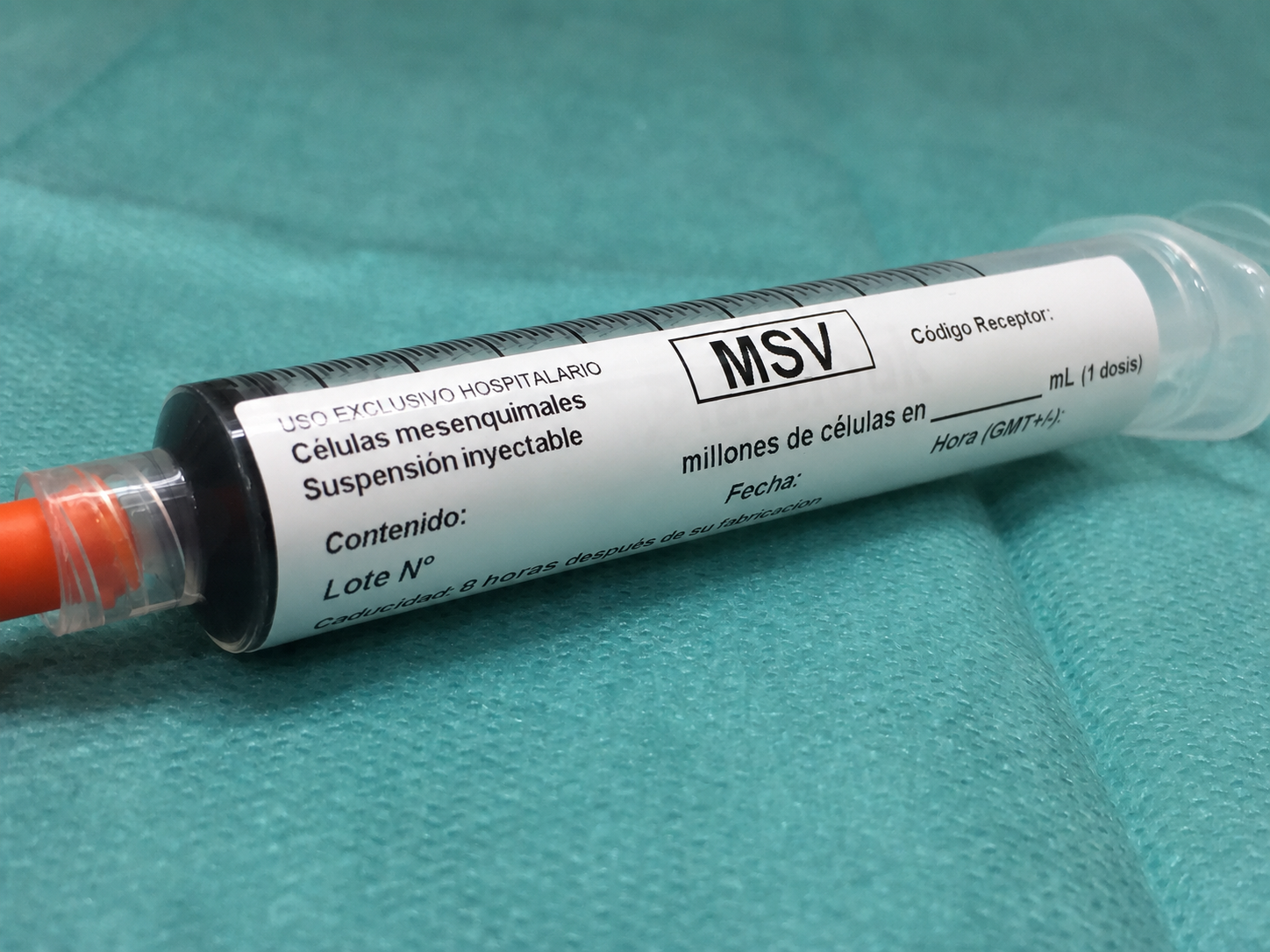
Conditioning and transport of the medicinal product to Centro Médico Teknon
Once released, the medicinal product is conditioned and transported to the center under controlled storage conditions until it is administered. As it is a dose of living cells manufactured for each patient, it is handled with full traceability.
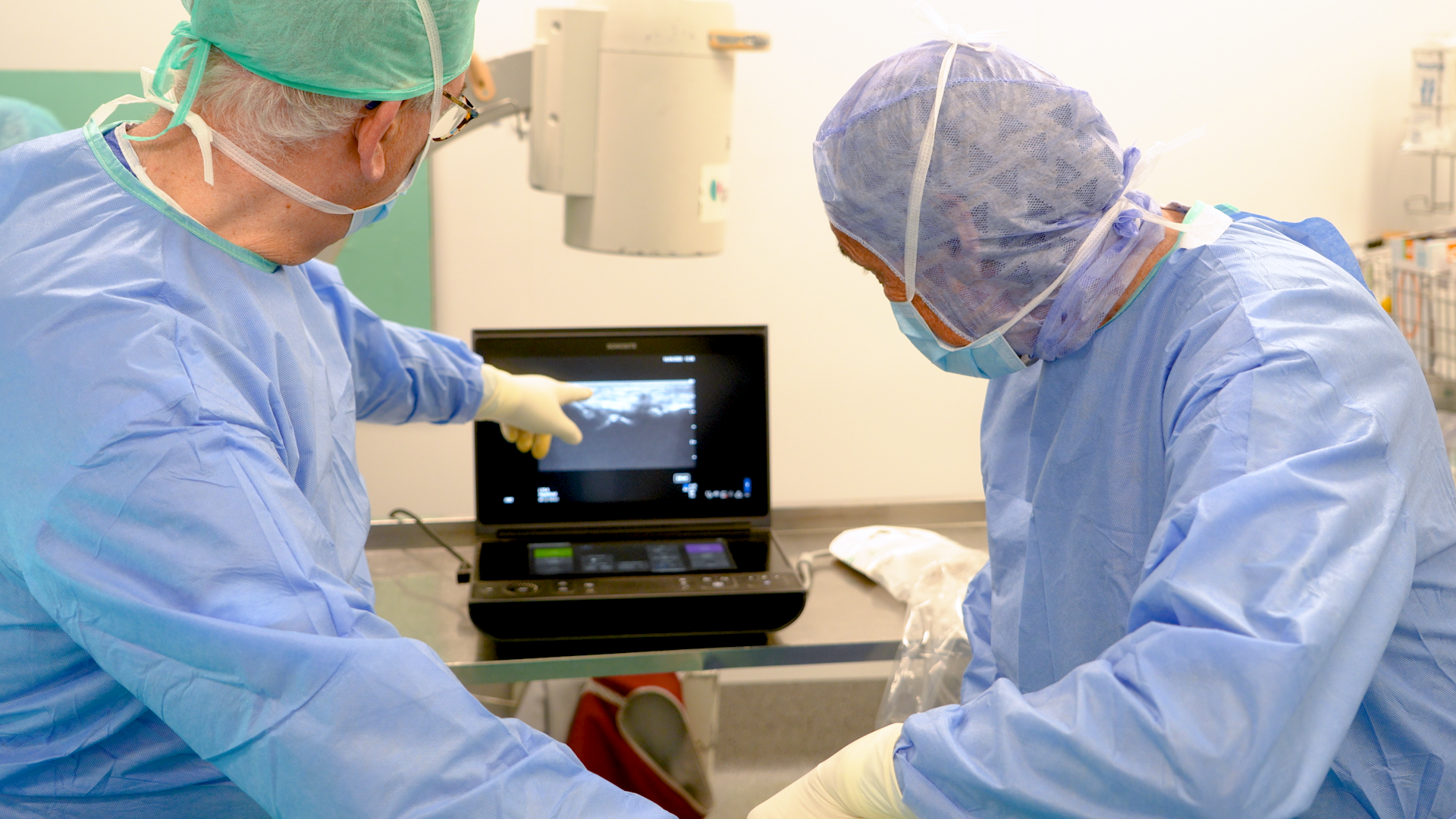
Administration in the operating room: an outpatient procedure, with no hospital admission
The ITRT medical team receives the medicinal product in the operating room at Centro Médico Teknon and proceeds with ultrasound-guided administration under aseptic conditions and medical supervision. The procedure is performed on an outpatient basis, with sedation and same-day discharge, and its duration depends on individual treatment planning. It does not require hospital admission.
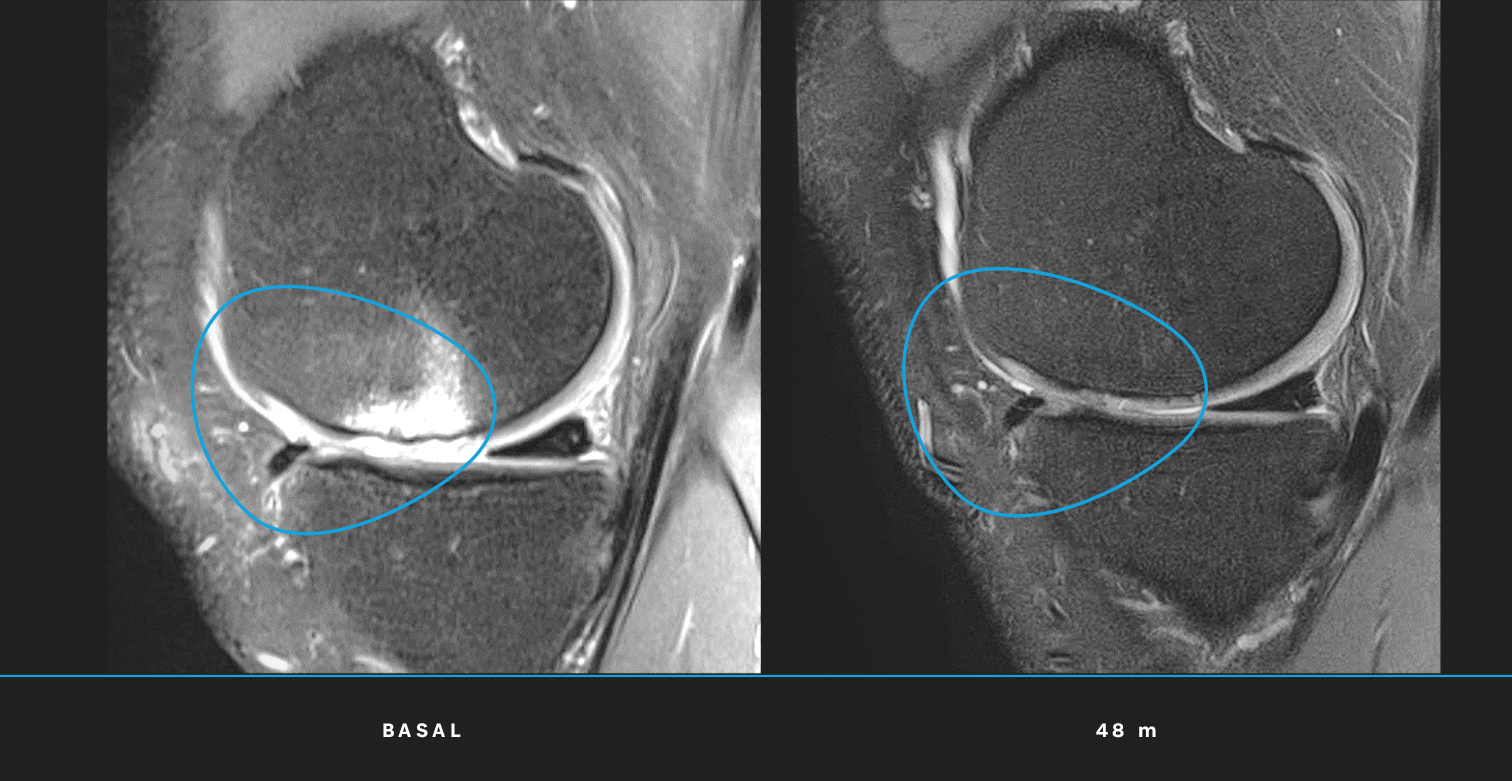
Clinical and imaging follow-up after administration of the medicinal product
After the medicinal product is administered, a scheduled clinical follow-up begins that includes monitoring with magnetic resonance imaging (MRI) and functional assessment. This follow-up makes it possible to objectively document the structural evolution of the treated tissue over time. ITRT keeps its patients under active follow-up for more than 10 years, documenting the long-term evolution of every case treated.
Treatments with cultured mesenchymal stem cells:
What is authorized as a medicinal product and what is not
Under European regulations, any treatment that uses human cells which have been manipulated or are intended for a function other than their original one is legally classified as an advanced cell therapy medicinal product. As such, it must be manufactured under GMP conditions, must have been evaluated in authorized clinical trials, and requires individual per-patient authorization issued by the AEMPS.
The difference does not lie in using cells, but in the framework that supports their use. An advanced cell therapy medicinal product is manufactured under pharmaceutical control, is backed by authorized clinical trials and holds individual AEMPS authorization. Procedures applied outside that framework are not considered medicinal products and do not offer the same guarantees of quality, safety and efficacy.

Before agreeing to any cell-based procedure

Request the individual AEMPS authorization corresponding to the treatment

Check that the product is an advanced cell therapy medicinal product manufactured in a GMP clean room

Ask about the associated clinical trial, the traceability of the process and the planned clinical follow-up

Ask for imaging follow-up documentation (magnetic resonance imaging) showing the structural evolution of the tissue over time