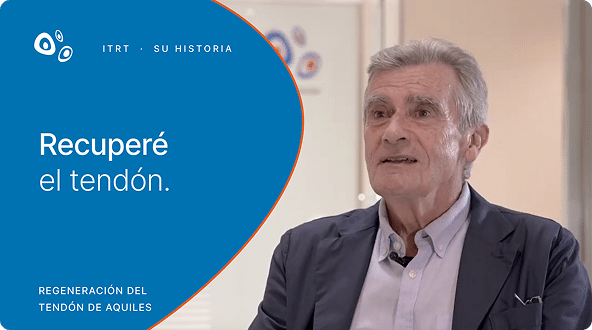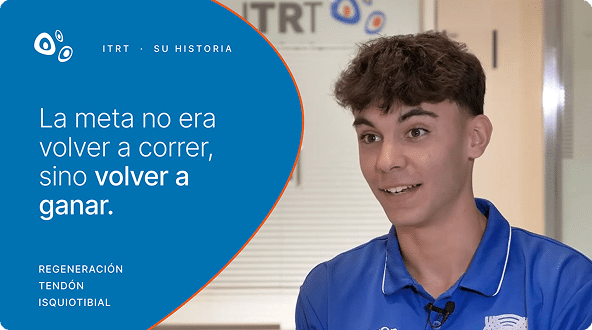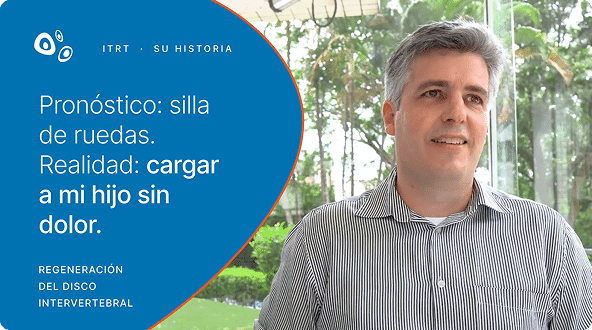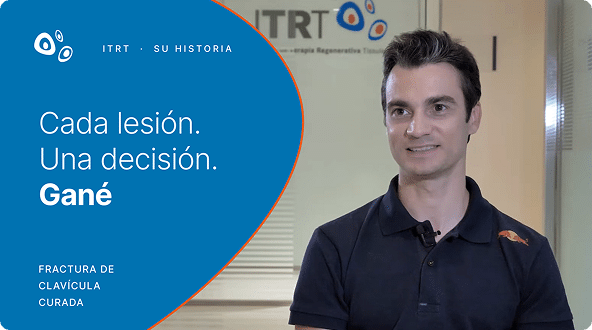
Yes, it does. The supraspinatus
tendon does
not regenerate
with cultured
mesenchymal
cells (CMC).
See clinical trials flecha BOOK APPOINTMENT
Incurable even
with surgery.
Cultured mesenchymal
cells (CMC).
No pain within three months.
Total regeneration.
See clinical trials flecha BOOK APPOINTMENT
with cultured
mesenchymal
cells (CMC).
Yes, it can. Everyone says
cartilage cannot heal.
See clinical trials flecha BOOK APPOINTMENT

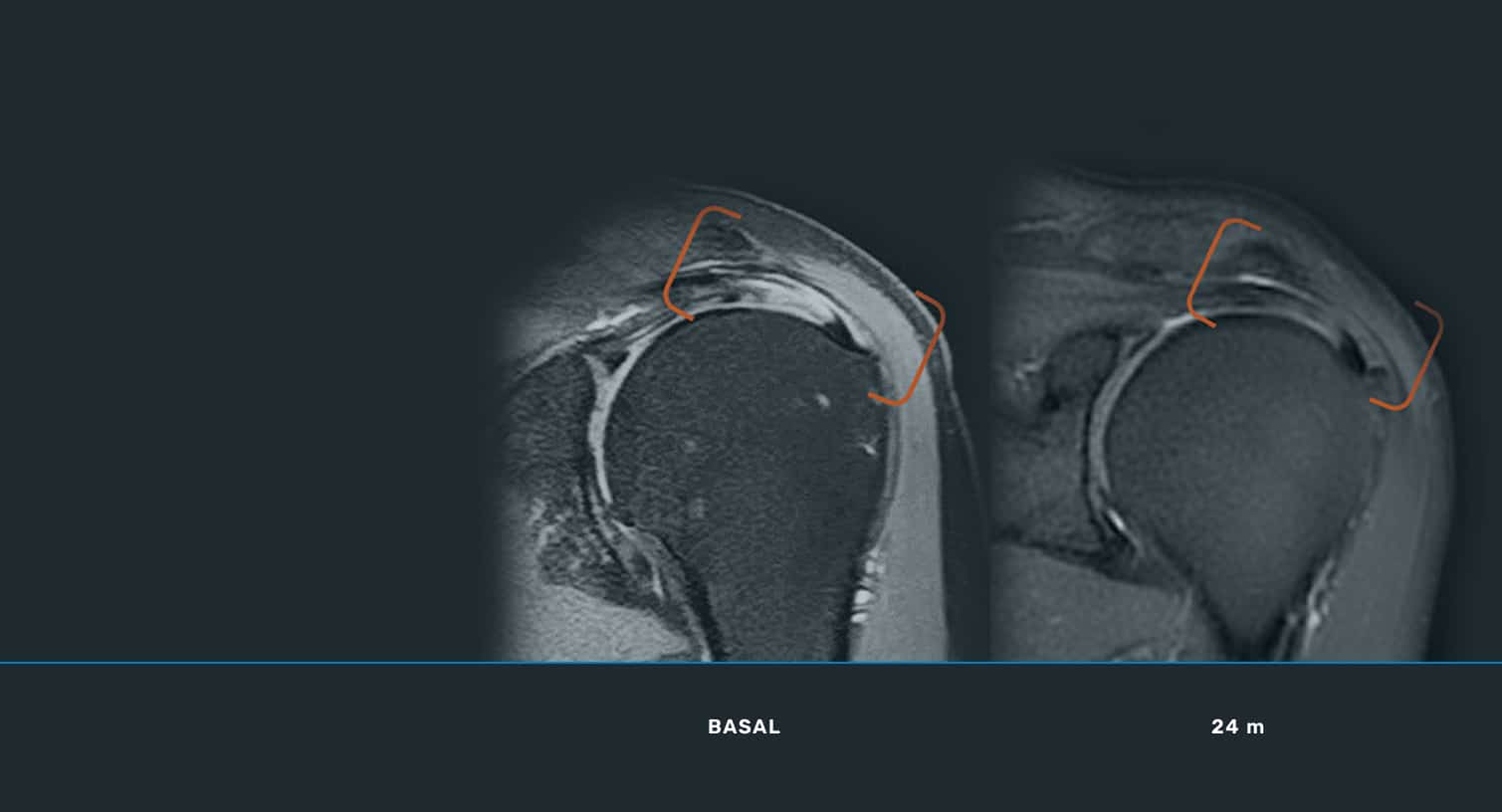
Yes, it does. BASAL The supraspinatus
tendon does not
regenerate.
with cultured
mesenchymal
cells (CMC).
24 m See clinical trials flecha BOOK APPOINTMENT
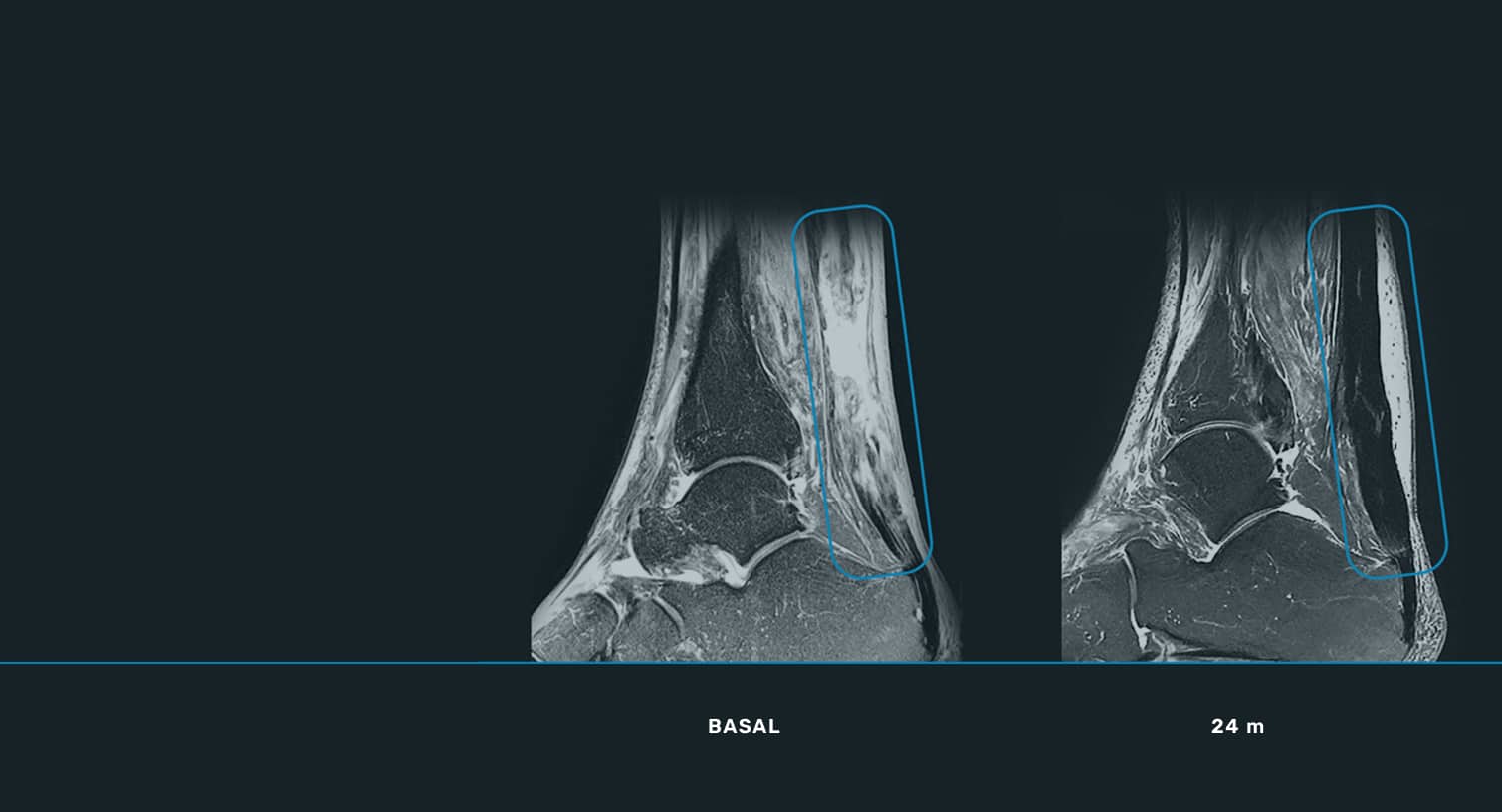
Incurable even
with surgery.

BASAL Cultured mesenchymal
cells (CMC).
No pain within three months.
Total regeneration.
24 m See clinical trials flecha BOOK APPOINTMENT
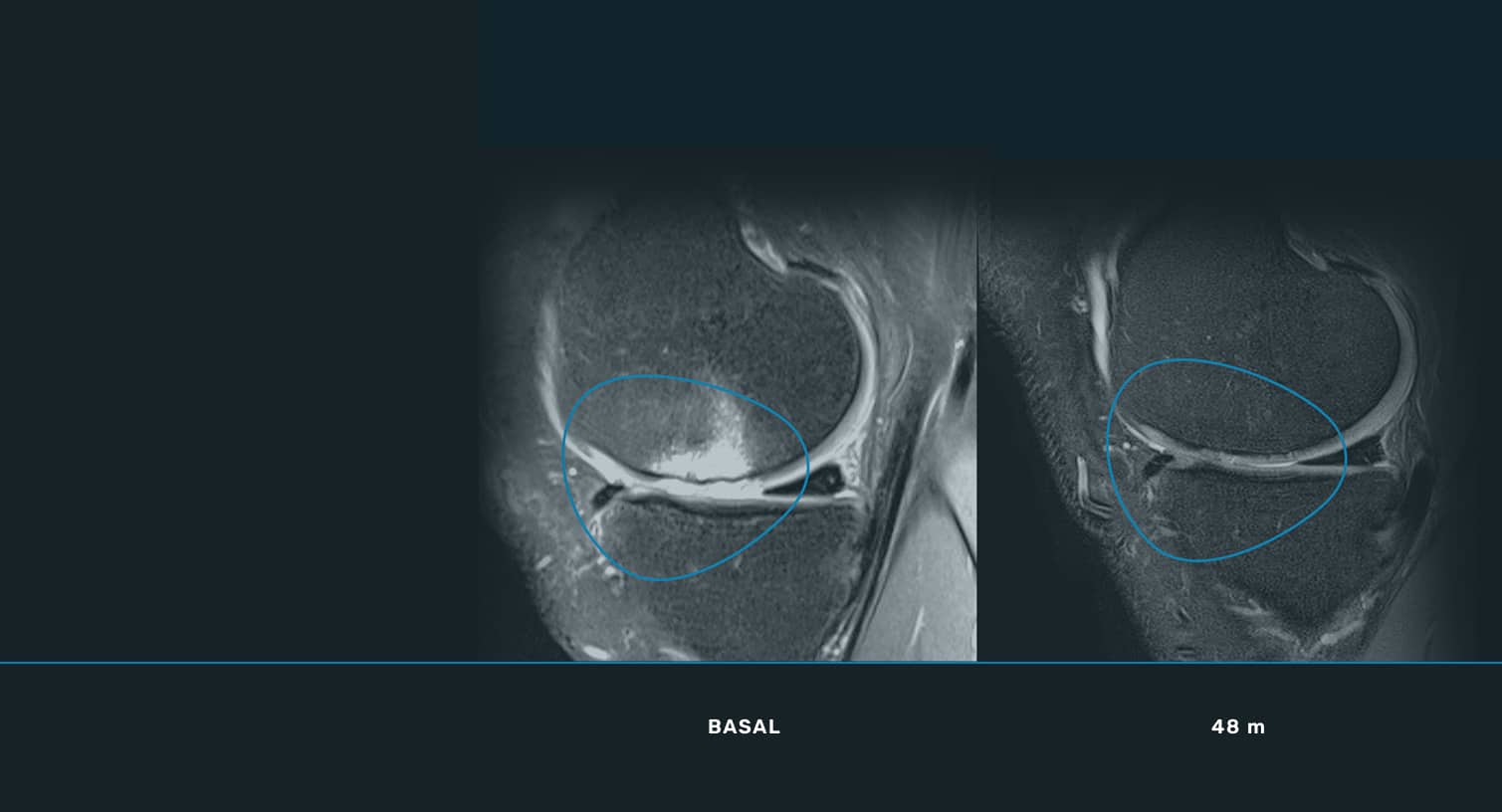
Yes, it can. BASAL Everyone says
cartilage
cannot heal
48 m See clinical trials flecha BOOK APPOINTMENT with cultured
mesenchymal
cells (CMC).

Surgery repairs; cultured mesenchymal cells regenerate.

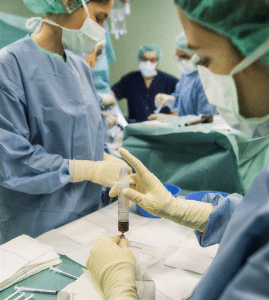
At ITRT, in some cases we combine surgery with cell-based therapies to improve outcomes.

home 1
Rectangle 121

What is required to carry out a treatment with an advanced therapy medicinal product?

Through an authorized clinical trial, in accordance with current legislation. The European SoHO (Substances of Human Origin) regulation establishes that conducting a clinical trial is mandatory in order to develop an advanced therapy medicinal product.

At ITRT, we have demonstrated the feasibility and safety of our therapies through clinical trials regulated and authorized by the Spanish Agency of Medicines and Medical Devices (AEMPS). Once the clinical trial has been completed, the AEMPS authorizes the use of the medicinal product in specific patients, allowing us to offer personalized treatments with proven clinical efficacy and regenerative capacity.
Treatments at ITRT

tendi

Tendinopathies

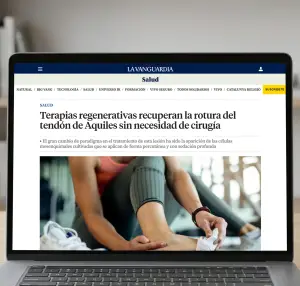
We have demonstrated in clinical trials the ability to regenerate and heal partial and complete tendon tears through outpatient ultrasound-guided infiltration.

See treatments flechaa

carti

Cartilage injuries

Regeneration of damaged cartilage and improvement of joint function. In many cases, it is a medical alternative to preserve the joint and avoid prosthetic replacement.


See treatments flechaa

disco

Lumbar and cervical disc disease

A minimally invasive treatment that promotes intervertebral disc regeneration, relieving pain and improving spinal mobility.

See treatments flechaa

Our results

1

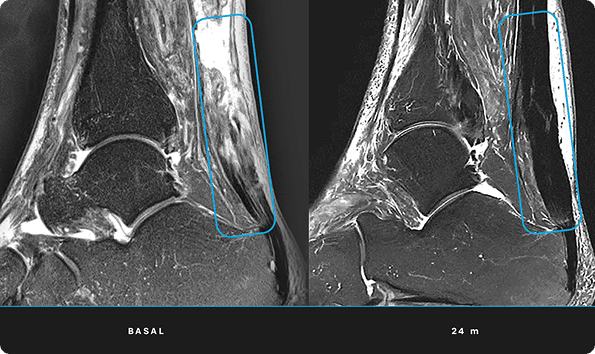
Incurable even with surgery.

Cultured mesenchymal cells (CMC). No pain within three months. Total regeneration.

2 result nueva 1

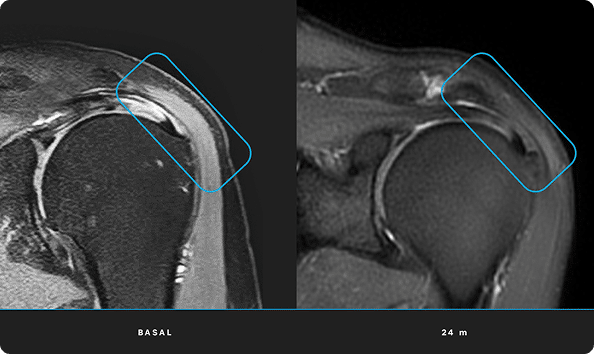
The supraspinatus tendon does not regenerate.

Yes, it does—with cultured mesenchymal cells (CMC).

3

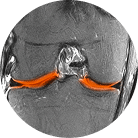
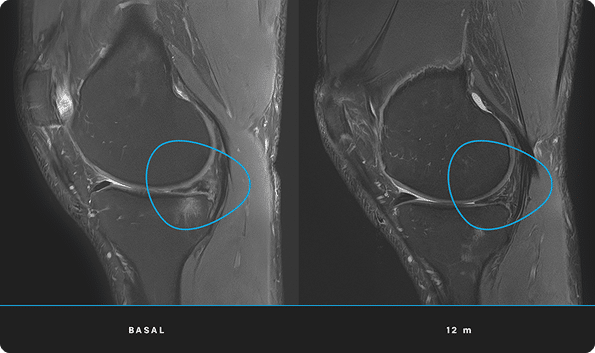
Biology can regenerate the meniscus, without suturing.

The posterior horn of the medial meniscus, sutured twice, regenerates with intrameniscal injection of cultured mesenchymal cells (CMC).

4

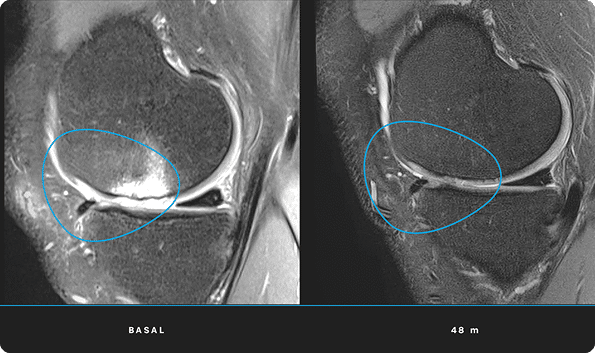
Everyone says cartilage cannot heal.

Yes, it can—with cultured mesenchymal cells (CMC).

5

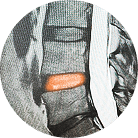
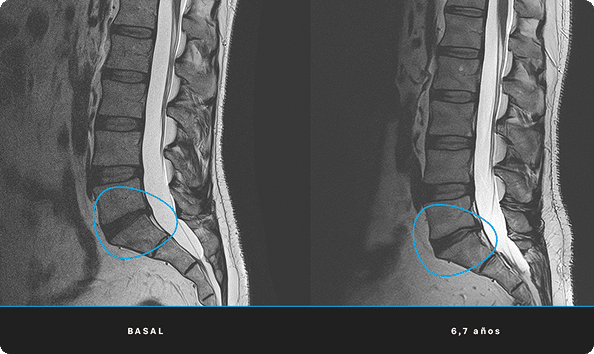
Images after 7 years of disc application.

Healing of low back pain and disc regeneration.

Featured news

Rectangle 165

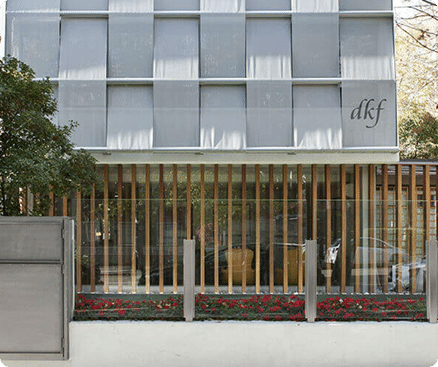
ITRT now also in Madrid

Starting September 22, we will be seeing patients at Clínica DKF, in the exclusive and central neighborhood of El Viso.

A reference medical center, with advanced technology and specialized care.

Types of cells used

from the same patient

from another patient

autologous or allogeneic

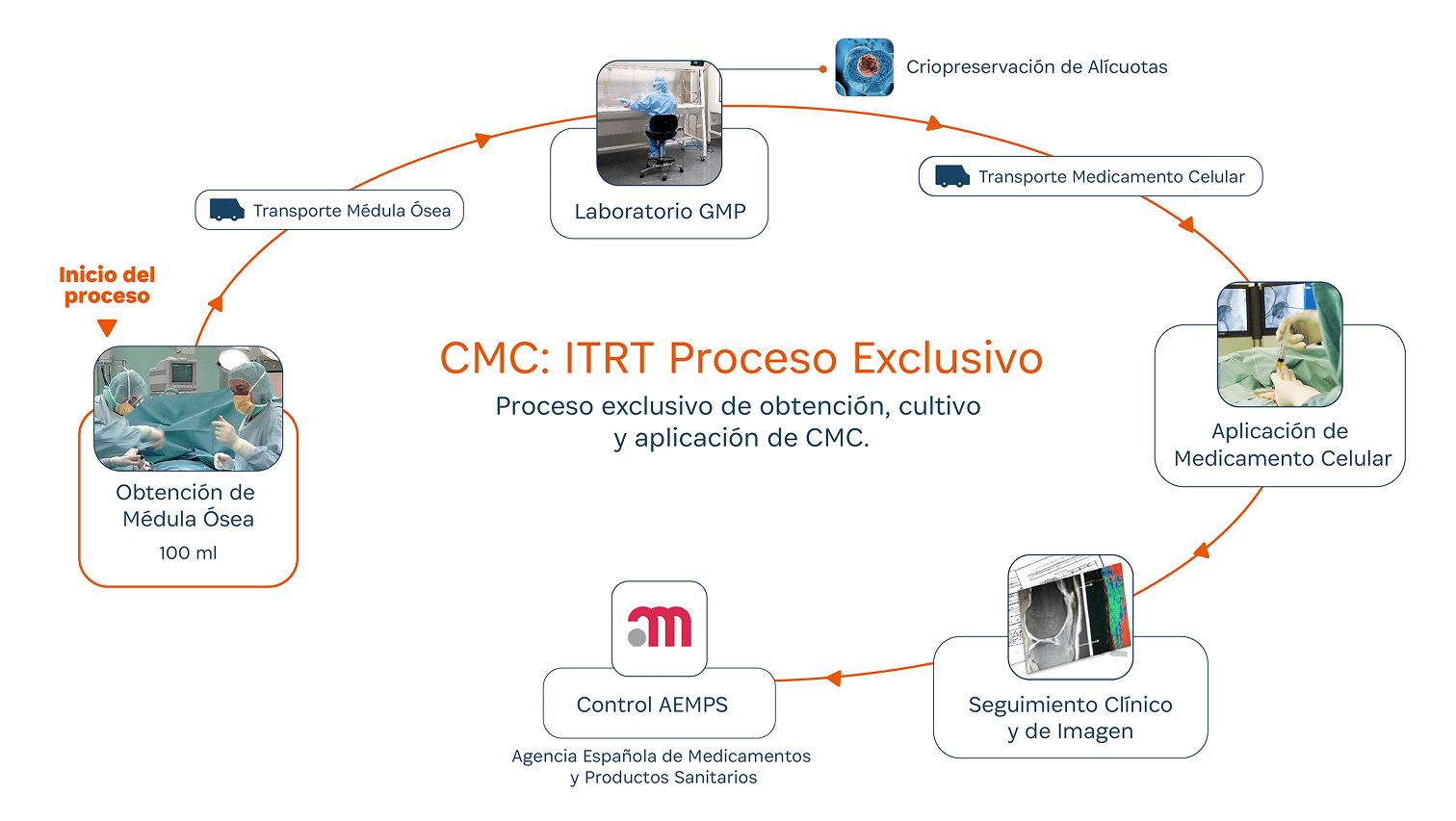
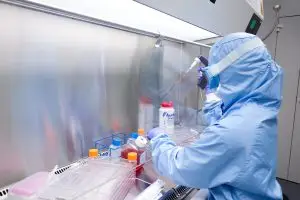
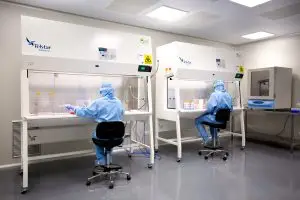
To carry out the treatment, a proprietary process is followed, specifically designed for this new medicine.

v2 CAST proceso itrt 11 1
proceso itrt vertical
itrt1

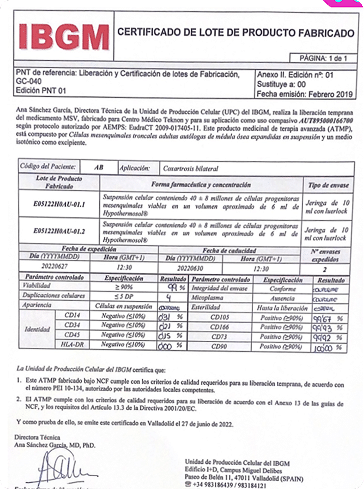
Advanced therapy medicinal product with pharmaceutical certification

Each ITRT advanced therapy medicinal product is delivered with its pharmaceutical certificate, which includes the dose, manufacturing and expiration dates, cell viability (percentage of living cells), and the tests proving 100% purity of cultured mesenchymal cells.

+1900

patients treated

3.250

doses successfully administered

What if cells from the patient are not used?

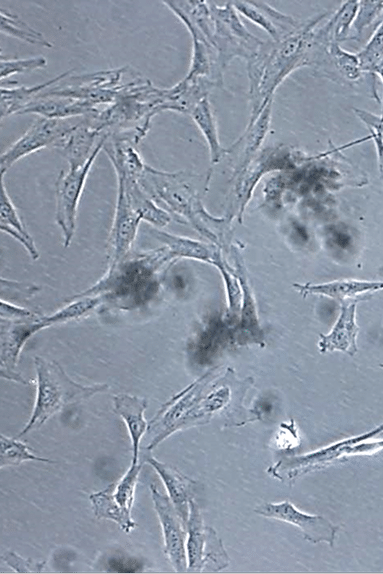
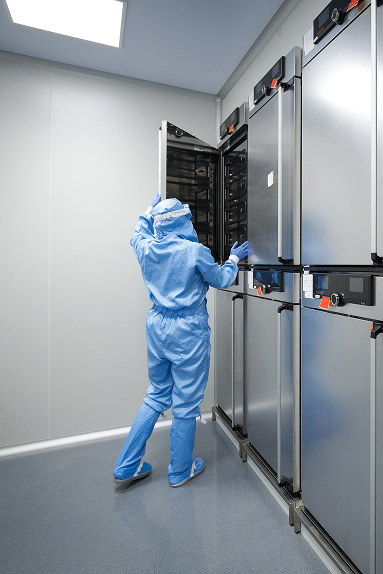
At ITRT, the process is designed for the use of autologous cells: they are extracted from the patient, cultured for 21 days, and specifically formulated for the corresponding indication.


Other options also exist, such as the use of allogeneic or cryopreserved cells.

1

Allogeneic cells (from another patient)

It is possible to use an ongoing culture from another patient and, in the final stage, formulate the medicinal product for administration to the recipient. It is also possible to thaw stored allogeneic cells, reactivate them in culture for a few days, and obtain the final product.

2

Cryopreserved cells (autologous or allogeneic)

Previously frozen cells are thawed, reactivated in culture for a few days, and prepared for treatment. In the case of autologous cells, this option makes it possible to treat other injuries of the same patient.

Blog & Press

Spreading the Truth

Regenerative medicine has sparked great interest but has also generated confusion.

Spreading the Truth is an initiative providing clear, rigorous, and accessible information, created to help patients make informed decisions.


If you have questions about treatments with so-called “stem cells” or about clinics that offer them, you can contact AEMPS directly: dbiologicos@aemps.es