

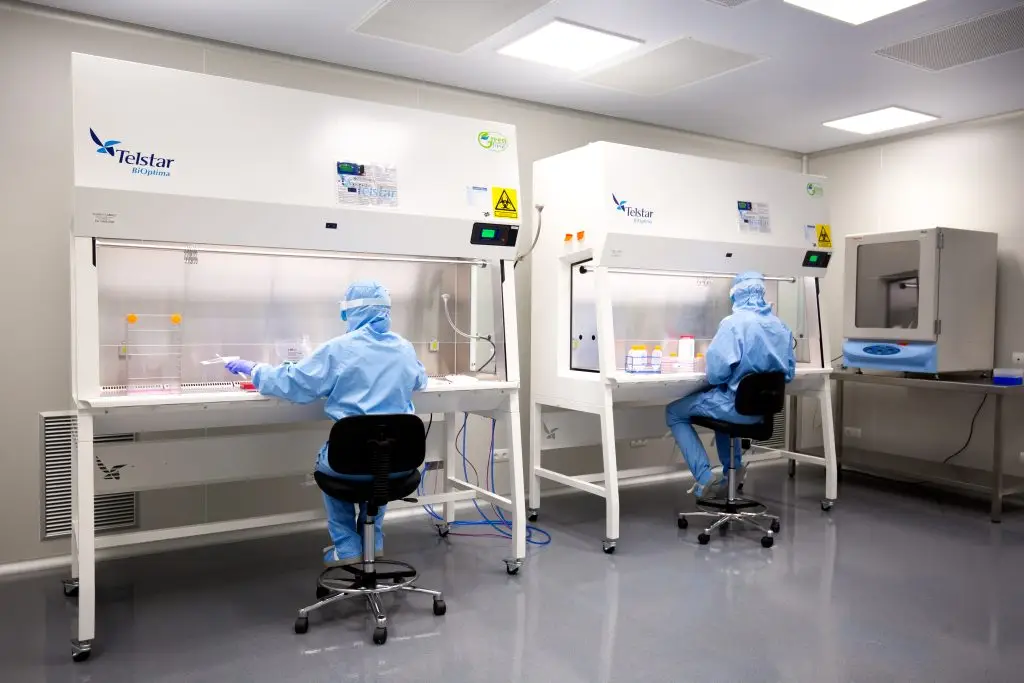
In the European Union, treatments using cells that have been cultured or substantially manipulated are regulated as advanced therapy medicinal products under Regulation (EC) No 1394/2007. They can only be administered lawfully with an authorisation: a marketing authorisation, which for these medicines is granted centrally through the European Medicines Agency (EMA), an authorised clinical trial or, in Spain, an individual authorisation from the AEMPS, always with GMP manufacturing and a medical prescription. A product offered as “stem cells” outside this framework is not an authorised medicinal product.
Author: Dr Robert Soler, Medical Director of ITRT. Updated 12 October 2026.
See also: What are cultured mesenchymal cells (CMC)?
In the expanding field of cellular medicine, not all treatments using human cells meet legal requirements or possess the scientific evidence to be considered regenerative. European regulation, through the SoHO Regulation, and the Spanish Agency of Medicines and Medical Devices (AEMPS) have established strict criteria defining what can be applied clinically and under what conditions.
Distinguishing between valid interventions and unauthorized practices is crucial for patient safety.
Cellular treatments: regulation and legal requirements
Cellular treatments refer to clinical interventions that use human cells for therapeutic purposes. However, this term only holds legal and medical validity when referring to products classified as advanced therapy medicinal products (ATMPs), expressly authorized by the AEMPS and developed according to the requirements of the SoHO Regulation and the guidelines of the EMA.
The use of human cells outside this framework cannot be considered an authorized or regenerative treatment.
Valid cellular medicinal products include those developed by ITRT, formulated from cultured mesenchymal cells (CMC). These cells, obtained via bone marrow aspiration and expanded over 21 days under strictly controlled conditions, constitute an advanced therapy medicinal product authorized based on a regulated development process with both preclinical and clinical evidence. Animal model studies and authorized clinical trials have provided the scientific basis evaluated by the AEMPS.
The regulation states that a product can only be considered a regenerative cellular treatment if it meets the following criteria:
- Manufactured in an authorized clean room, compliant with Good Manufacturing Practice (GMP), ensuring cellular purity, viability, and safety in each batch.
- Personalized cell dose, adjusted to the patient’s clinical characteristics and subjected to phenotypic, functional, and microbiological characterization.
- Individualized authorization by the AEMPS, granted after review by a Research Ethics Committee (CEIm) and in line with the Investigational Medicinal Product Dossier (PEI).
- Clinical evidence from controlled, double-blind clinical trials with results published in indexed scientific journals.
- Long-term clinical follow-up, functional and structural, from 12 to 60 months to verify safety and the stability of the regenerative effect.
These conditions are not optional: they are the only legal basis for claiming that a cellular treatment can regenerate tissue. Any procedure not meeting these criteria is outside the legal framework of advanced therapy medicinal products and cannot use the term regeneration or be considered valid under current legislation.
How does the SoHO Regulation classify cellular treatments?
The European SoHO Regulation (Regulation (EU) 2024/1938), published in 2024, is the most recent regulatory development on the quality and safety of substances of human origin used in medicine. It replaces previous directives (such as Directive 2004/23/EC), harmonizing criteria across the European Union. Although full implementation is scheduled for 2027, its provisions are already shaping regulatory frameworks in member states, including Spain.
The regulation introduces a key distinction: not all procedures using human cells qualify as regenerative treatments. Only products that undergo substantial manipulation and have clinical evidence of structural tissue regeneration may be classified as such.
1. Advanced therapy medicinal products
This category includes substantially manipulated cell products, such as those developed via ex vivo cell culture with phenotypic and functional characterization.
To be considered ATMPs, they must meet the following criteria:
- Authorization as a medicinal product by the AEMPS or EMA.
- Authorized clinical trials demonstrating structural regeneration (e.g., cartilage, tendon, disc, or bone).
- Manufacturing in clean rooms under GMP, with quality control procedures.
- Individualized authorization per patient.
- Structured clinical follow-up, both functional and anatomical.
2. Symptomatic procedures without regenerative value
This category includes practices that may use human cells but do not meet clinical or regulatory criteria to be considered regenerative treatments or ATMPs, such as:
- Products not authorized as medicinal products by the AEMPS.
- Unregistered procedures with no clinical trials or scientific publications.
- Interventions with only symptomatic effects (e.g., anti-inflammatory, analgesic), without structural regeneration.
Common examples include stromal vascular fraction (SVF), exosomes, secretomes, non-cultured platelet-rich plasma, or cell concentrates processed within 24 hours. Despite being marketed as biological or regenerative, these are not authorized by the AEMPS and cannot be classified as regenerative under SoHO.
Minimal manipulation or fast processing does not exempt products from regulatory approval if a regenerative claim is made. Their use outside a regulated framework may pose clinical, legal, and financial risks to patients.
This classification protects patients from misleading claims and obligates healthcare providers to communicate clearly and factually about the nature, authorization, and scientific support of any intervention involving human cells.
How to identify clinics or professionals using unauthorized cellular treatments

There is a growing presence of private clinics, pain units, aesthetic centers, and sports medicine facilities offering unregulated cellular procedures. These often:
- Use non-authorized products (e.g., SVF, exosomes, non-cultured cell concentrates).
- Advertise “regenerative therapy” without legal backing.
- Lack cleanroom production or cellular quality control.
- Operate without individualized authorization from the AEMPS.
These treatments are not authorized and violate current legislation, posing risks to patient safety, legality, and economic well-being.
Warning signs of an unregulated treatment
- Unauthorized commercial use of regulated terms, such as:
- Stem cells (used without specification or evidence).
- Regenerative therapy or regenerative medicine not linked to an AEMPS-approved ATMP.
- Biological treatment, natural product, biocellular therapy, or advanced therapy without legal approval or published evidence.
Note: These terms are only legitimate when referring to authorized and regulated medicines, as is the case with ITRT. Their use by centers lacking clinical trials, GMP manufacturing, or AEMPS authorization is not permitted under current legislation.
- Absolute or exaggerated promises such as: “definitive cure”, “guaranteed recovery”, or “no surgery, immediate results”.
- Patient testimonials used as promotional tools without clinical context or transparency about individual response.
- Direct advertising to patients with calls to action like “book your appointment”, “get your life back”, or “start your treatment today”.
- Lack of verifiable scientific information, such as:
- Registered clinical trial on EudraCT or ClinicalTrials.gov.
- Authorization by the AEMPS.
- Manufacturing in GMP-compliant cleanrooms.
For any concerns, patients can contact the Spanish Agency of Medicines and Medical Devices at: [email protected].
The ITRT case: safety, evidence, and regulatory compliance in cellular medicine
The Tissue Regenerative Therapy Institute (ITRT) is an international reference in the development of advanced therapy medicinal products. With over two decades of clinical activity, it operates under AEMPS regulation, aligned with the SoHO Regulation and EMA guidelines.
ITRT’s medicines are based on cultured mesenchymal cells (CMC), produced in GMP cleanrooms, with full cellular characterization and individualized authorization. Application is performed in a hospital environment, with structured clinical follow-up.
Over 20 clinical trials in structural pathologies
ITRT has conducted more than 20 authorized clinical trials, all registered and monitored by ethics committees and the AEMPS. These studies have confirmed the regenerative capacity of its cell-based medicines in conditions such as:
- Osteoarthritis (knee, hip, shoulder)
- Tendinopathies (patellar, Achilles, hamstring, supraspinatus)
- Lumbar and cervical disc disease
- Nonunion fractures (pseudoarthrosis)
- Femoral head osteonecrosis
- Severe xerostomia
- Maxillary atrophy
This regulated model, grounded in scientific evidence, positions ITRT as one of the most experienced centers globally in regenerative cellular medicine.
Choosing safe and regulated cellular treatments
Only advanced therapy medicinal products authorized by the AEMPS, such as those developed by ITRT, can legally and clinically claim the capacity to regenerate tissue.
Compliance with the SoHO Regulation and the European regulatory framework protects patients and clearly distinguishes validated innovation from unauthorized practices.
Frequently asked questions on the legality of cell-based treatments
Is stem cell treatment legal and regulated in Europe?
It depends on what is administered and under which authorisation. If the cells have been cultured or substantially manipulated, they are an advanced therapy medicinal product and can only be administered with an authorisation: a marketing authorisation, an authorised clinical trial or a national authorisation such as the AEMPS individual authorisation in Spain. Offering this kind of preparation outside these routes is not permitted.
Which rules govern advanced therapy medicinal products?
At EU level, Regulation (EC) No 1394/2007 on advanced therapy medicinal products. All advanced therapy medicines that are marketed are authorised centrally through the EMA, while national authorities such as the Spanish Agency of Medicines and Medical Devices (AEMPS) authorise clinical trials and national uses in their territory.
Is an authorised clinical trial the same as an approved medicine?
No. Authorising a clinical trial allows a medicine to be studied under controlled conditions and ethics committee oversight. A marketing authorisation is a separate decision, taken when the accumulated evidence supports it. This is why it matters to distinguish between “clinical trial authorised by the AEMPS”, “individual authorisation” and “marketed medicine”.
How can a patient check whether a cell-based treatment is authorised?
By asking who manufactures the preparation and in which facilities, which authorisation covers its administration and in which clinical trial it has been studied, with its registration number in EudraCT, CTIS or ClinicalTrials.gov. If in doubt, the national medicines agency can be contacted directly.
Sources
- European Medicines Agency. Advanced therapy medicinal products: overview.
- Spanish Agency of Medicines and Medical Devices (AEMPS). Terapias avanzadas (updated 11 November 2025).
- Regulation (EC) No 1394/2007 of the European Parliament and of the Council on advanced therapy medicinal products (EUR-Lex).
Mandatory disclaimer:
Advanced therapy medicinal products using cultured mesenchymal cells (CMC) are subject to medical prescription and require individualized authorization by the Spanish Agency of Medicines and Medical Devices (AEMPS). The information provided here is for educational purposes only and does not replace medical consultation or professional healthcare advice.